“The solution belongs to all of us. If CCF can help organize our community to solve big social problems and build strong partnerships that mature and grow, then we are succeeding in our role as Cambridge’s community foundation.”
“The solution belongs to all of us. If CCF can help organize our community to solve big social problems and build strong partnerships that mature and grow, then we are succeeding in our role as Cambridge’s community foundation.”
— Geeta Pradhan
President, Cambridge Community Foundation
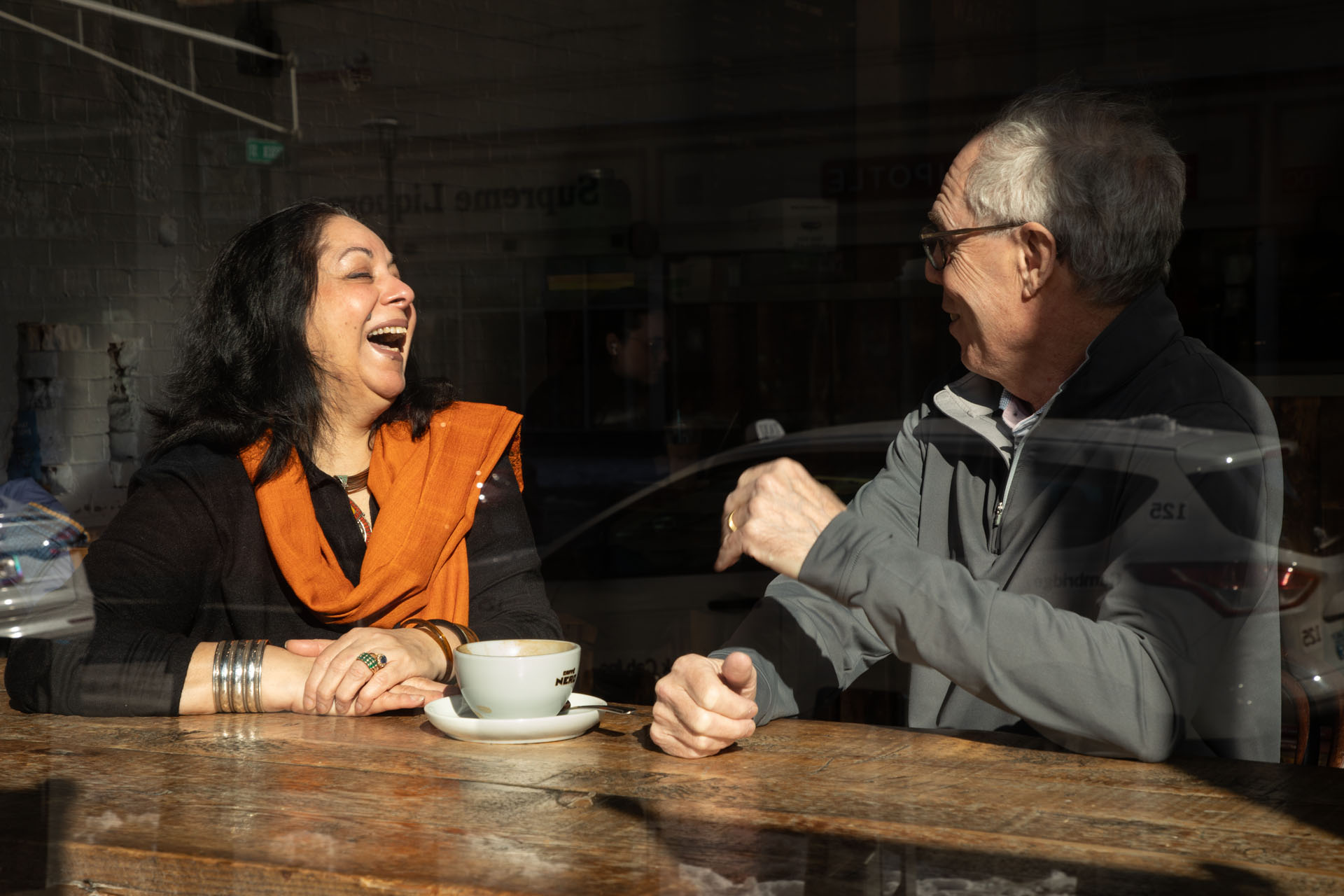
Dear Neighbors,
In 2025, when the world-at-large forced ripples throughout the Cambridge nonprofit community, and rattled the security of our more vulnerable neighbors, we did what we always do—and more. We supported 161 local nonprofit programs through our Community Fund, distributing a record $1.5 million in grants. Knowing we couldn’t meet the need on our own, we turned to our donors who co-invested with us, expanding Cambridge Community Foundation’s impact in the community. We responded to the food crisis through our deep partnerships. We joined innovative citizens to protect local news. We invested in nonprofits fostering a sense of belonging through arts and culture. And we tackled education equity in partnership with our schools.
This report shares just some of these stories. We offer them because they illustrate the core purpose of a community foundation: to address the unique local problems that other organizations cannot solve alone. Our responsibility as a civic leader gives us the clarity and confidence to take action when action is needed most. Our values – the right to dignity, equity and justice, collaboration, creativity and imagination – are also antidotes to fear and uncertainty.
We’re so thankful for our nonprofit partners, donors, individual problem solvers in our community, and our city government. They all joined us in meeting our city’s challenges with courage and conviction. They reminded us that when so much feels out of control, we can take inspiration from all the good – the vision, the hope, the possibility – that pulses through Cambridge.
We’ve entered 2026 armed with optimism. It’s reflected in our new corporate structure, the growth of our organization, and our bold response to the toughest issues that challenge our city.
We don’t expect things to get easier, but we know we have the values, the resources, the partnerships, and the heart to continue what we’re doing, with you by our side.
A special thanks to Cambridge-based photographer Mark Ostow, and his studio manager Lily Feinberg-Eddy, for capturing the joy, challenges, and perseverance that help define our community. In these images, you can see the spirit of a city making good together.
| GEETA PRADHAN PRESIDENT |
PHIL JOHNSON BOARD CHAIR |
What Civic Leadership Means to US
AS CAMBRIDGE’S COMMUNITY FOUNDATION, CCF exists to solve the city’s most pressing social problems, especially those that individual civic institutions cannot address alone. Through our deep local knowledge, grantmaking capacity, and convening power, we work to ensure that Cambridge is a city where all residents can thrive. As civic leaders, we:
IN THIS ANNUAL REPORT, we share examples of our civic leadership in action. You’ll read about how we champion innovative thinkers and lead research to educate and advance solutions across the city, and learn about the little-known ways we bolster the nonprofit sector beyond grantmaking. The stories in this report show our footprint in the community, the ripple effect thoughtful partnerships can have, and the magic that happens when Cambridge residents—from donors and community reviewers to neighbors who consistently turn up to help others—show their care for one another.
There has never been a more important moment for CCF to step up its efforts and do what community foundations are built to do. We’re incredibly grateful for the people whose generosity and commitment make it possible for us to be a resource the community can always call upon, a partner in developing new and innovative solutions, and an investor in positive change, today and for generations to come.
RESEARCH ACTIVATES SOLUTIONS
Speakers at the public release of the equity audit included (from left) THRIVE! CEO Omolara Fatiregun, Harvard professor of education Paul Reville, and Rahn Dorsey, former Boston chief of education.
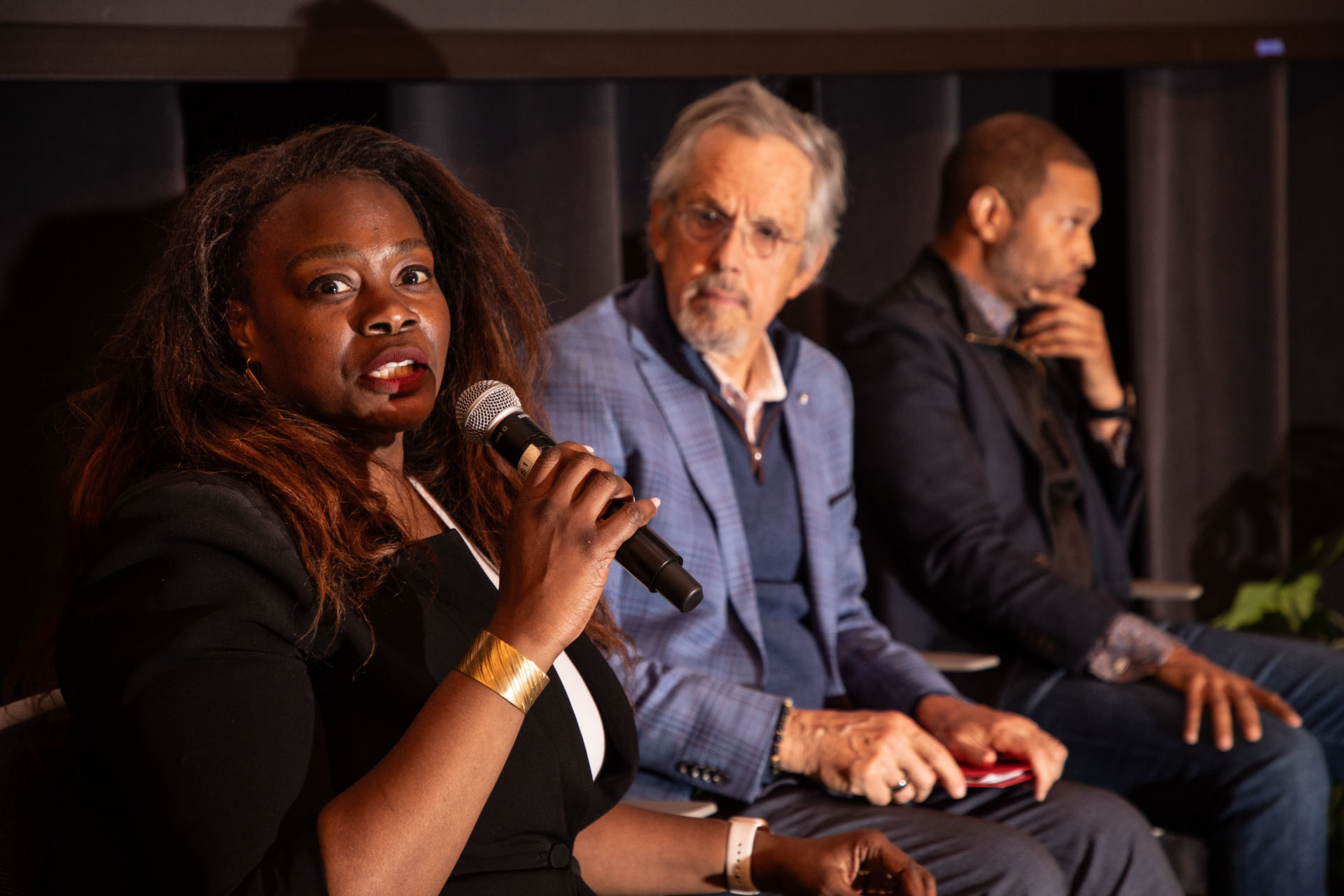
Speakers at the public release of the equity audit included (from left) THRIVE! CEO Omolara Fatiregun, Harvard professor of education Paul Reville, and Rahn Dorsey, former Boston chief of education.
RESEARCH ACTIVATES SOLUTIONS
Equity audit aims to improve schools
RESEARCH NOT ONLY HELPS us to understand a problem, but it can also be a powerful tool that brings the right people together to activate solutions. The recent Cambridge Public Schools (CPS) equity audit is a great example.
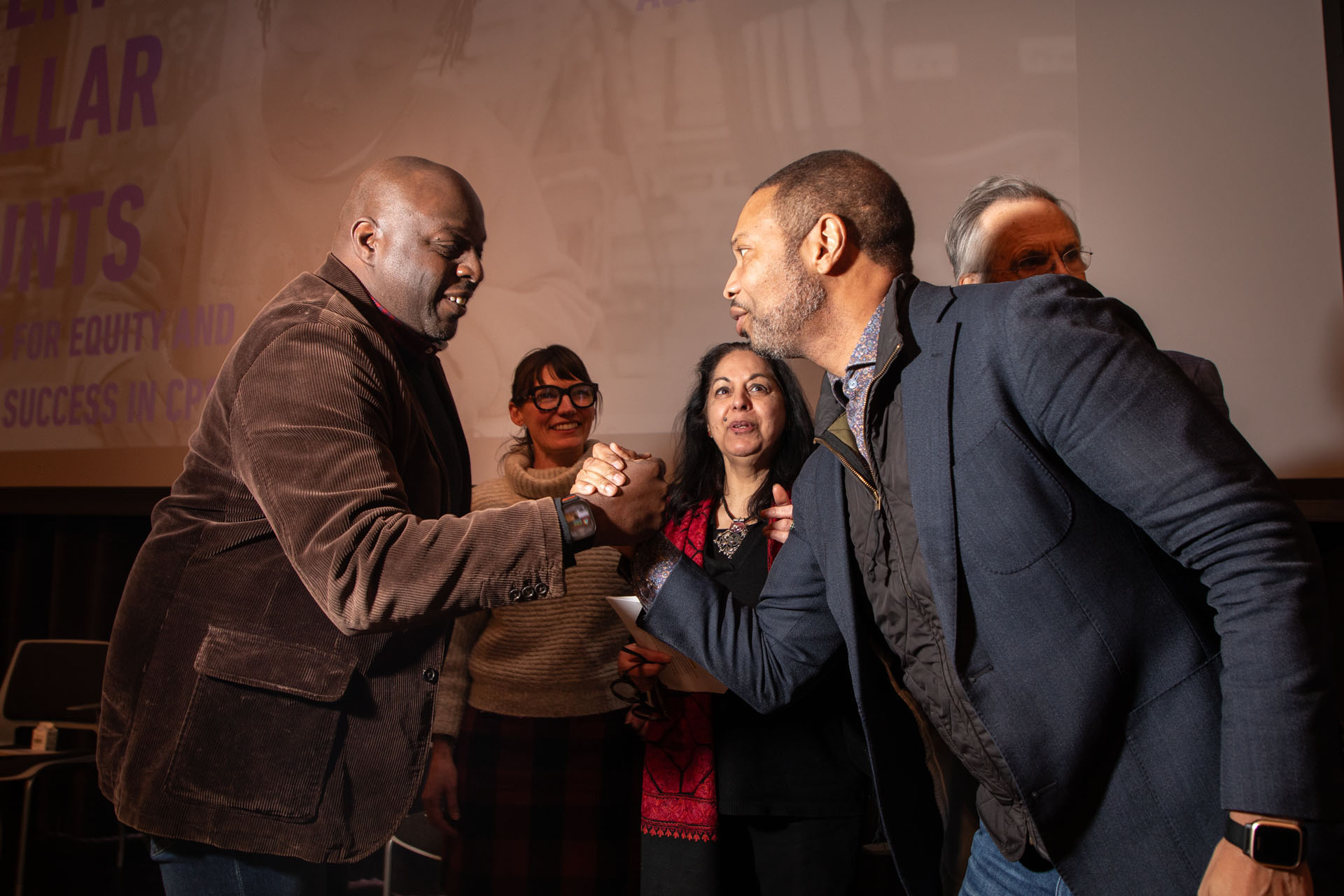
Tony Clark, co-president of My Brother’s Keeper Cambridge; Heidi Cook, principal of Baldwin School; Geeta Pradhan; Rahn Dorsey; and Paul Reville (left to right) before the panel discussion.
Working in partnership with CPS leadership, CCF commissioned a two-year study to analyze factors contributing to disparities in student outcomes and offer recommendations for closing them. We engaged THRIVE!, a social enterprise that uses technology to promote equity in government spending, to look into the problem. The resulting report, concluded in late 2025, found that CPS has considerable strengths—including highly skilled district- and school-level staff and educators, a robust budget and ample resources, and an established equity infrastructure and systemwide supports—but also systemic issues that allow the gaps to remain. The report offers a playbook for improvement.
“Public education is supposed to be the great equalizer, but to meet that promise we need to eliminate persistent disparities,” says CCF President Geeta Pradhan. “As this equity audit points out, we must sharpen our focus on students who are getting left behind, combat chronic absenteeism, and invest in our educators. I believe Cambridge can do this.”
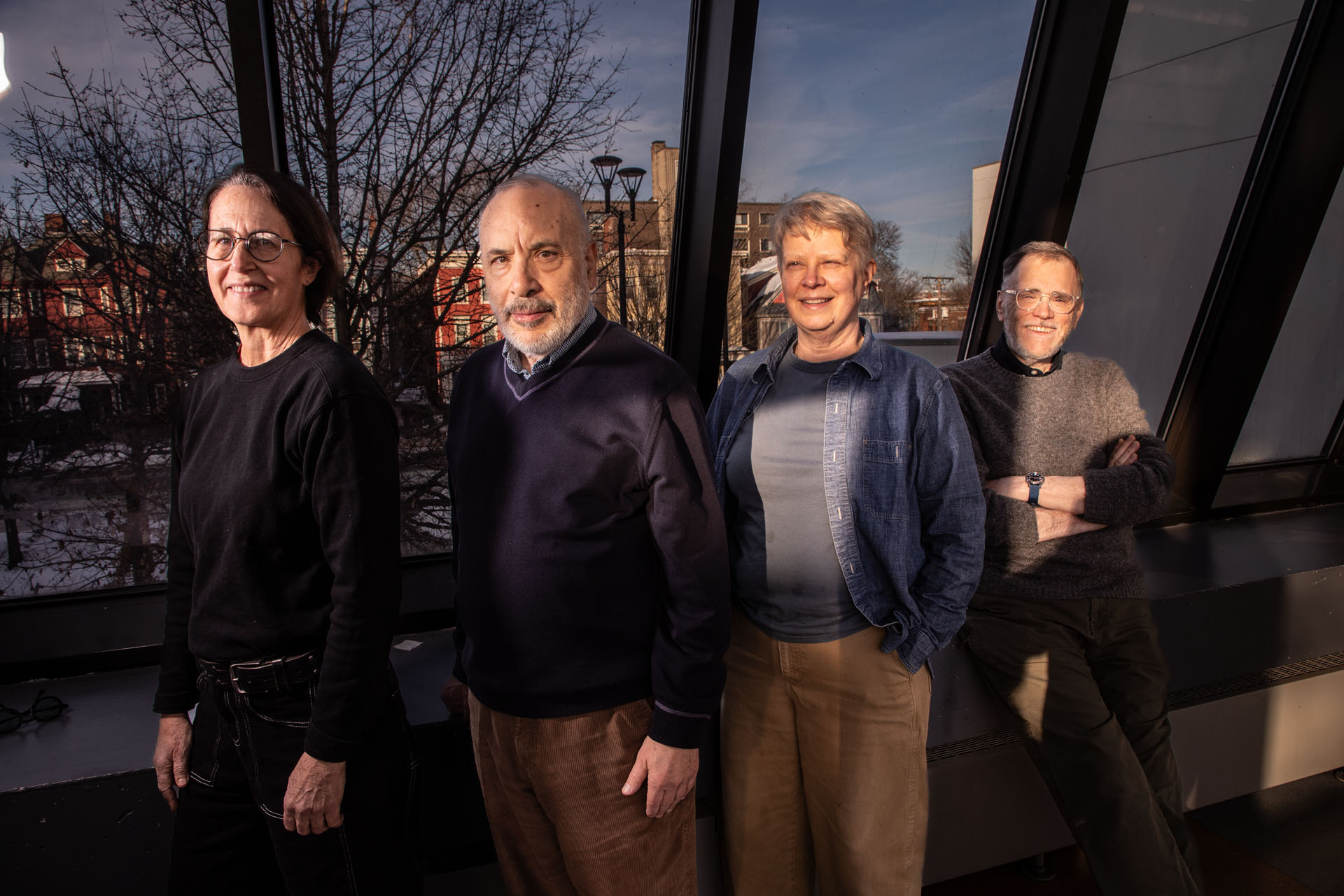
Scholarship supporters (from left) Susan Bernstein, Dan Raizen, Carol Sandstrom, and Chris Small at CRLS.
Spotlight on Philanthropy
Falcon Pride Scholarship
THROUGH THE FALCON PRIDE Scholarship, CCF and its donors make sure Cambridge Rindge and Latin School (CRLS) seniors have more resources to go to college and stay there. Founded in 2017 by three CRLS parents who saw their children’s classmates getting into college but then struggling with hidden costs like textbooks, the program awards 13 four-year scholarships of $10,000 annually, with funds going directly to students. For Carol Sandstrom, Chris Small, Susan Bernstein, and Dan Raizen—four Cambridge residents who support the fund—investing in local students is personal.
Scholarship supporters (from left) Susan Bernstein, Dan Raizen, Carol Sandstrom, and Chris Small at CRLS.
BUILDING PARTNERSHIPS THAT IMPROVE SYSTEMS
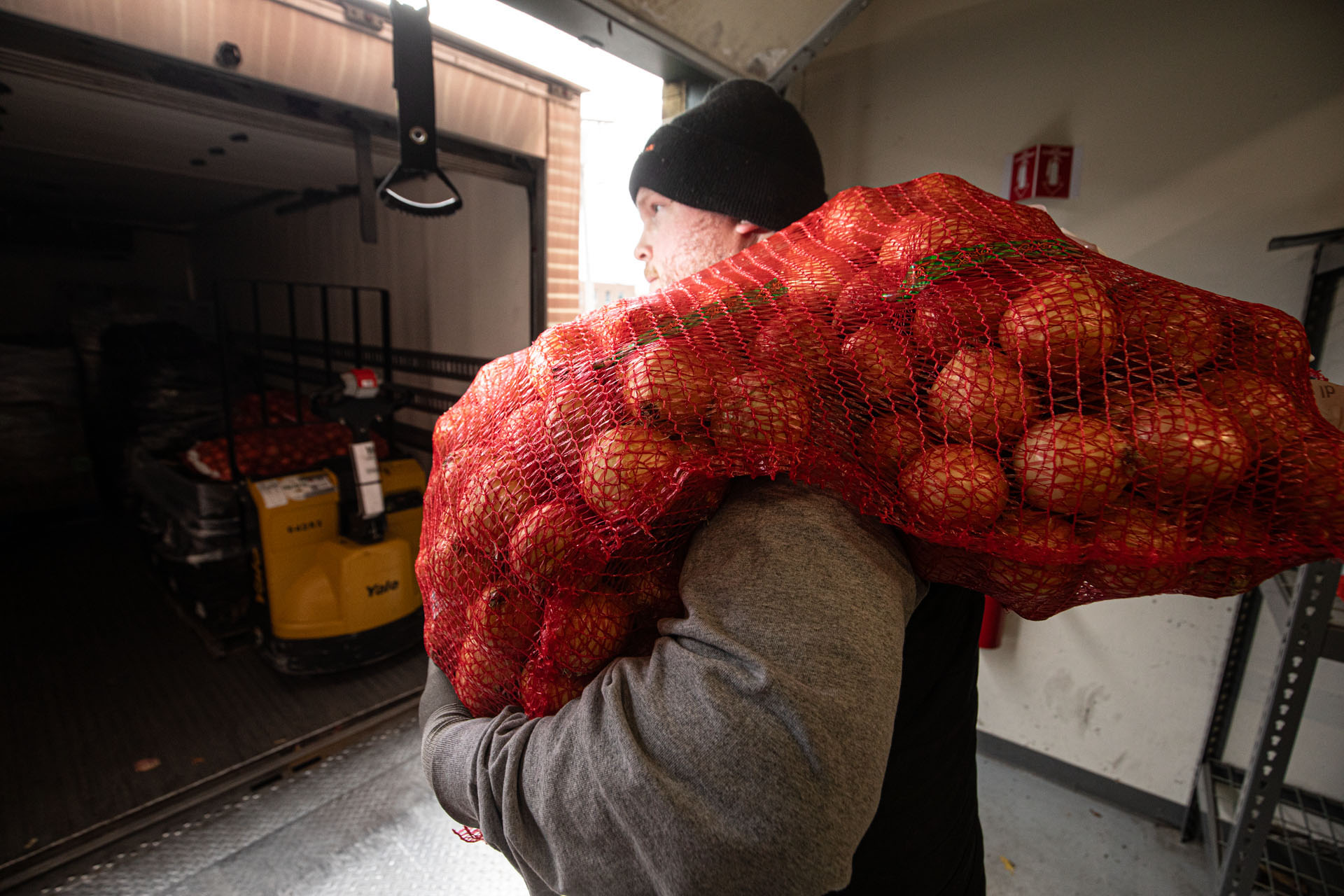
Paul Seabury at Food For Free headquarters.
BUILDING PARTNERSHIPS THAT IMPROVE SYSTEMS
Paul Seabury carries oranges at Food For Free’s headquarters.
Reshaping food access in Cambridge
ONE IN THREE Cambridge residents experiences some form of food insecurity. Hunger is a persistent and urgent pressure in our community, even as Cambridge benefits from a tremendous group of organizations working to improve access to healthy food. As more families turn to pantries and food programs, those organizations have been asked to do more, move faster, and stretch limited resources further.
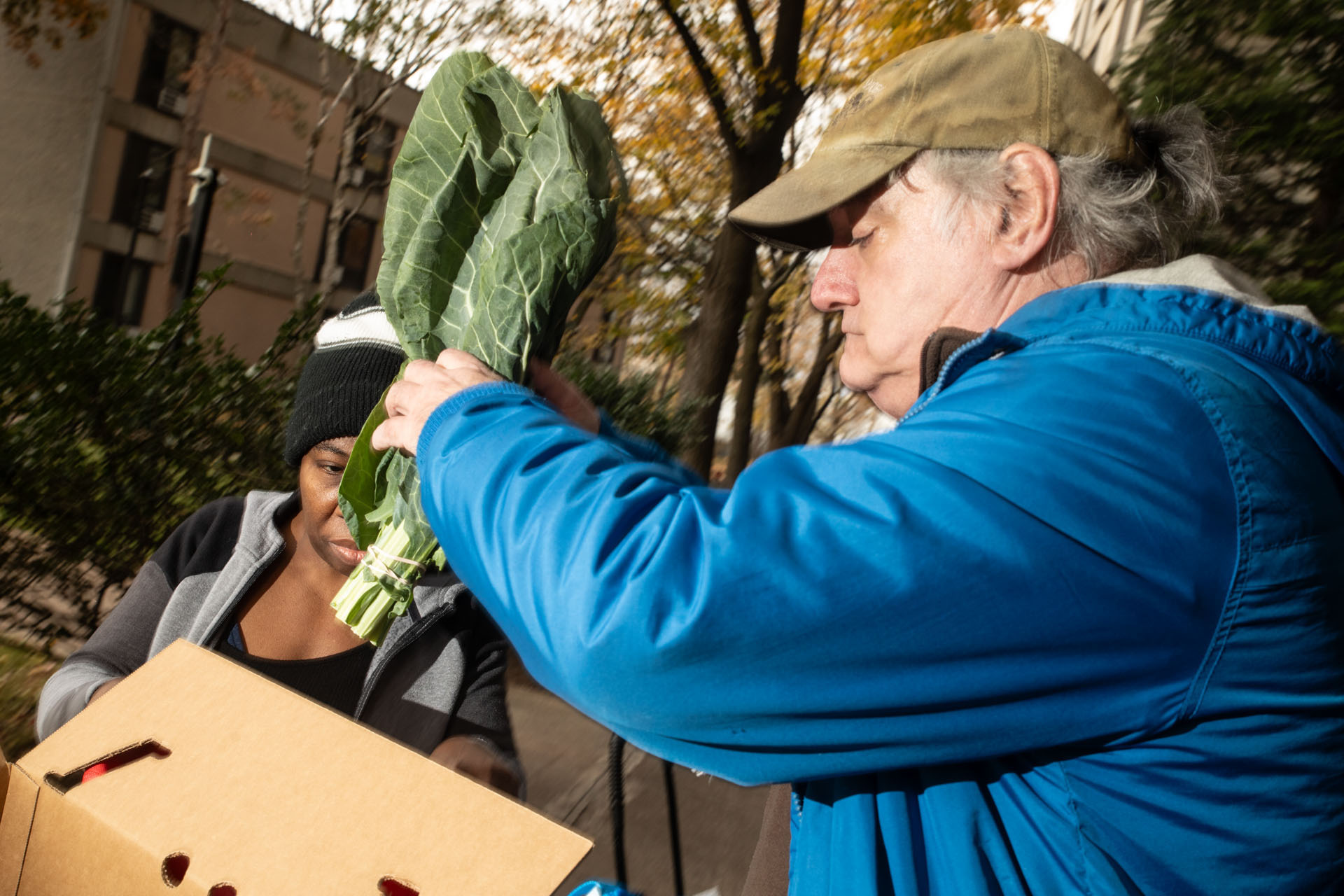
Richard Walsh at a Food For Free delivery to Walden Square Apartments.
CCF saw an opportunity to strengthen the system and, with it, the entire social safety net. Rather than focusing on any single organization, we invested in the connections among them, supporting the people, infrastructure, and shared practices that allow food to move efficiently.
In 2023, CCF launched the Food Access and Security Initiative, investing $1.1 million over three years to support eight food organizations and the Cambridge Food Pantry Network to strengthen core operations, expand programs that reach families directly, and reinforce the logistics that keep food moving across the city. We also bring our food-system partners together regularly so they can share best practices and bolster the emergency food pipeline together.
A 48-hour response to the SNAP crisis
IN LATE OCTOBER 2025, with SNAP benefits about to be cut for 10,000 Cambridge residents, the picture was grim. Food pantry visits had surged—over 200 percent in some cases—and families that had never needed help before were showing up at pantries. We knew we needed to act fast, and we weren’t alone.
Cambridge’s city manager, Yi-An Huang, called a meeting with CCF and the city’s other core food-security partners. Forty-eight hours later, the day before SNAP benefits were set to expire, the City of Cambridge and CCF announced a commitment of $500,000—$250,000 each—to address the crisis.
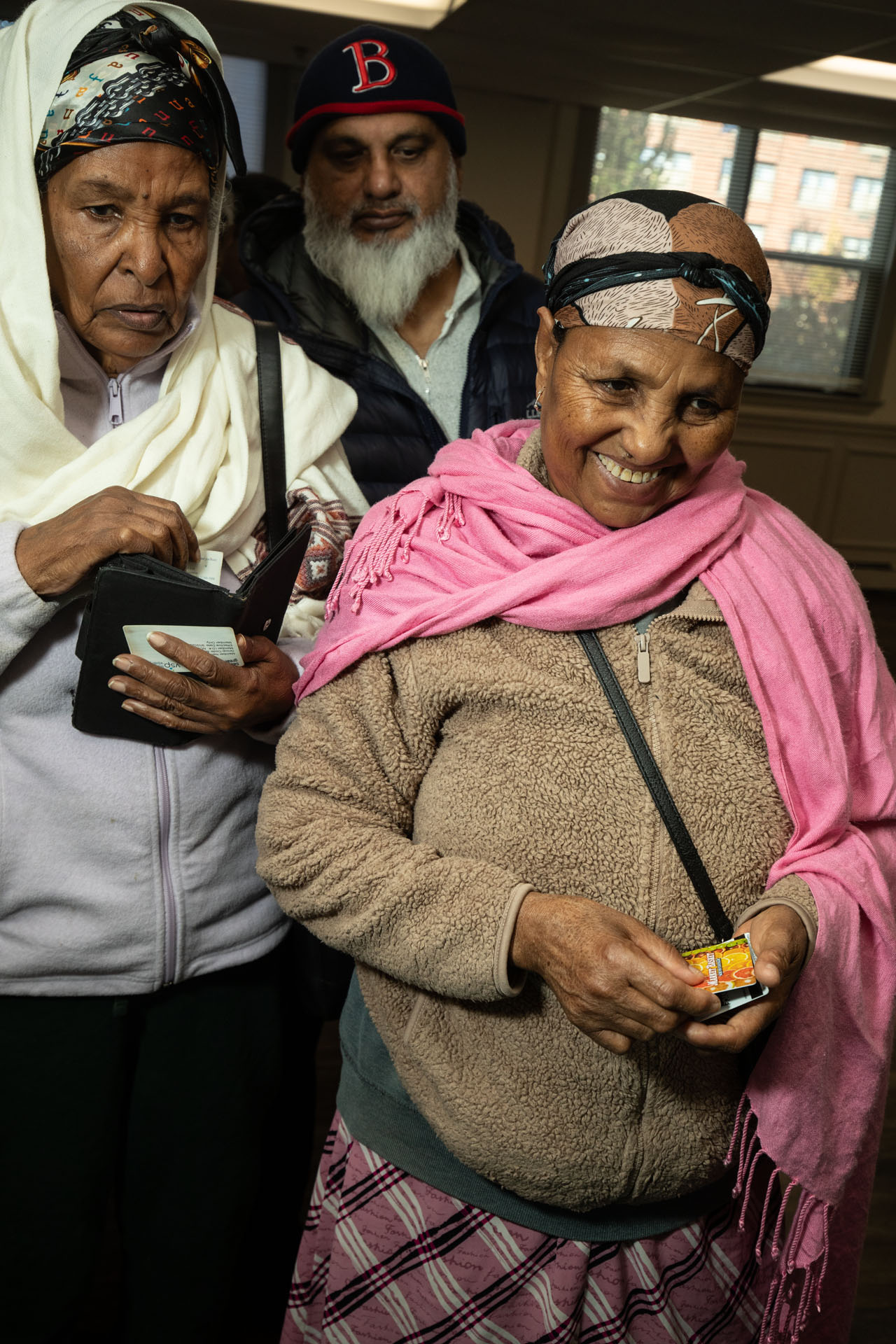
Fresh Pond Apartments residents at a free-grocery-card distribution led by CEOC.
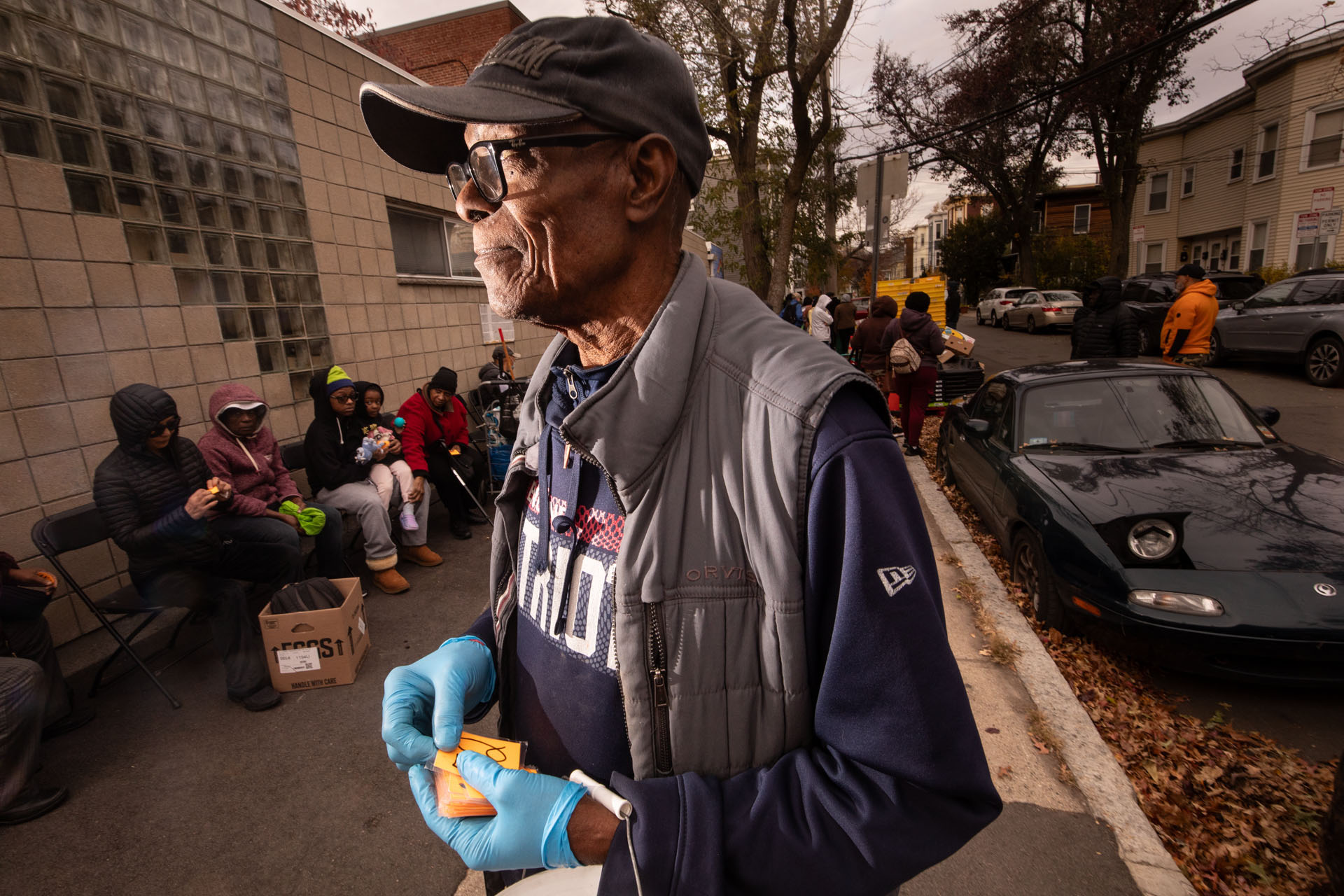
Sylvester Nicholas at the Cambridge Community Center.
A simple fix transforms the pantry line
LONG BEFORE THE SNAP CRISIS, more and more people were coming to the Cambridge Community Center (CCC) food pantry every month. “The line used to be around the block,” says LB Battle, CCC’s operations manager. “It broke our hearts to see people coming at 8 or 9 in the morning in the cold when we didn’t open till 1 p.m.”
Through our Food Access and Security Initiative, the consulting firm More Than Food was brought in to share best practices. One idea CCC adopted was a randomized number system to shorten the lines and wait times.
Bringing food to families
LINES AROUND THE BLOCK are just one challenge in keeping all Cantabrigians fed. Another is that not everyone can get to the pantries.
Every Thursday afternoon, Paul Seabury, senior logistics manager at Food For Free, loads a truck with boxes of groceries at the organization’s warehouse in Somerville as part of the Just Eats program funded by CCF. When he pulls into the parking lot of Walden Square Apartments, an affordable housing development near Danehy Park, residents are already waiting. Boxes are opened on the spot. Neighbors trade vegetables, compare what they received that week, and swap dinner ideas. “It’s like a different kind of farm to table,” Paul says.
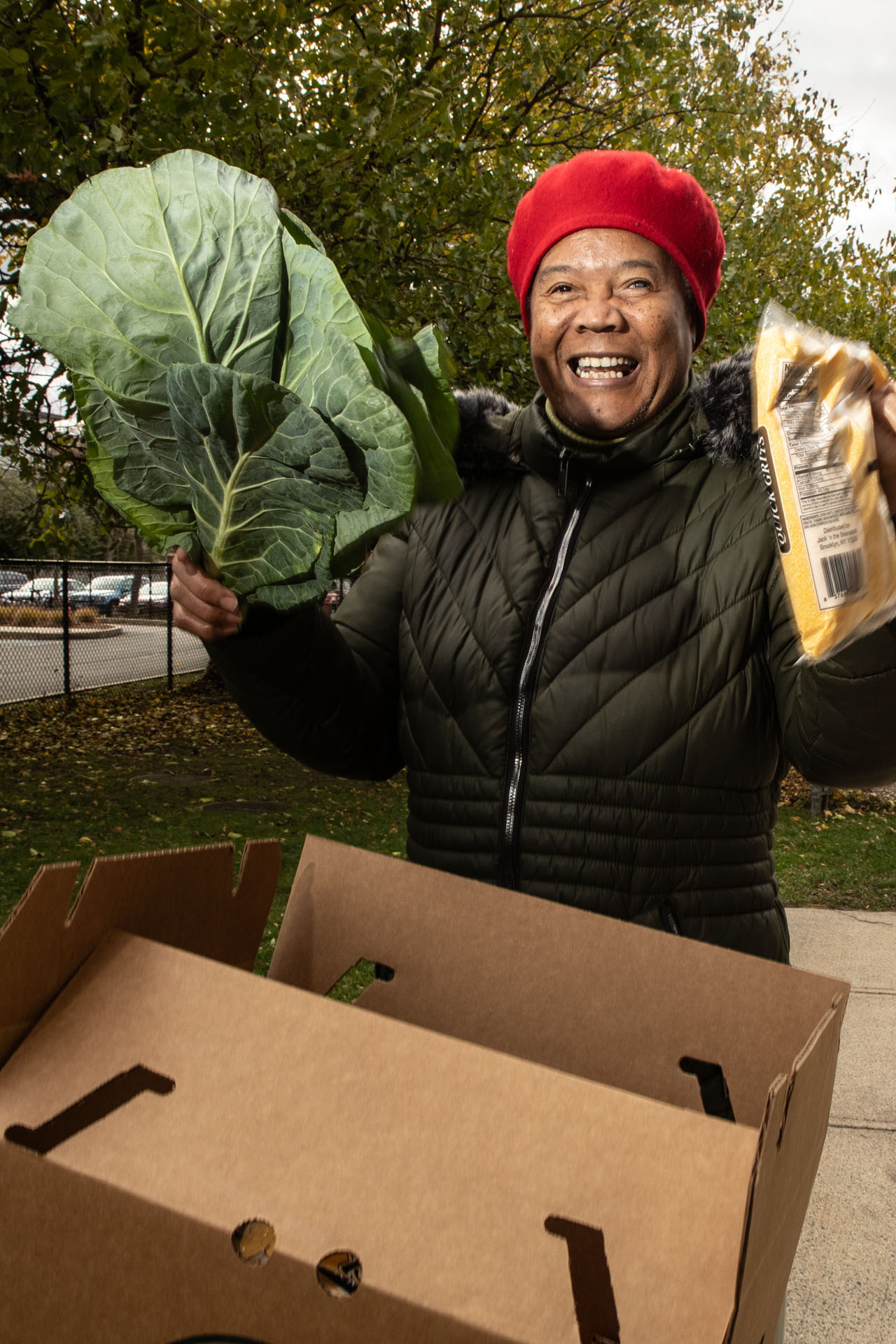
Maria Pierre at a Food For Free delivery to Walden Square Apartments.
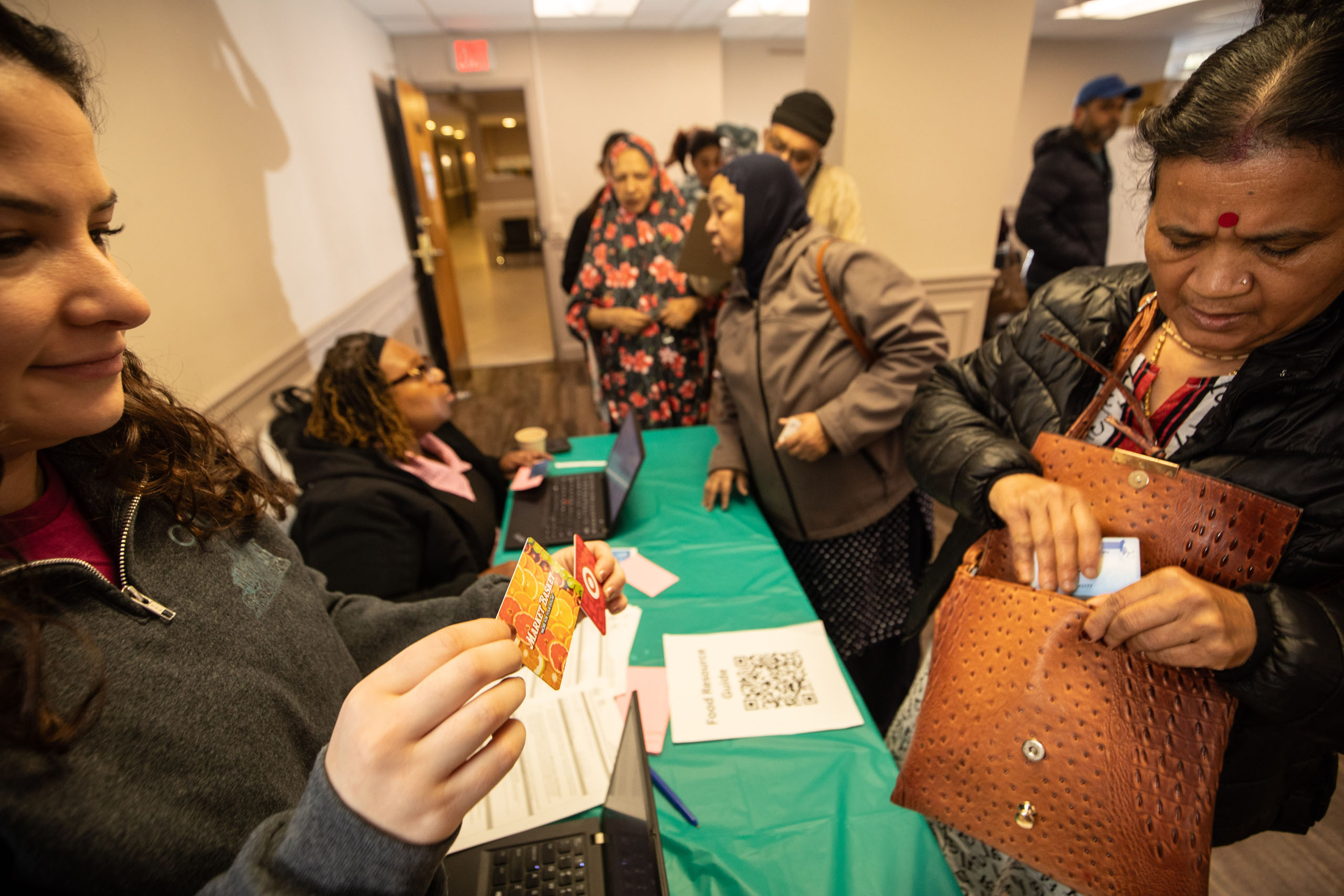
CEOC's Rachel Plummer gives out grocery gift cards at Fresh Pond Apartments.
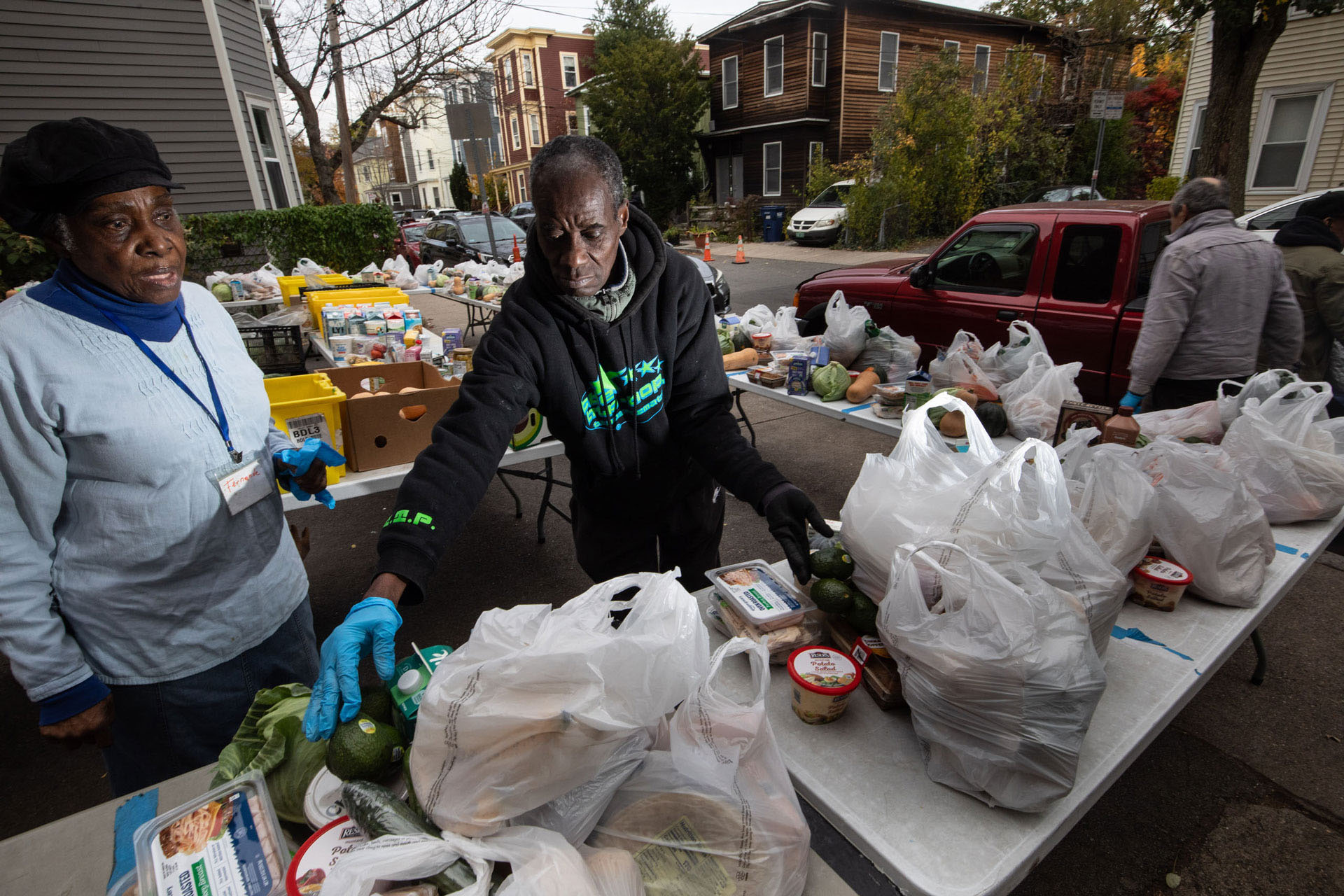
Fernande Desir and Jocelyn “Papa” Georges set up stations at CCC’s food pantry.
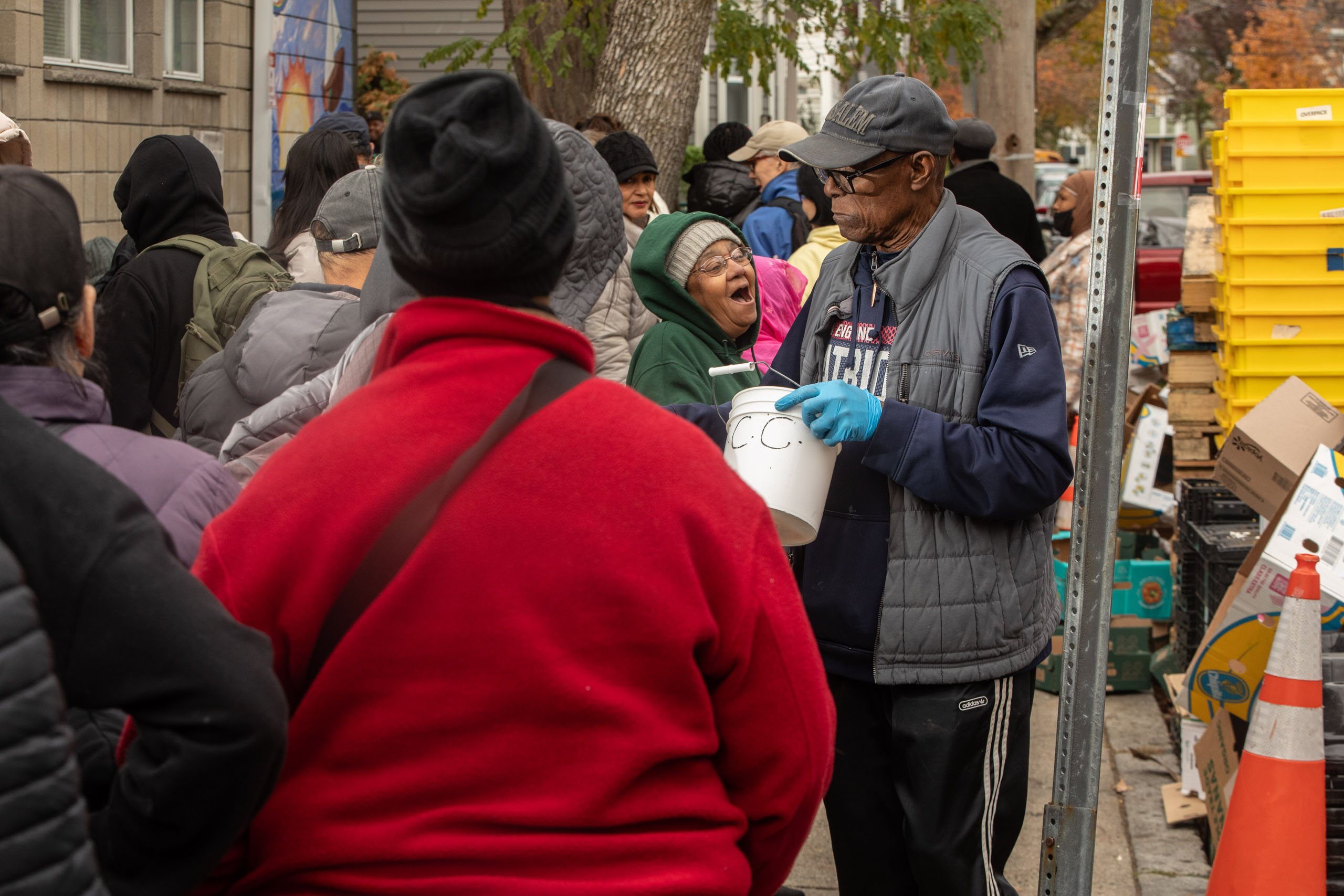
Sylvester Nicholas hands out randomized number cards to food pantry clients.
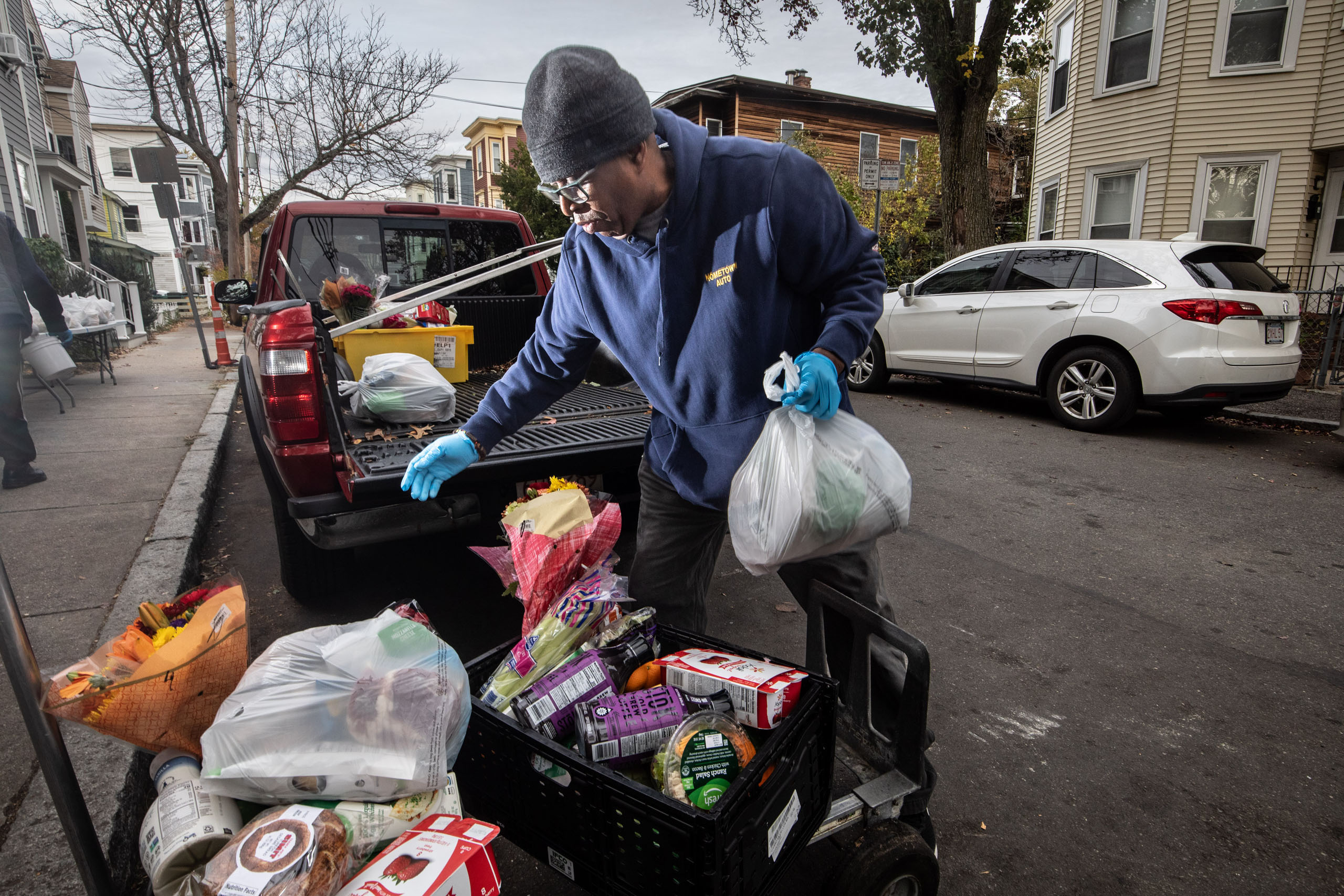
Courtney Reed loads a truck for home deliveries from CCC's food pantry.
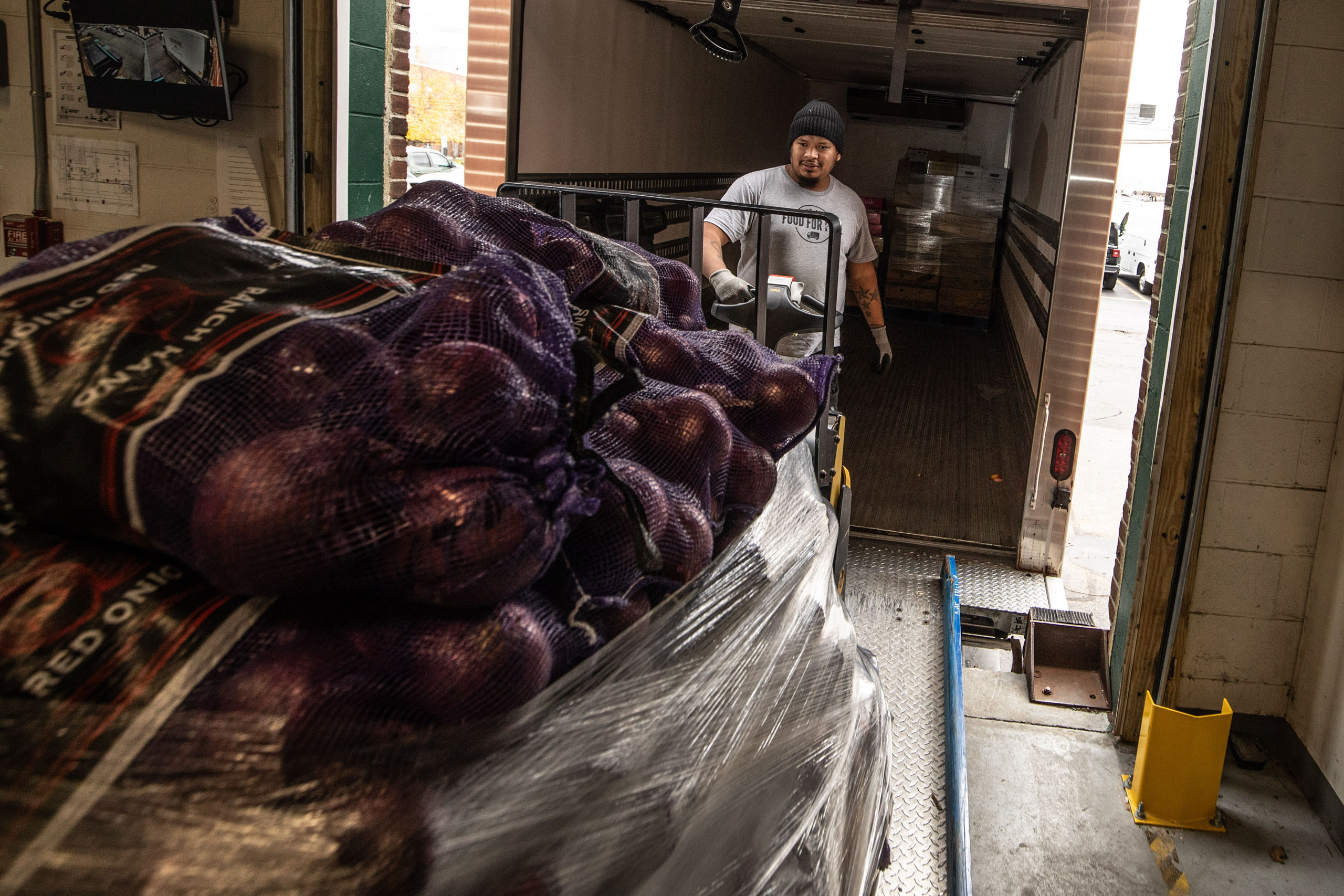
Oscar Ramirez Echeverria loads onions onto a truck at Food For Free's headquarters.
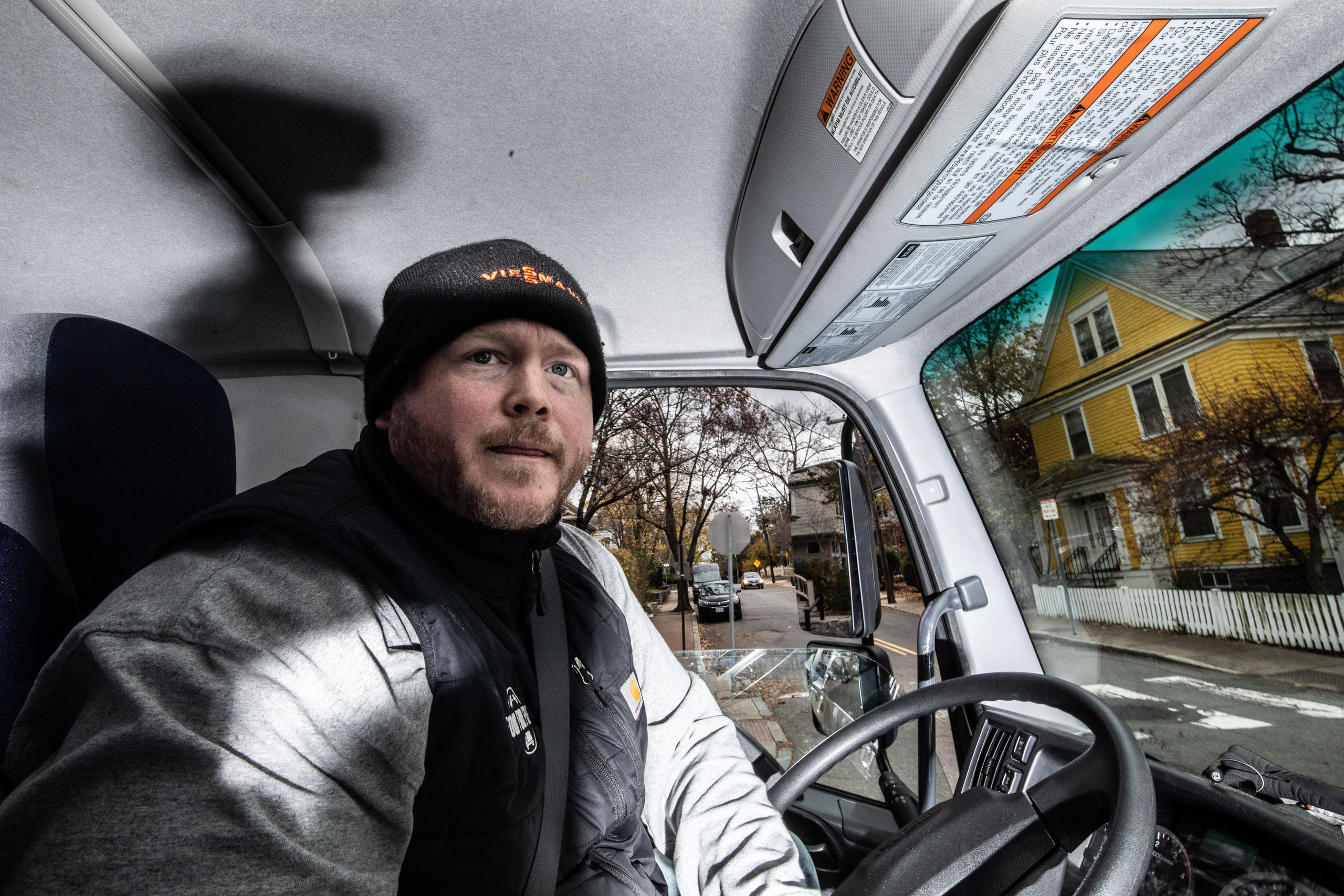
Paul Seabury drives the Food For Free delivery truck.
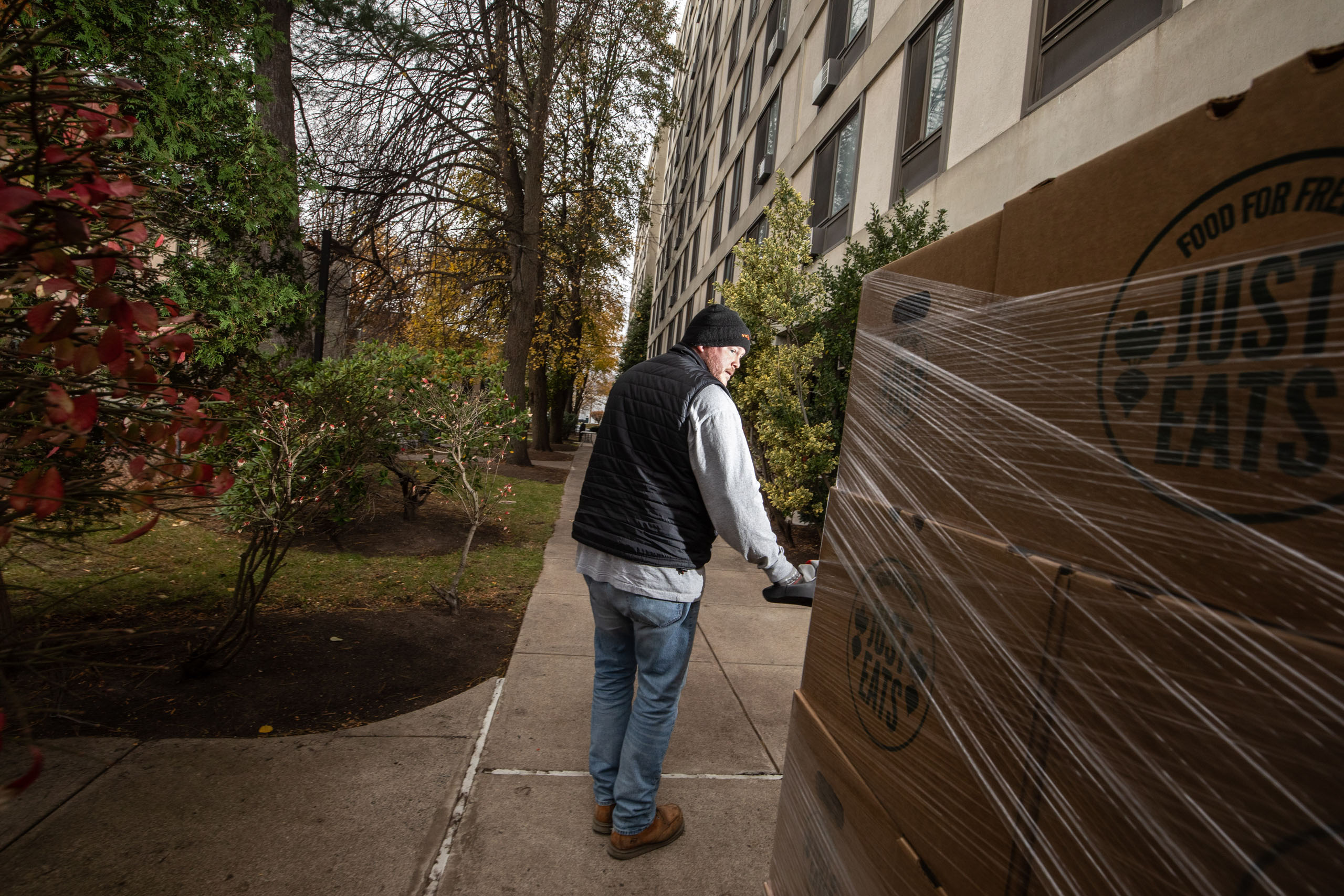
Paul Seabury delivers boxes of food to Walden Square Apartments.
Spotlight on Philanthropy
The power of quiet generosity
WE’RE PULLING BACK THE CURTAIN on allies we rarely get to acknowledge: our anonymous donors. This year, a third of the funding for our Food Access and Security Initiative came from residents who preferred not to give by name. We couldn’t have tackled hunger in Cambridge without them.
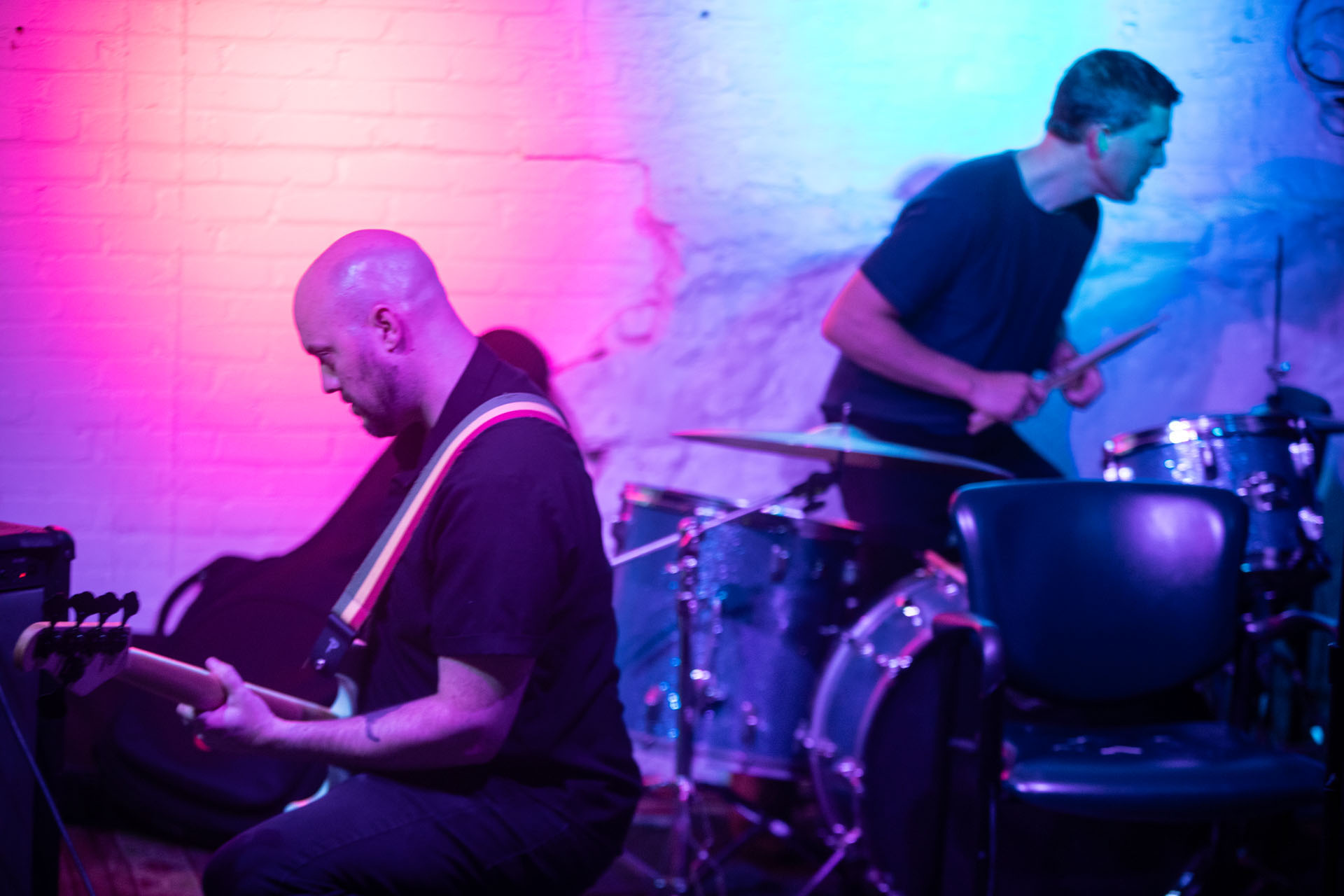
Mario Boiardi and Adam Sankowski perform with their band Horsehands at the Cambridge Community Center.
ARTS AND CULTURE CONNECT CAMBRIDGE
ARTS AND CULTURE CONNECT CAMBRIDGE
NURTURING NONPROFITS THAT CREATE BELONGING
THE ARTS WEAVE A TAPESTRY across Cambridge. From The Dance Complex to The Foundry, from Club Passim to the Central Square murals, we’ve been gifted a city where everyone can experience and participate in the arts.
Mario Boiardi and Adam Sankowski perform with their band Horsehands at the Cambridge Community Center.
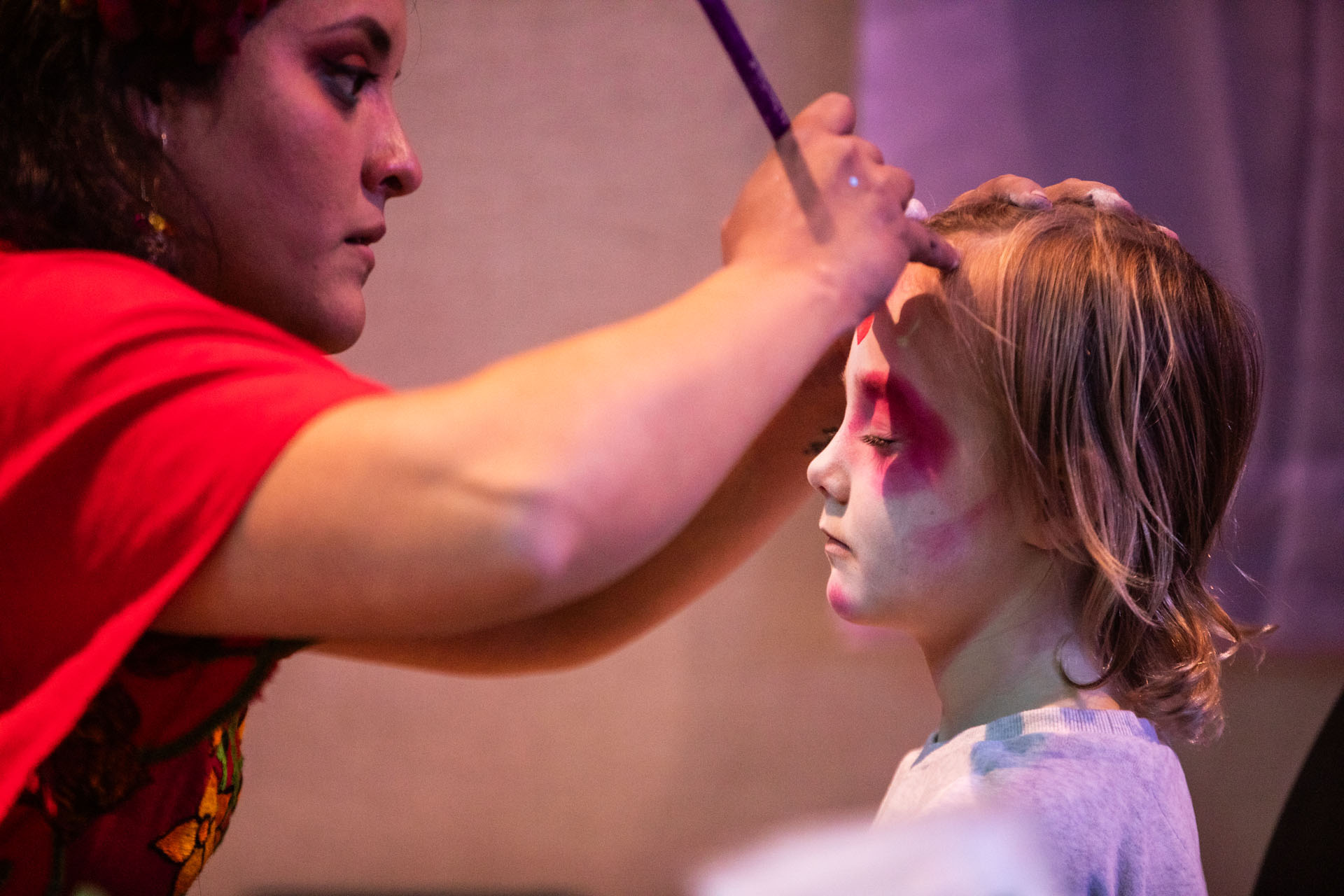
Face painting at the Dia de los Muertos Festival at the Multicultural Arts Center.
In the fall of 2025, CCF launched Culture Connects Cambridge, a three-year, $1.4 million investment in 14 nonprofits, to sustain programs that foster belonging. This initiative began with a new definition of arts, culture, and belonging.
Arts and culture activities build belonging when they:
Face painting at the Dia de los Muertos Festival at the Multicultural Arts Center.
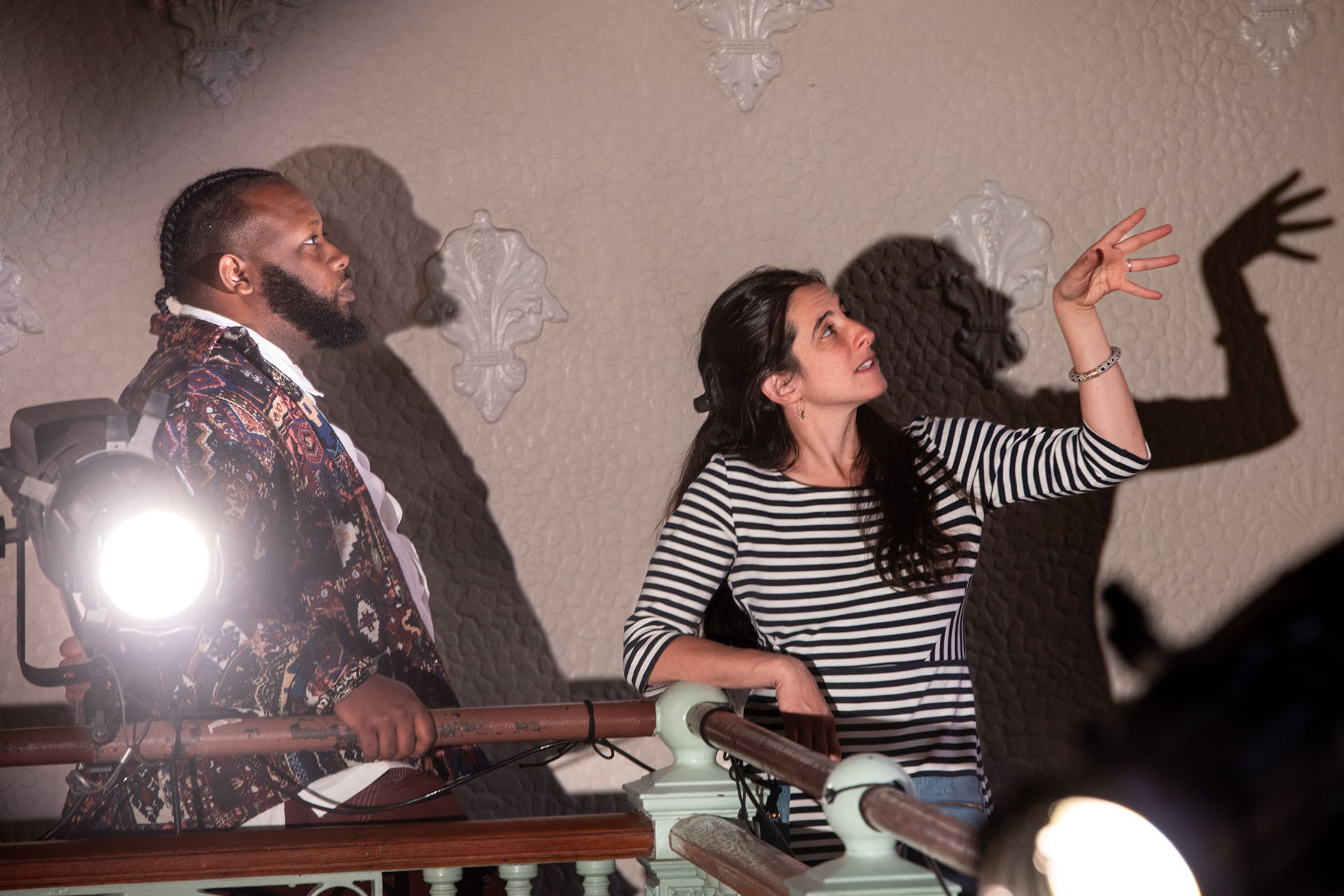
Najee Brown and Adria Katz at the Multicultural Arts Center.
Artists shape cultural life in East Cambridge
IN EAST CAMBRIDGE, the Multicultural Arts Center (MAC) faces a challenge shared by many cultural institutions: how to remain a welcoming environment where local artists can thrive and inspire the community. With support from Culture Connects Cambridge, MAC will continue to provide a space where artists can share their stories through music, dance, poetry, theater, and visual arts.
Under the co-leadership of artistic director Najee Brown and managing director Adria Katz, both practicing artists, MAC hosts performances that explore the complexities of identity and examine the intersections of race and culture.
Music for mental health
IN THE MEMORY care unit at the Cadbury Commons senior-living facility in North Cambridge, a woman who rarely speaks begins to hum along when she hears a familiar song. Others join in, and soon everyone is singing together. At that moment, you can see how music is a shared language that brings people into relationships with one another and with their past selves.
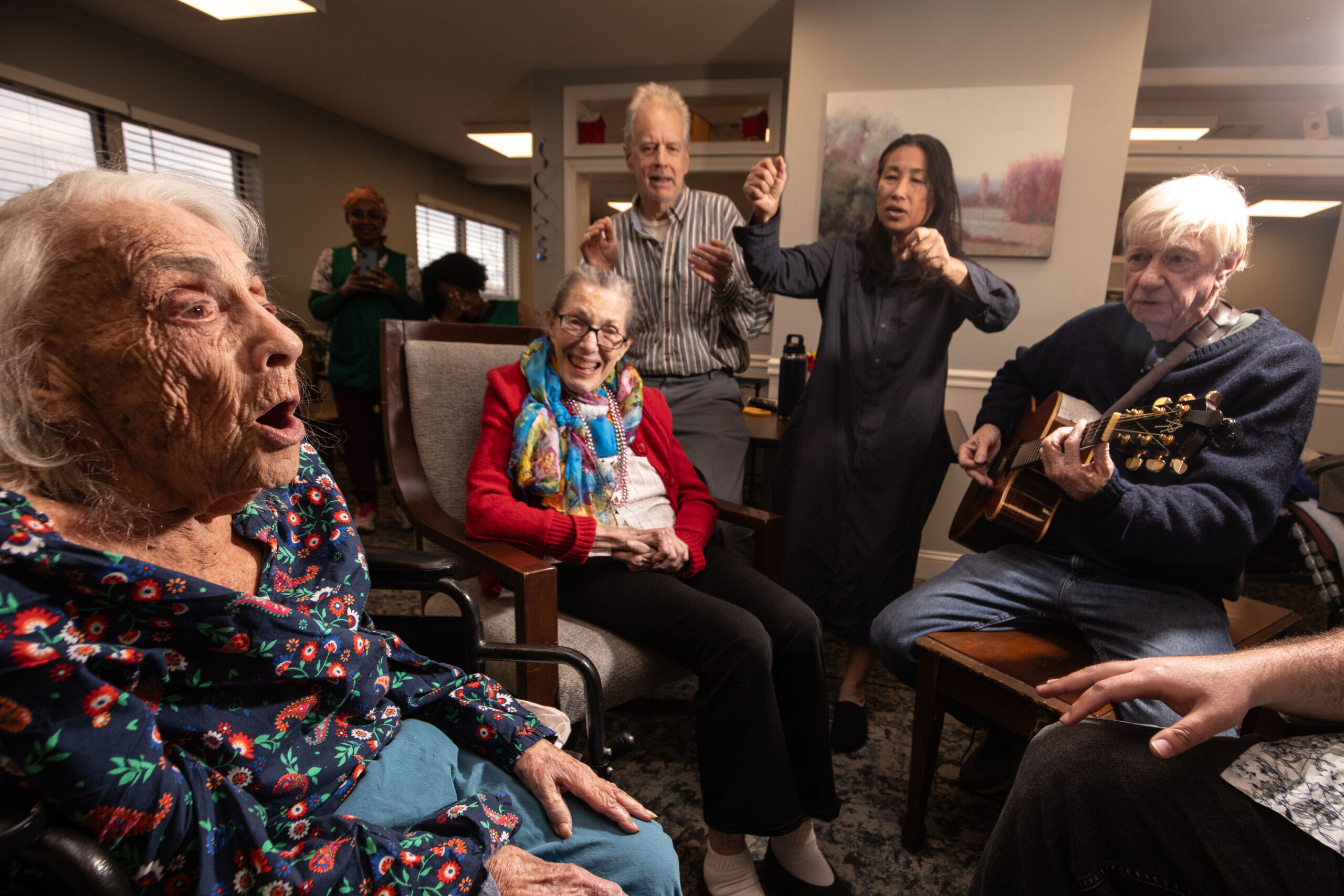
Residents sing along with Tunefoolery’s Jeff Fisher, Linda Chin, and George McPherson at Cadbury Commons.
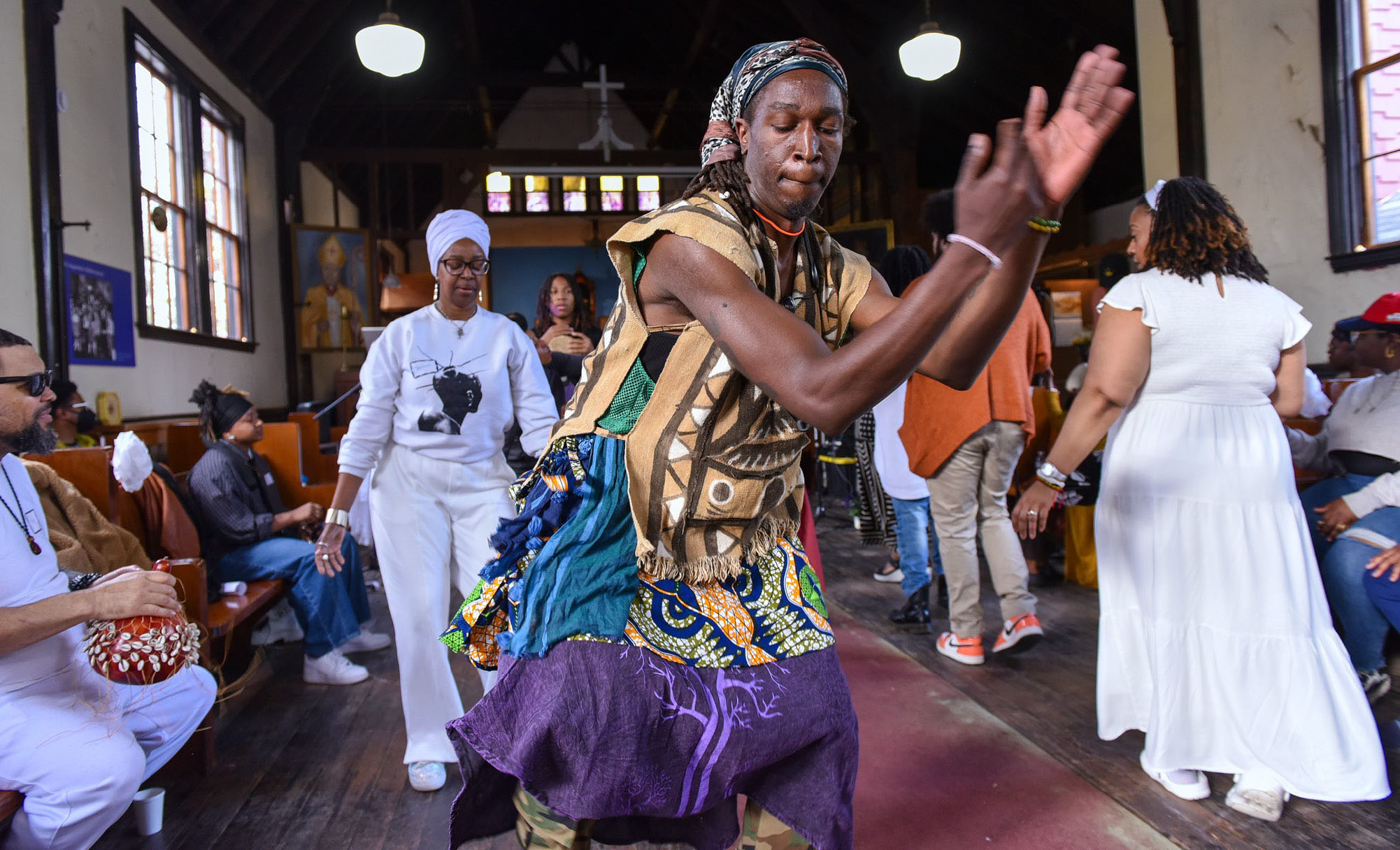
Charles Murrell III at St. Augustine’s African Orthodox Church. By Craig Bailey/Perspective Photo.
A historic Black church becomes a civic force
ONE OF THE FIRST RECIPIENTS of Culture Connects Cambridge was Black History in Action Cambridge (BHAC), which is based in St. Augustine’s Church, a historically Black congregation that has long served as a place of safety, memory, and gathering for Black Cantabrigians. Over the years BHAC has evolved into a beloved space for belonging, offering concerts, screenings, lectures, and block parties. Through Culture Connects Cambridge, it will launch new intergenerational programming that brings elders and young people together to share stories, create art, and build connection. Plans are also in the works to turn the lower level of the renovated church into a gathering space.
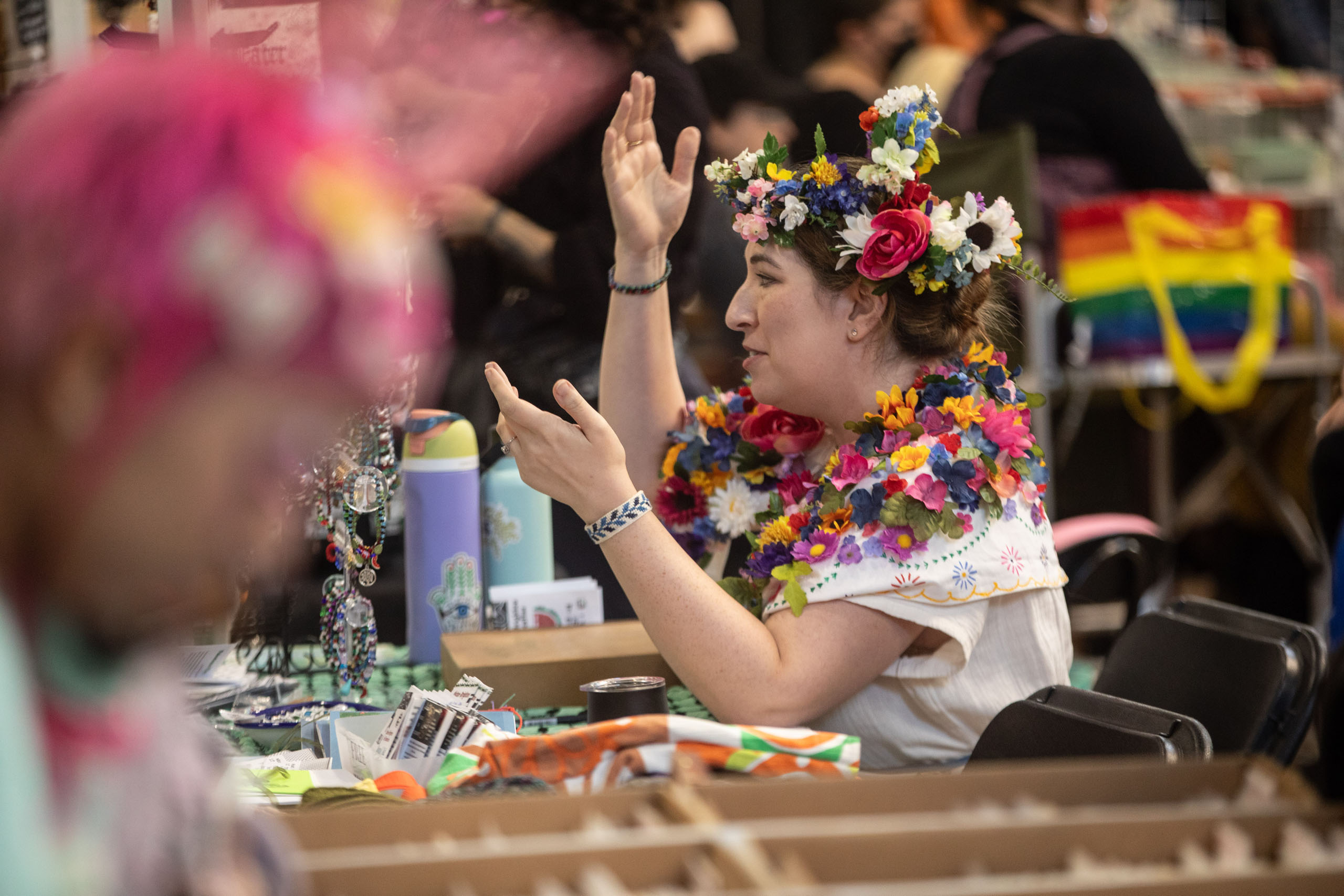
A vendor at the Cambridge Community Center's hassle arts market.
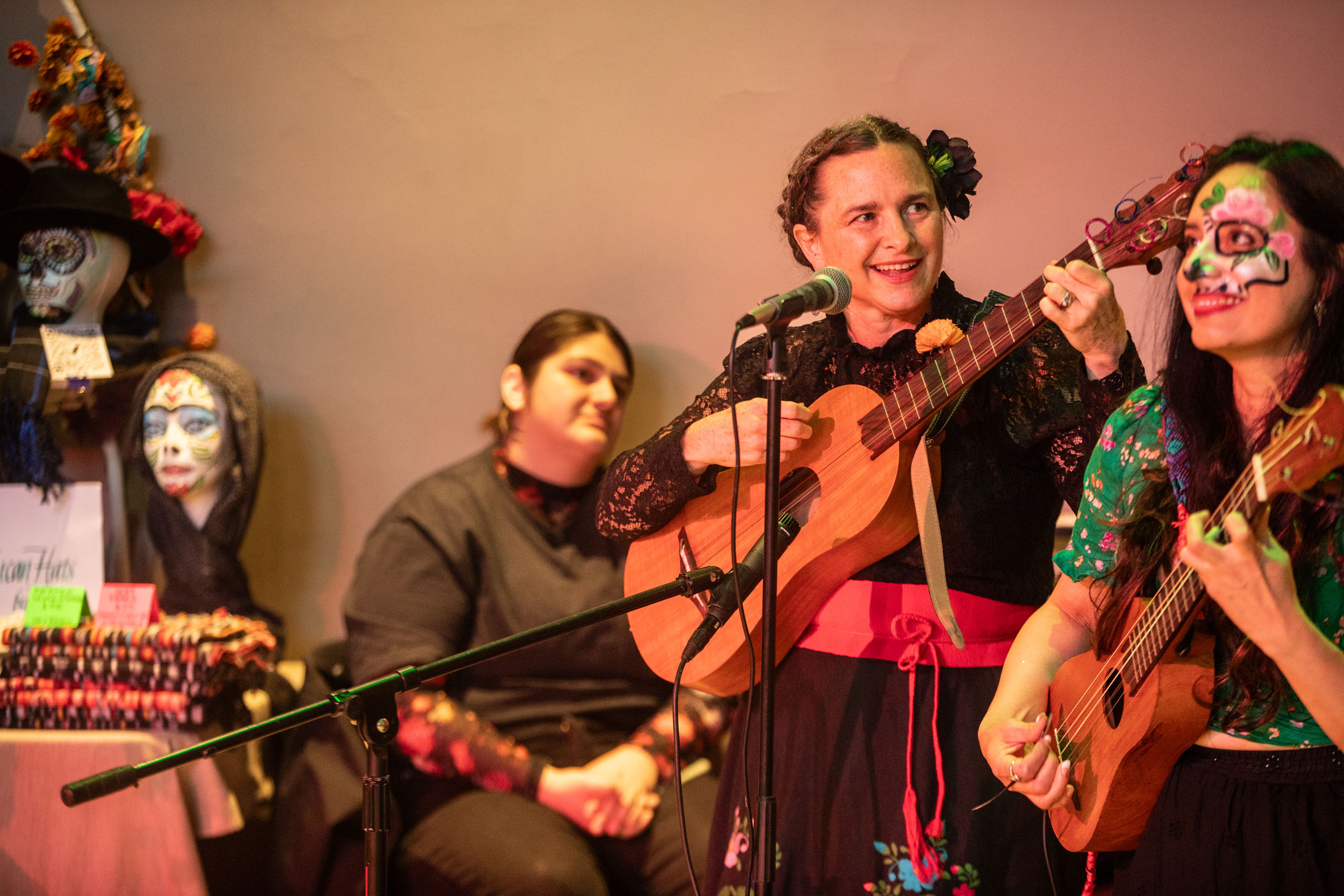
Izzy Eterian, Kristen Graser, and Zaira Meneses, left to right, at Multicultural Arts Center.
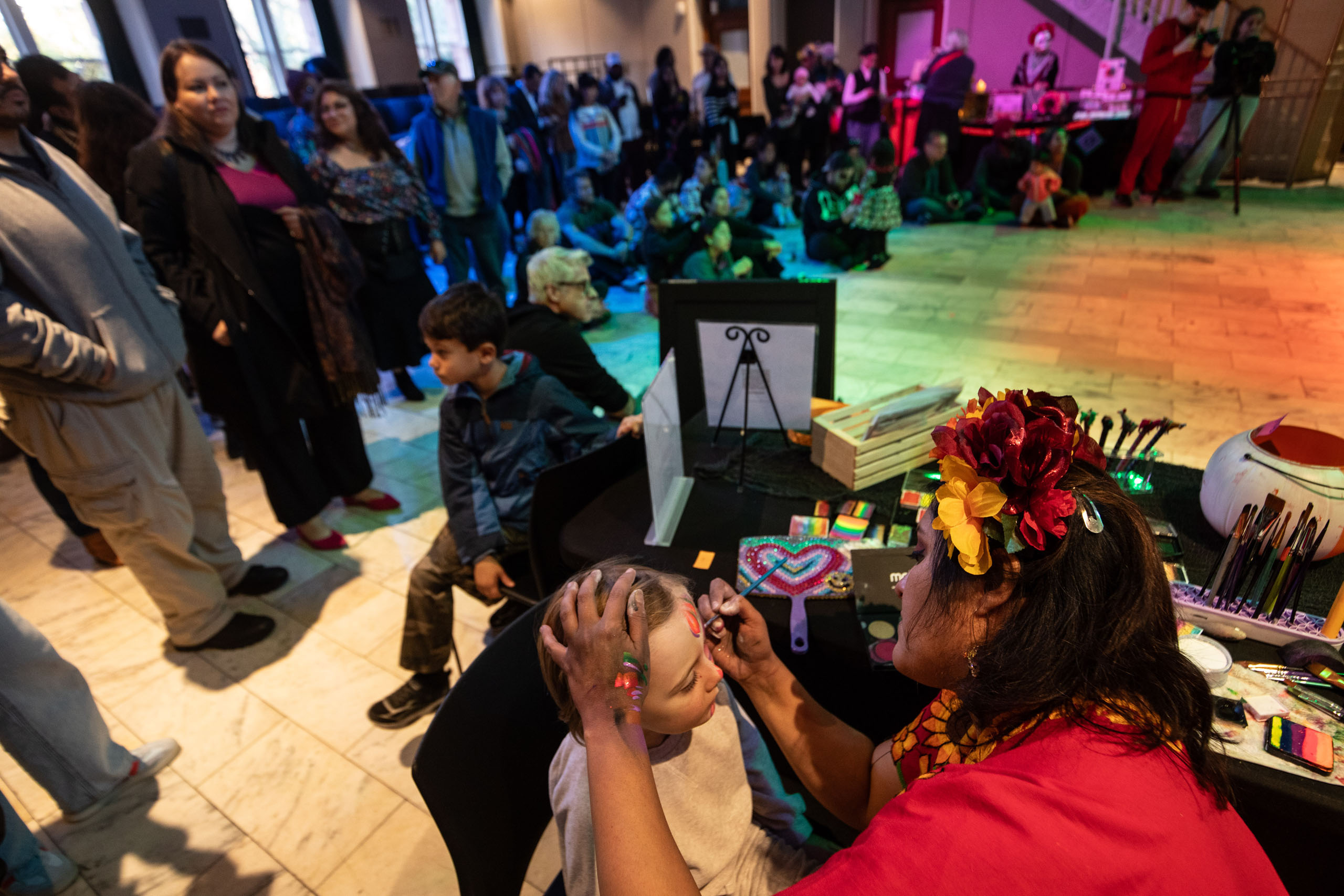
The Día de los Muertos Festival at Multicultural Arts Center.
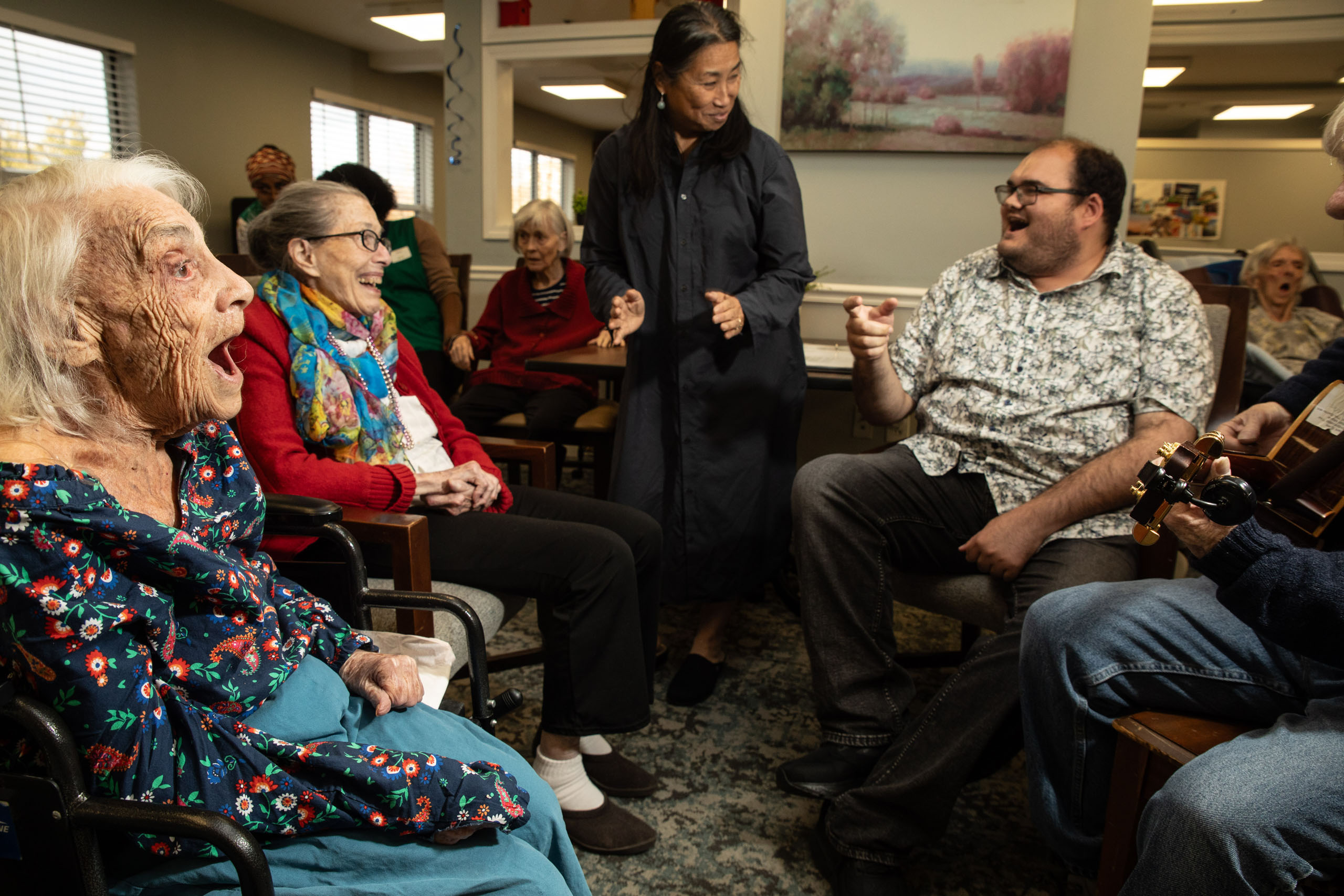
Joy fills the air as residents sing along with Tunefoolery’s Linda Chin and Jonathan Krushell at Cadbury Commons.
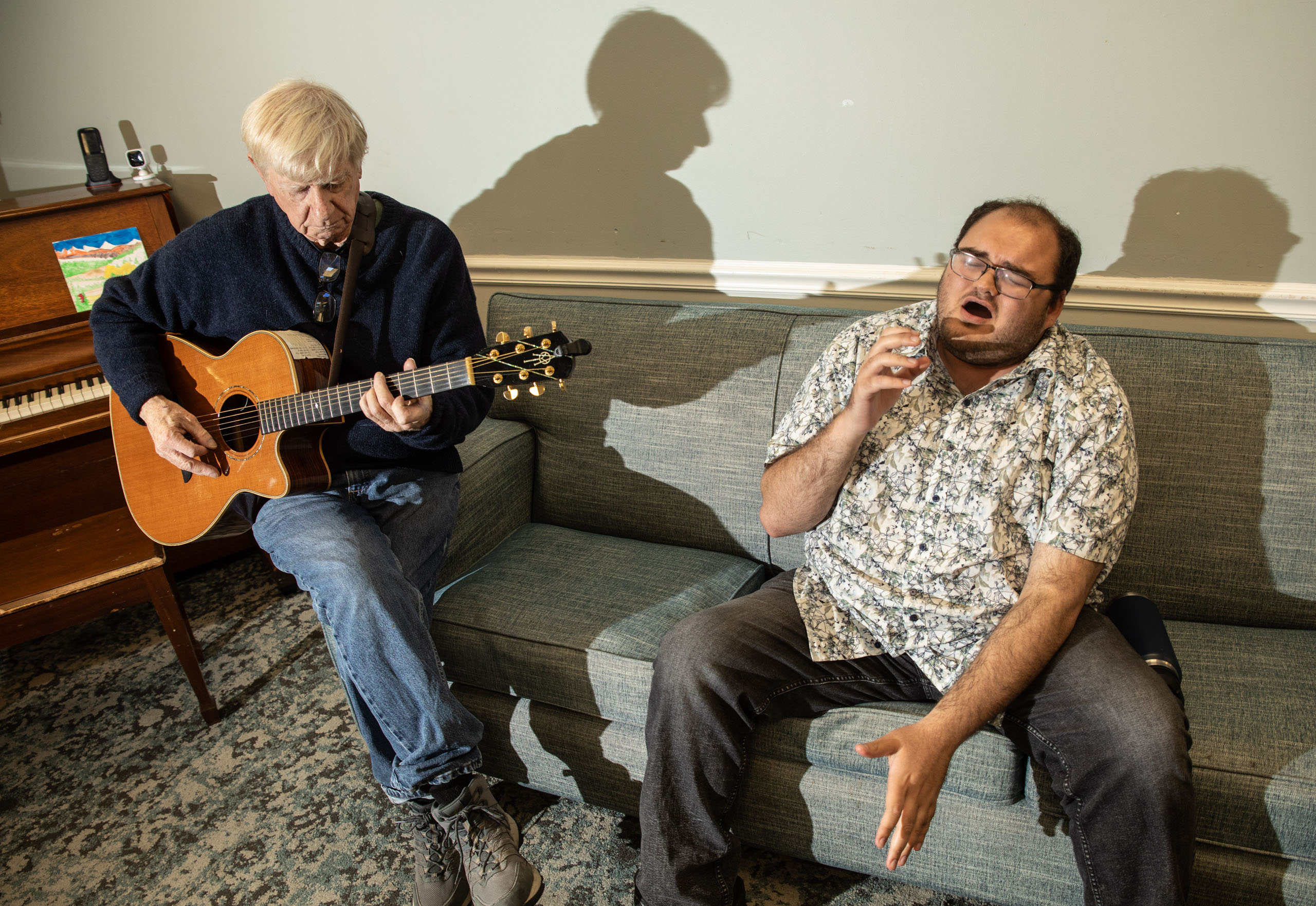
Tunefoolery's George McPherson and Jonathan Krushell perform.
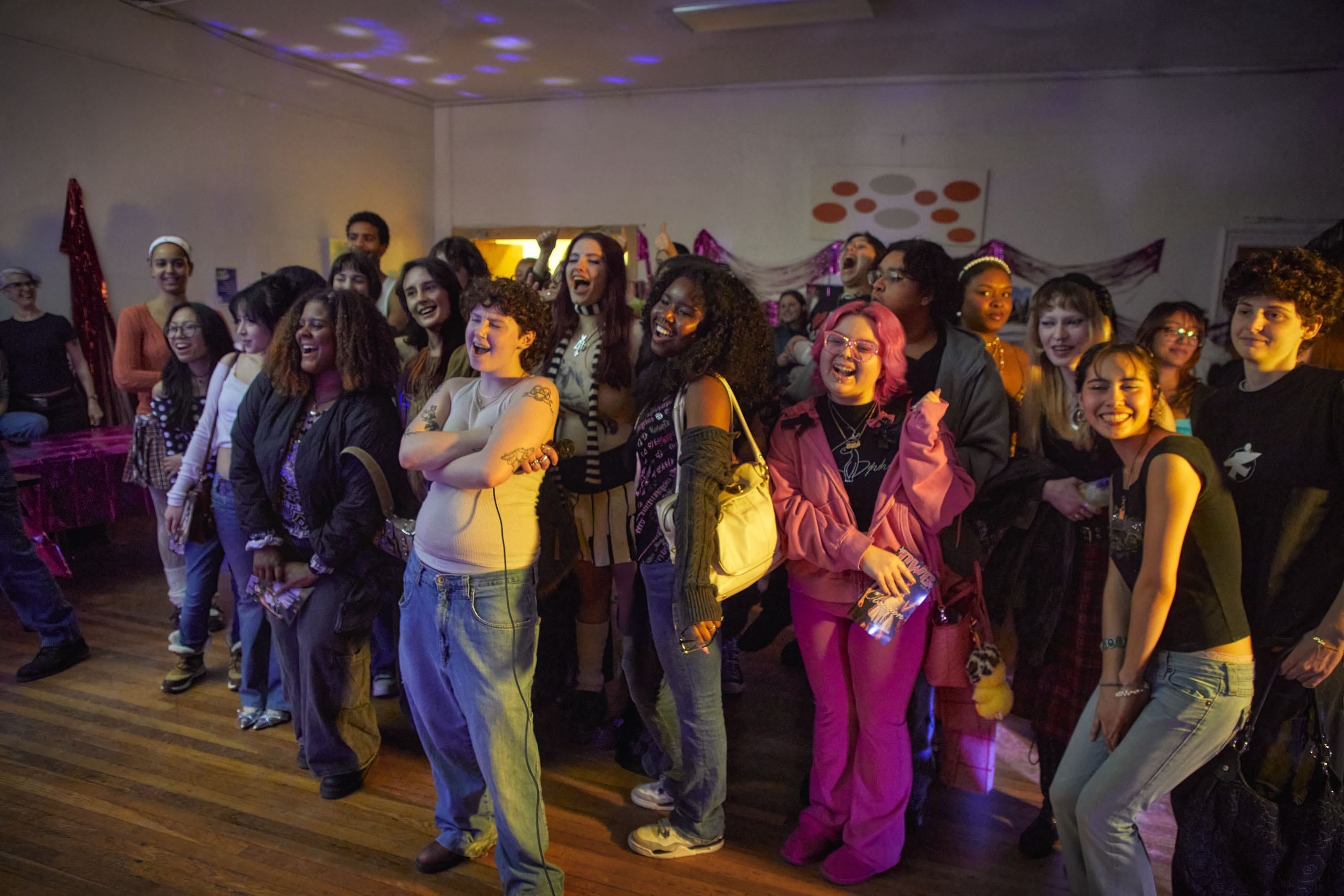
Cambridge Rindge and Latin grad and pop singer Zola Simone performs for a crowd at Cambridge Community Center for the “Dreamworldgirl Issue 4: Obsession” release party.
Rachael Innerarity at Porter Square Books with a picture of Cal.
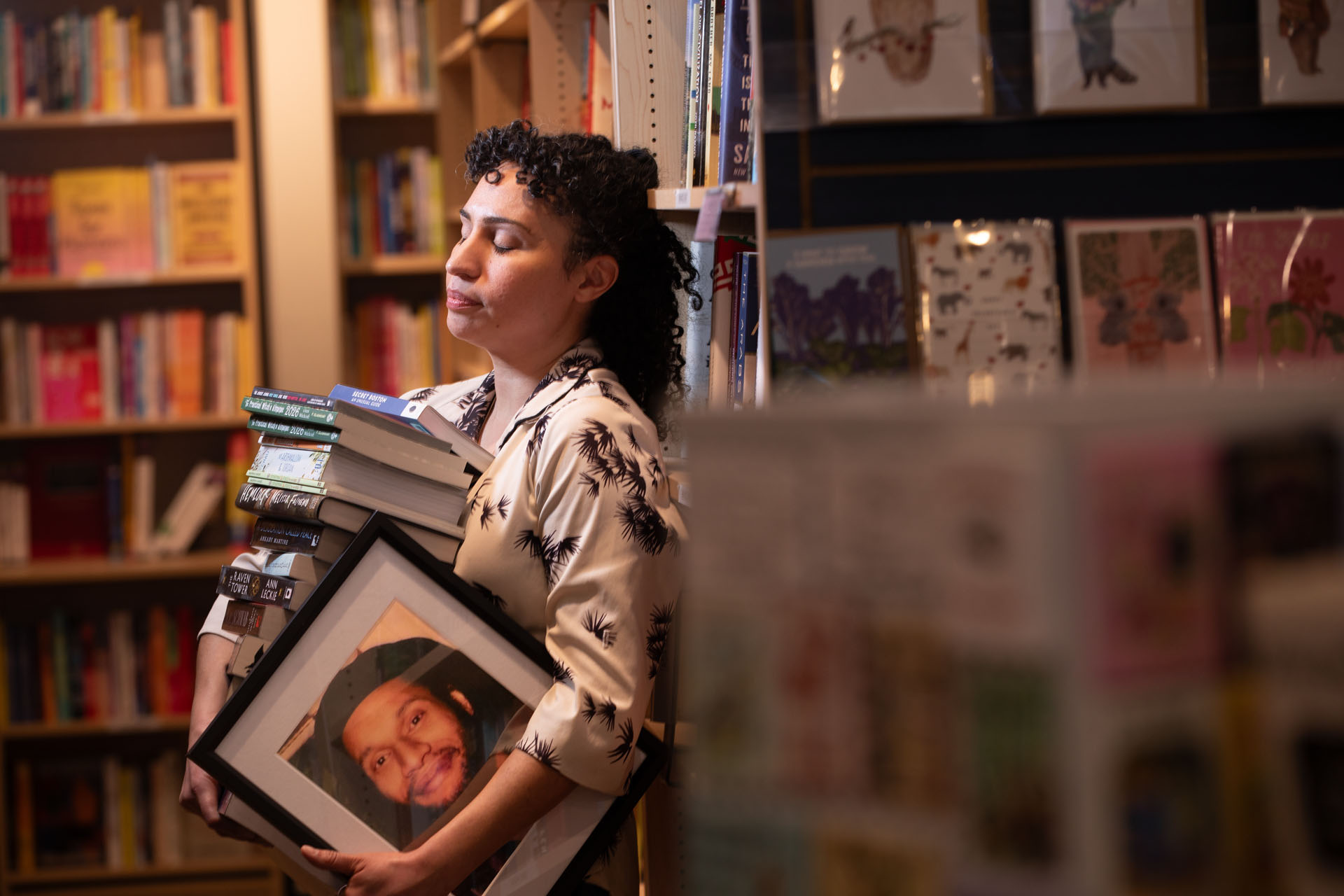
Rachael Innerarity at Porter Square Books with a picture of Cal.
Spotlight on Philanthropy
Rachael Innerarity honors her dad, Cal
CALVIN “CAL” INNERARITY, a longtime Cambridge resident, was something of a Renaissance man, says his daughter, Rachael. He never stopped learning, from the university to the mechanic’s bay, from the radio-DJ’s booth to the pilot’s cockpit to the theater’s scenic-carpentry shop. He was a giver and a consummate storyteller with an infectious wit, and as such he touched many in the Cambridge community.
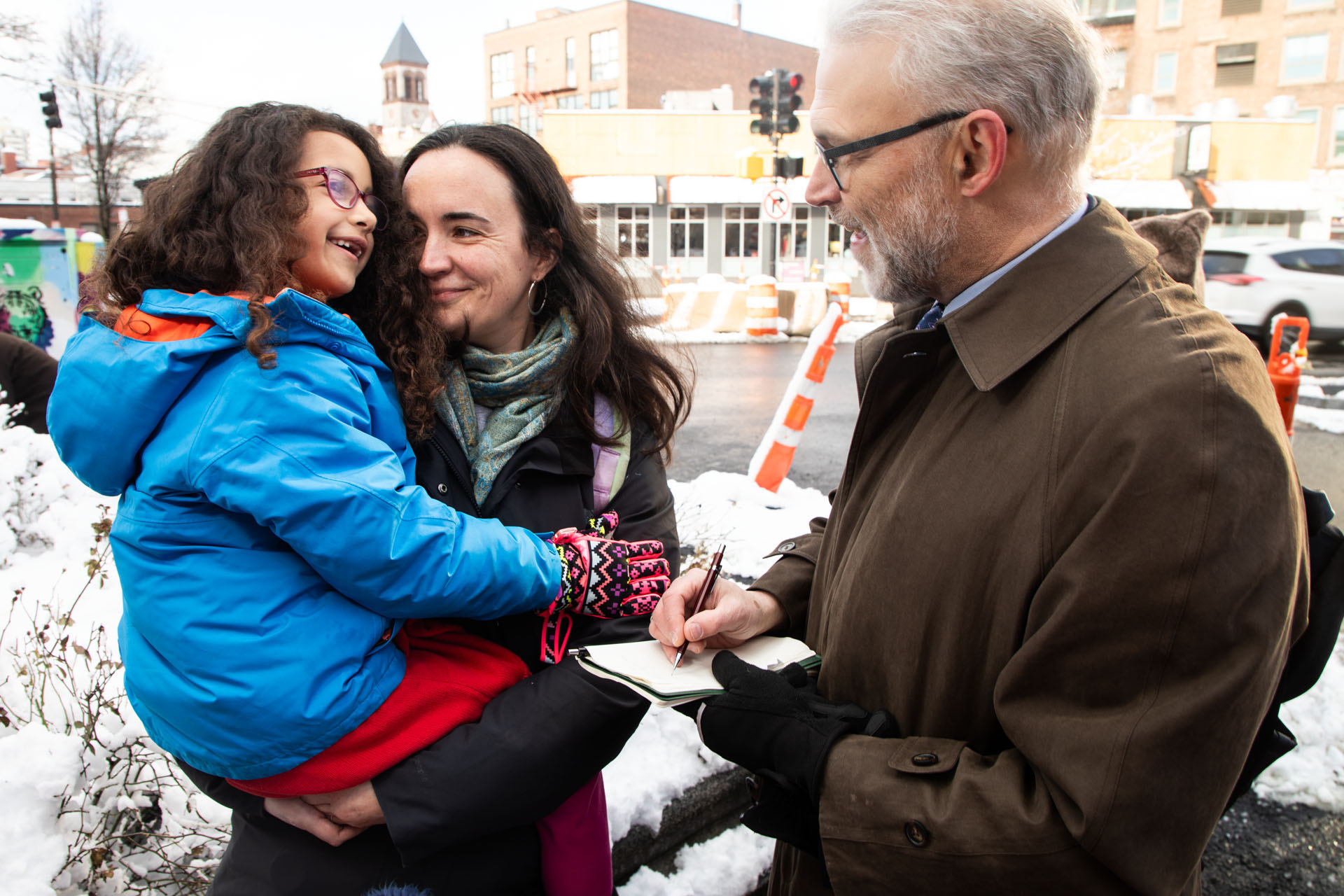
Cambridge Day editor Michael Fitzgerald interviews a local family at the MLK Day of Service.
Investing in innovative thinkers
Investing in innovative thinkers
Cambridge Day editor Michael Fitzgerald interviews a local family at the MLK Day of Service.
The revival of local news
IN EARLY 2023, Kristen Wainwright and Rick Harriman, former CCF board members, found themselves in conversation with fellow Cambridge residents frustrated by the loss of a strong local news source. Since its last reporter left in 2022, Cambridge Chronicle had stopped covering the city in any meaningful way, and Cambridge Day—the only remaining outlet providing real coverage—was a one-person operation facing its own precarious future.
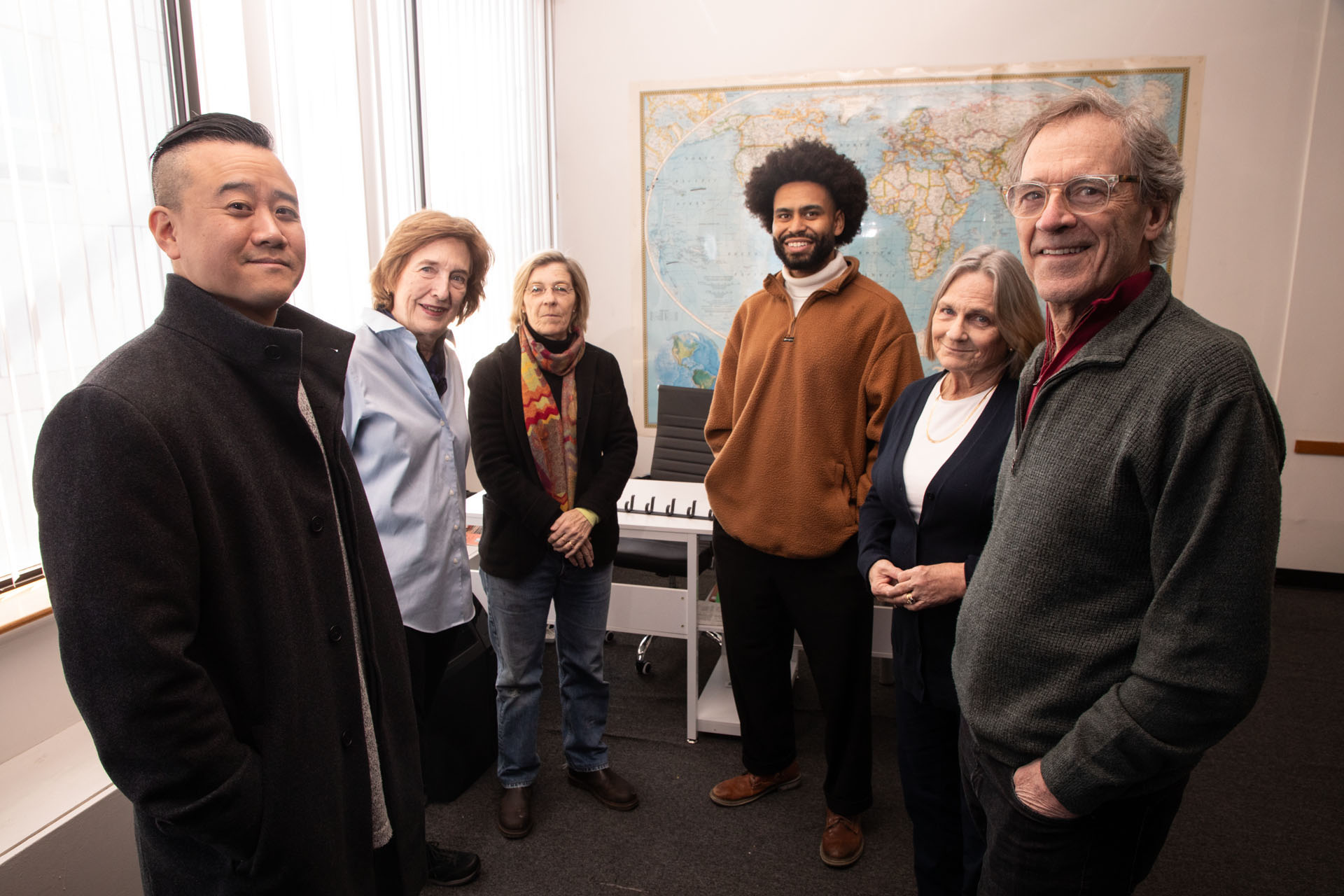
Cambridge News Inc. board and Local News Fund advisory board members (from left) Larry Kim, Kristen Wainwright, Mary McGrath, Niko Emack, Martha Dryer, and Rick Harriman. Not pictured: Raffi Freeman, Amira Valliani, Lori Lander, and Jim Maloney.
Concerned that the city was on the brink of losing local journalism altogether, and seeing alignment between CCF’s goal of social cohesion and a robust local newsroom, Kristen and Rick and their newly formed group, Cambridge Local News Matters, approached CCF’s board and staff with a straightforward but urgent request: Help us save local news for Cambridge.
CCF recognized that local news is imperative for informed civic engagement. Not only does it help people understand the issues, decisions, challenges, and diverse perspectives shaping daily life in their community, but it also provides a shared story of who we are and helps us hold our civic leaders accountable.
Cambridge News Inc. board and Local News Fund advisory board members (from left) Larry Kim, Kristen Wainwright, Mary McGrath, Niko Emack, Martha Dryer, and Rick Harriman. Not pictured: Raffi Freeman, Amira Valliani, Lori Lander, and Jim Maloney.
Spotlight on Philanthropy
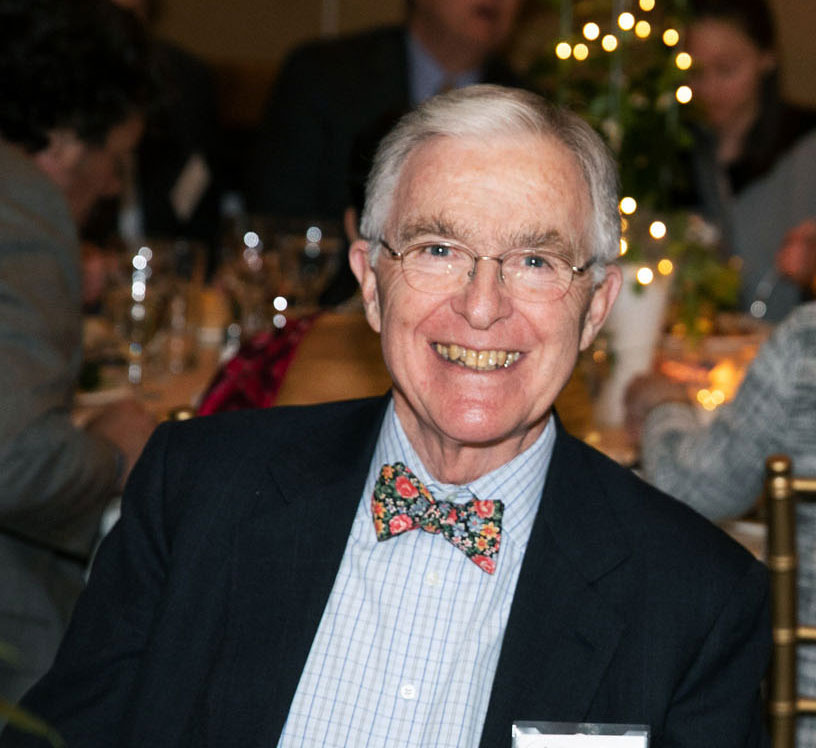
Mel Hodder invested in our leadership
LONGTIME CAMBRIDGE RESIDENT Mel Hodder was an energetic man with a funny bone and a real knack for driving strategy, not only as a wealth manager at Morgan Stanley but also as a member of CCF’s board of directors. “He made people laugh, then got them to pass the motion and make the decision,” says his wife, Lissa. “It made him a group favorite.” Mel passed away in 2023, but he left his mark on CCF.
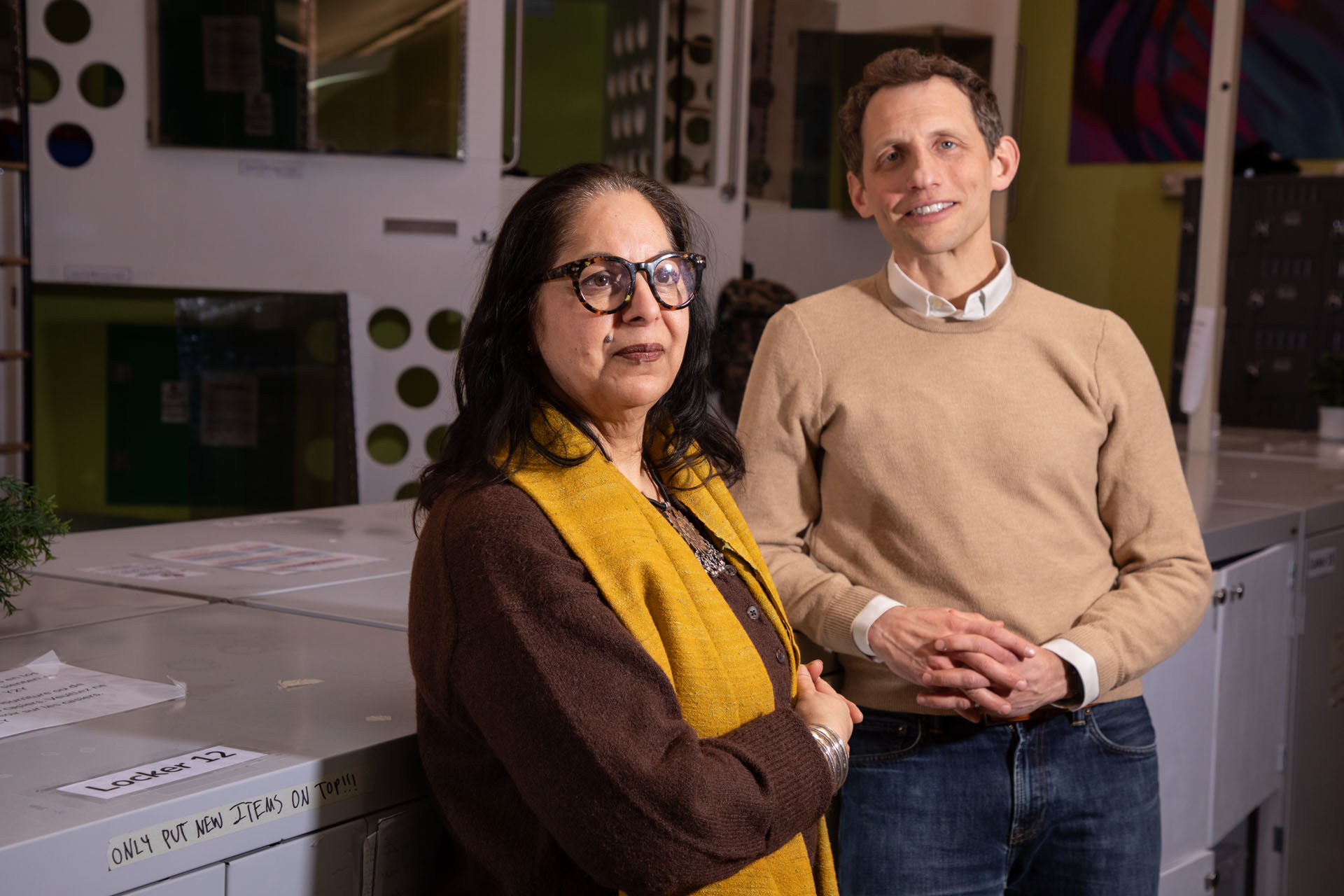
Geeta Pradhan and Matt Aronson at Y2Y, a youth homeless shelter in Harvard Square.
Nurturing a big idea
CCF IS WELL KNOWN as a local grantmaker. This year we invested $5.2 million in nonprofits across Cambridge and beyond. But there’s another side to our work that’s less visible: the advice we offer. In any given year, we guide dozens of nonprofits through challenges with operations, strategy, and fundraising. We introduce them to aligned funders. And sometimes, we help them turn a big idea into reality. One of these big ideas is BAY-CASH (Boston Area Youth Cash Assistance for Stable Housing).
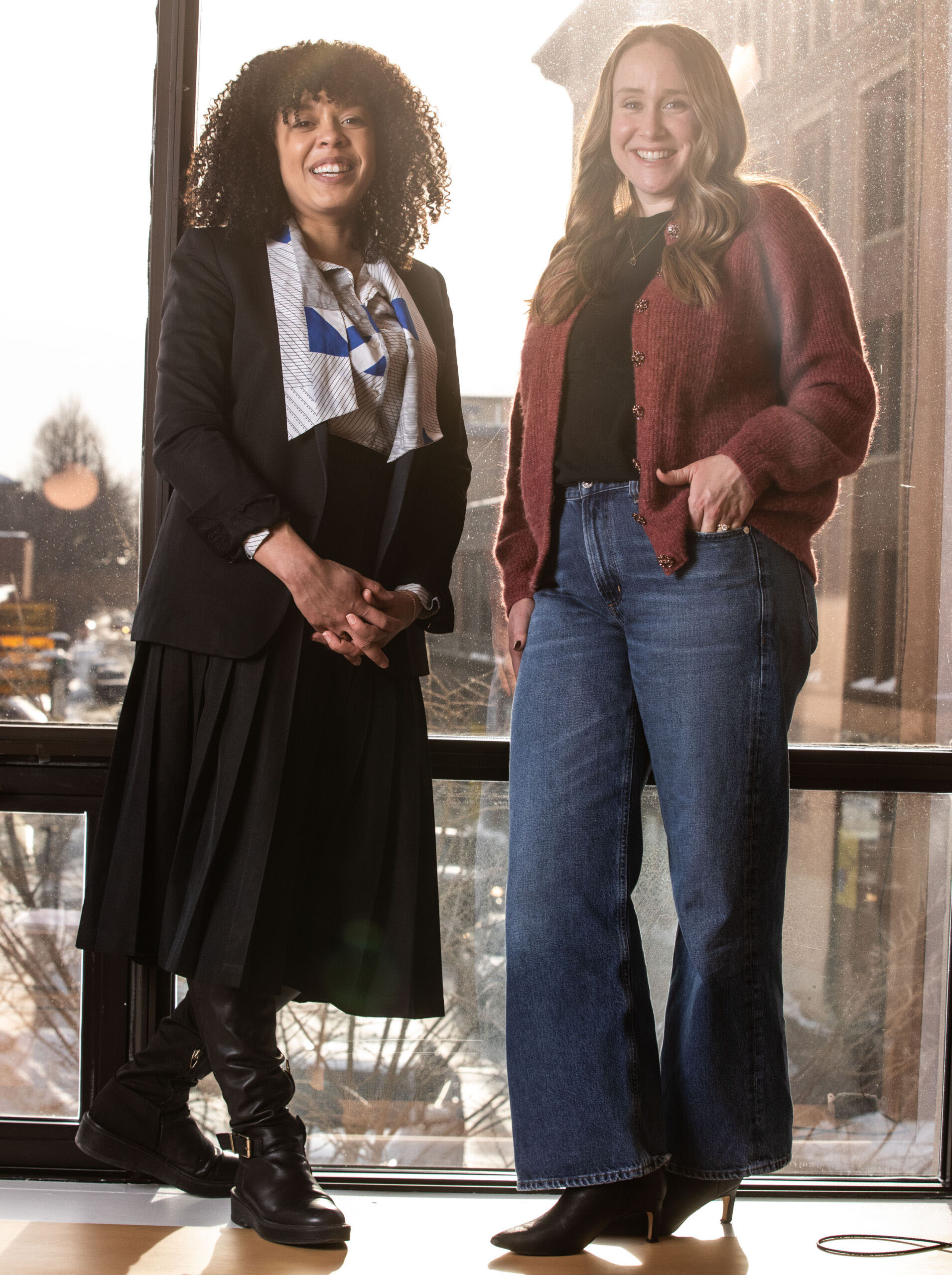
Lily Sargeant and Caroline Easley at Wagner Foundation’s Central Square offices.
Spotlight on Philanthropy
Multiplying impact with Wagner Foundation
FOUNDED IN 2005, Wagner Foundation made the decision to establish its offices in Central Square in 2023, building roots in the heart of social impact in Cambridge. This private foundation, dedicated to economic well-being, health equity, and arts and culture, has been a steadfast CCF partner for years. Not only does it provide crucial institutional support for CCF, but it also joins us in funding promising initiatives like BAY-CASH.
Lily Sargeant and Caroline Easley at Wagner Foundation’s Central Square offices.
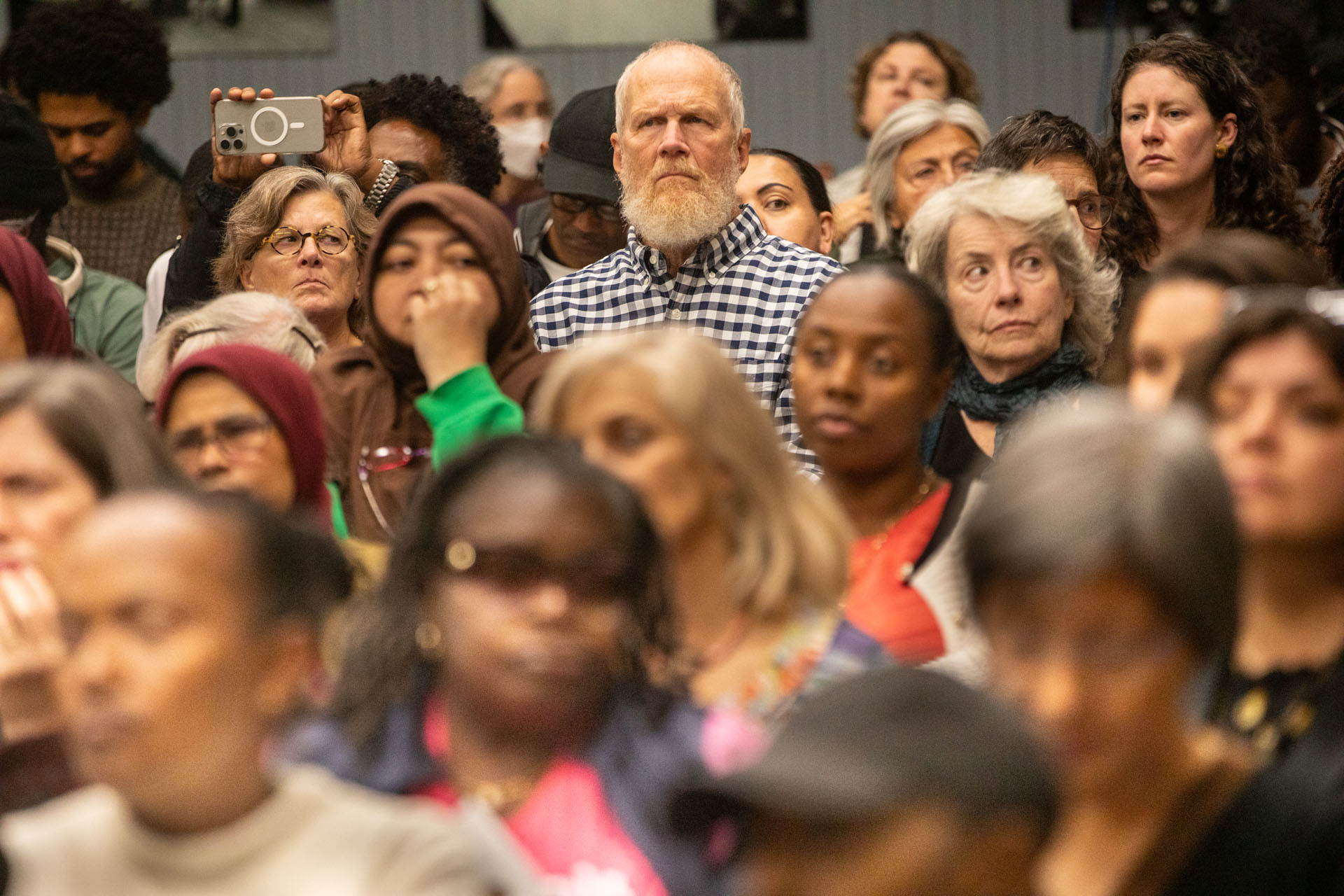
Attendees at “First They Listen,” our October 23rd pre-election community forum, where city council candidates heard directly from Cambridge residents with lived experience. Hosted in partnership with CEOC and Cambridge YWCA.
Igniting collective action
Igniting collective action
Attendees at “First They Listen,” our October 23rd pre-election community forum, where city council candidates heard directly from Cambridge residents with lived experience. Hosted in partnership with CEOC and Cambridge YWCA.
An invitation to participate
WHEN WE SAY the Foundation is of and for all of Cambridge, we mean that the people of the community are at the heart of everything we do. From the donors who increase the dollars we can give to nonprofits, to the residents who help decide where our grants will go, to the neighbors who lend their voices to important conversations we convene, the collective spirit of Cambridge grounds our work. Here are two ways CCF engages the community.
Co-investors support local nonprofits
EVERY YEAR, OUR Community Fund supports Cambridge nonprofits that provide programming in education, health and wellbeing, food, housing, community building, and the arts. In 2025, CCF distributed a record 161 grants totaling more than $1.5 million to nonprofits through the fund. We increased our grantmaking by 45 percent thanks in large part to a special group of people who matched our contributions with their own. We call them co-investors. They demonstrate the superpower of a community foundation: collective giving, where together, individual donors can pool their money to make a greater impact in their community.
Community reviewers lead our grantmaking
In 2025, A RECORD NUMBER of nonprofit and civic leaders, students, retirees, and neighbors—50 in total—joined us to make decisions about our grantmaking.
“Community reviewers are essential to CCF’s collective, consensus-driven evaluation of each grant application,” says Danny DiCamillo, senior programs and grantmaking associate. “People are so eager to have these conversations about their community, and it’s a privilege to create the space for that.”
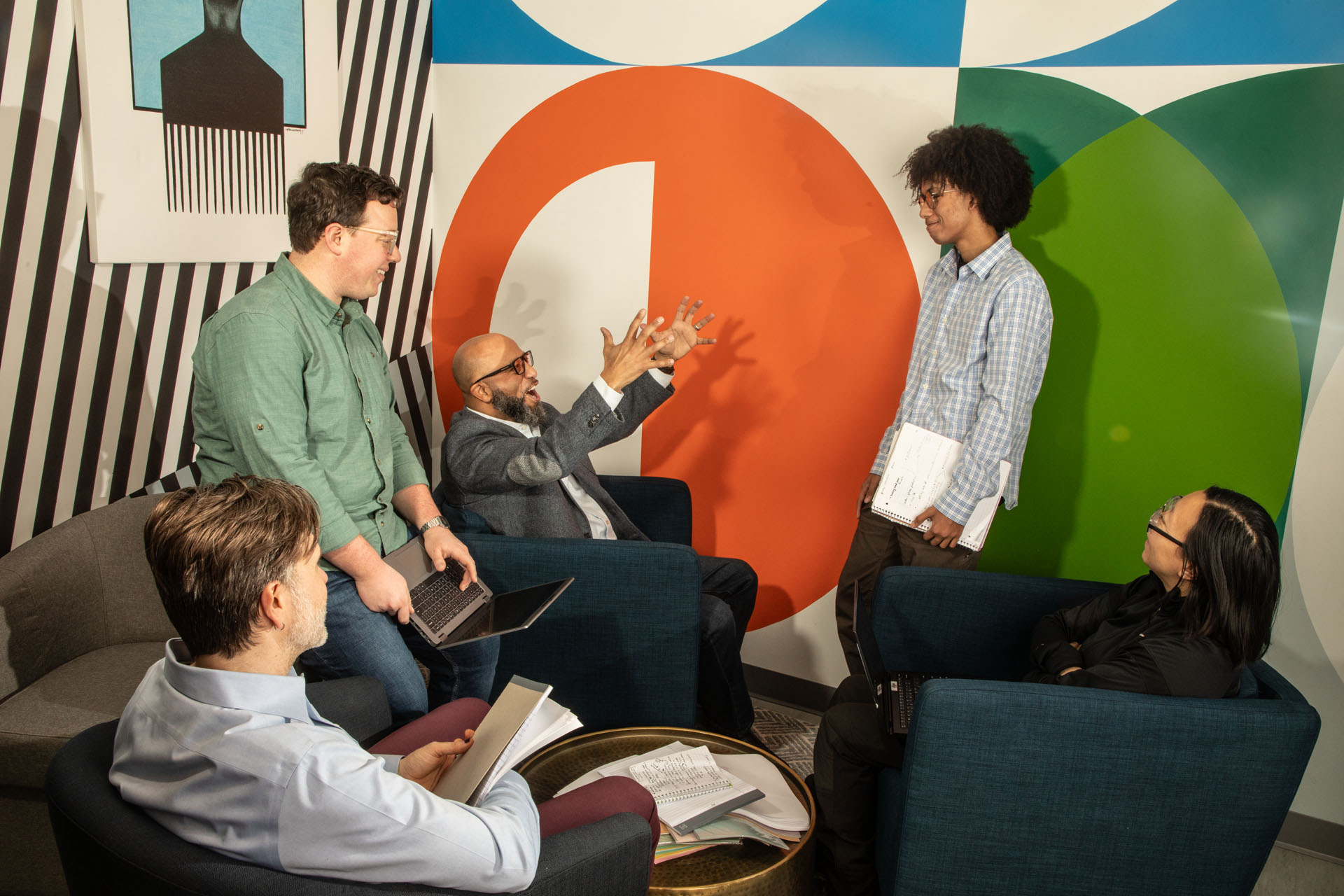
Danny DiCamillo, in green, with community reviewers (left to right) Matt Landry, Ty Bellitti, Abel Asefaw, and Chunying Yue.
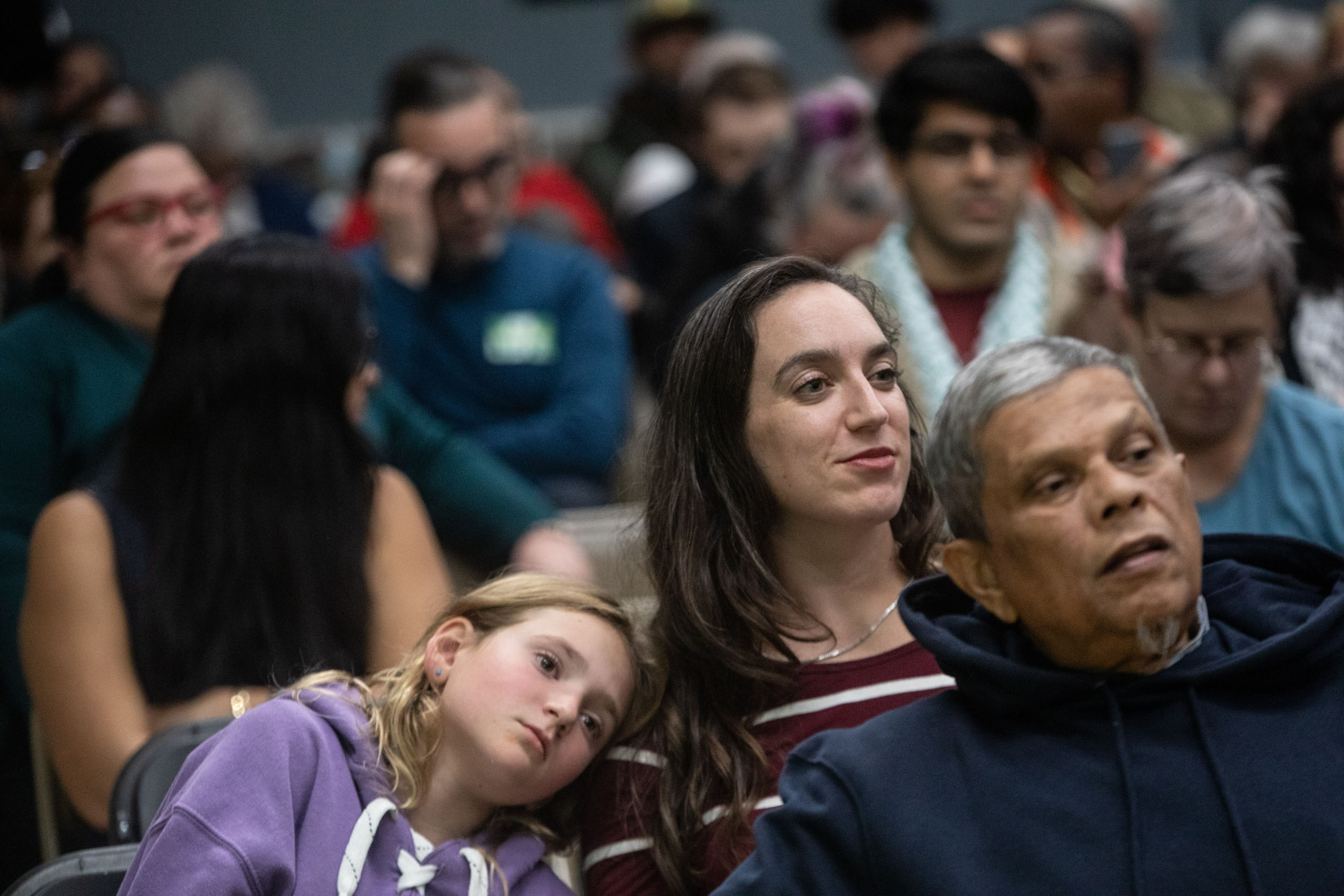
Forums inspire community discussion
IN ADDITION TO CO-INVESTORS AND COMMUNITY REVIEWERS, we strive to bring community voices into important conversations—especially voices that are not often heard. We bring residents to the table so we can all learn together and find ways to support the well-being of our community.
Raquel, a Cambridge mother of three, was one of several speakers at “First, They Listen,” our city council candidates forum co-hosted by CCF, CEOC, and YWCA Cambridge in the fall of 2025. She spoke passionately about the impact of food insecurity on her family.
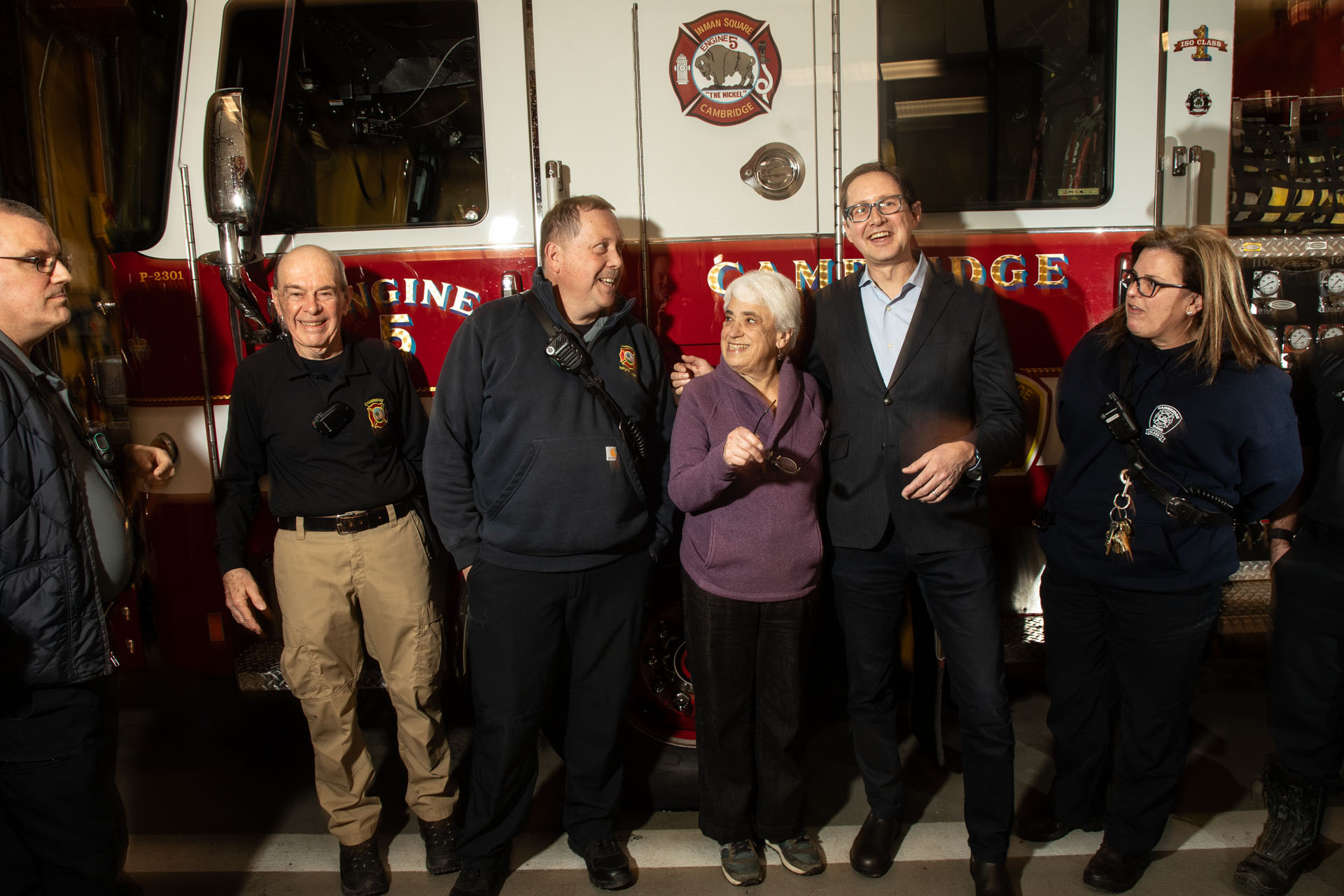
Diane Paul and Todd Sperry with the Cambridge Fire Department’s John Gelinas, Sean White, and Margaret Carrigan at the Inman Square Fire Station.
Spotlight on Philanthropy
Ralph Chapman leaves a legacy of service
APART FROM HIS SERVICE in World War II, longtime Cambridge firefighter Ralph Chapman spent his 97 years in Mid-Cambridge. When he passed away in 2020, he left a charitable bequest in the hands of his longtime neighbor and friend Diane Paul, who decided to do good for Ralph’s hometown.
“Ralph was a true Cantabrigian,” says Diane, who is the executor of Ralph’s will. “He was born in Cambridge, married a local girl, and lived his whole life here. But more than that, he was friends with people from all walks of life. His circle reflected the special diversity of our city.”
Diane Paul and Todd Sperry with the Cambridge Fire Department’s John Gelinas, Sean White, and Margaret Carrigan at the Inman Square Fire Station.
Looking ahead with our donors and supporters in mind
Looking ahead with our donors and supporters in mind
IN A TIME OF COMPLEX CHANGE, the Cambridge Community Foundation needs to be ready, nimble, and steady.
This year, we adopted a new corporate structure that opens a wider horizon for us all. It gives CCF the flexibility and creativity to connect with donors on the issues they care most about, to collaborate in new ways, and to act more quickly and boldly on behalf of Cambridge. We are only at the beginning of unlocking what this model makes possible, but it is already positioning us to work in new ways with family trusts and financial advisors to offer a wider choice of investment opportunities and to deepen our partnerships in ways that will benefit the community for decades to come.
At its heart, this report is a tribute to our donors and supporters who make civic leadership possible. You are our partners in making good. You contribute not only your dollars, but also your ideas, your time, and your presence. You serve on committees. You attend community events. You volunteer with our nonprofits. You sit on boards, support grantees, and help bring new opportunities to life. Our foundation—and our city—thrive because you are engaged and invested.
Thank you for being the backbone of this foundation. You enable us to be innovators in philanthropy and lean into the future. Because of you, we can respond to what Cambridge needs next.

WE INVESTED
IN COMMUNITY
WE INVESTED
IN COMMUNITY
| Category | Percent |
|---|---|
| Philanthropic Partnerships | 49.3% |
| Strategic Grantmaking | 17.8% |
| Responsive Grantmaking | 32.9% |
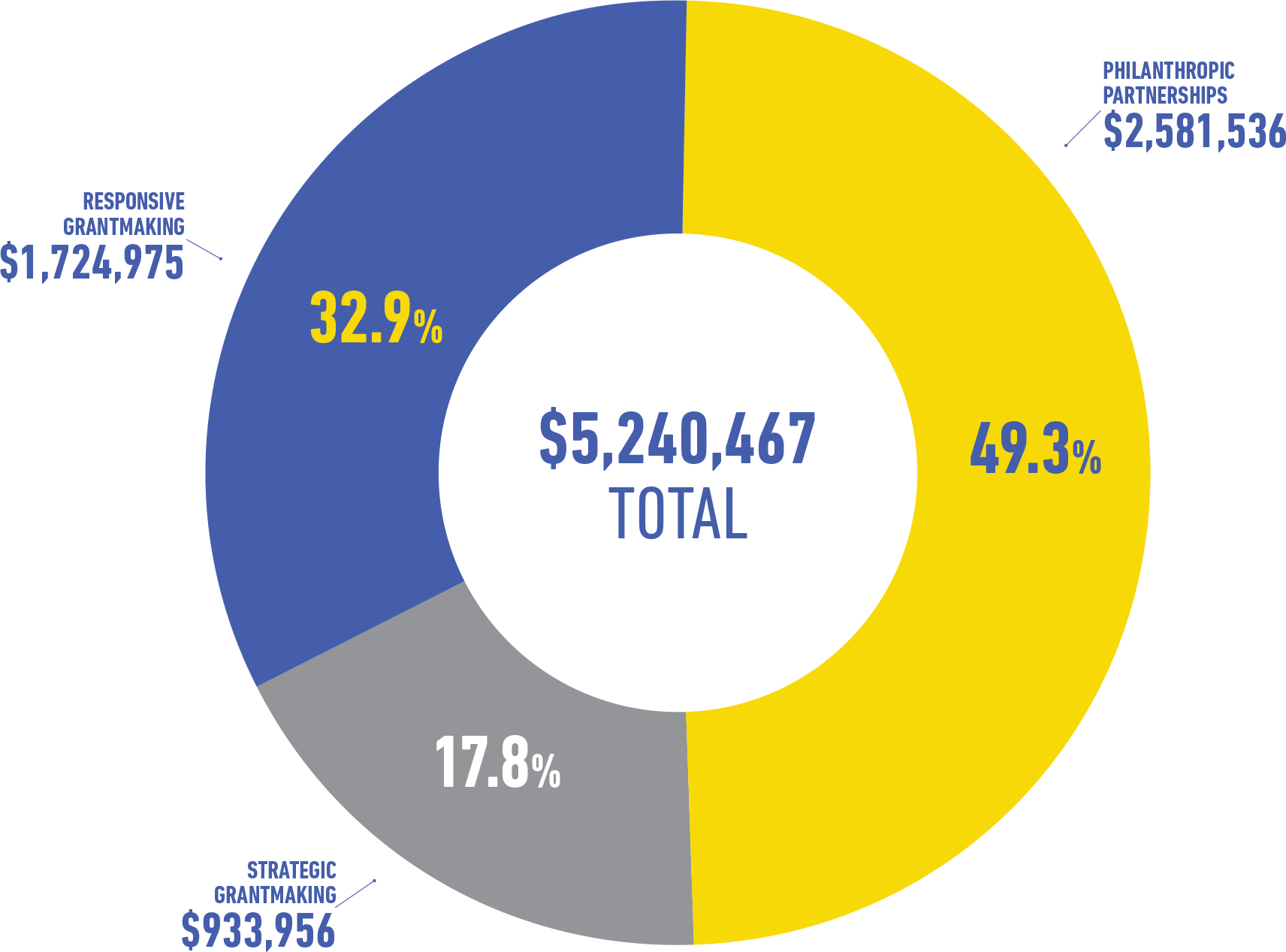
IN FISCAL YEAR 2025 we invested more than $5.24 million in community, the most in CCF’s history and up nearly $800,000 from 2024. To address rising community needs after federal policy shifts, we increased our responsive grantmaking by 52 percent, reactivated urgent-needs grantmaking, and continued investing in food security. We also planted the seeds for our second strategic initiative, Culture Connects Cambridge, which supports belonging through arts and culture while helping our donors achieve their philanthropic goals. We’re incredibly grateful to the donors, nonprofits, and civic leaders who are partnering with us to solve the city’s most pressing social problems and helping create a community where everyone can thrive.
Responsive Grantmaking
52%
Increased Responsive Grantmaking

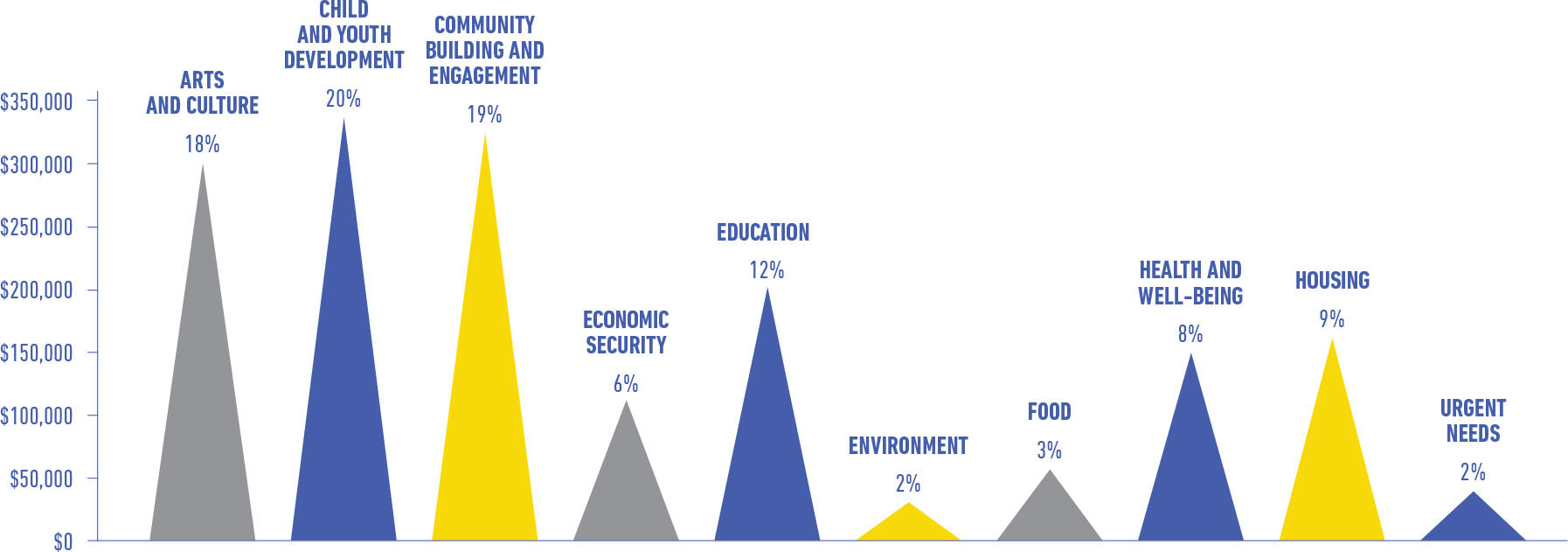
THIS FUNDING RESPONDS to needs expressed by our community by support-ing more than 170 nonprofit organizations serving Cambridge. The Community Fund, the Urgent Needs Fund, sponsorships, and multiyear grants are included in the total. The Community Fund, built by donors for over a century, makes up the largest por-tion of our responsive grantmaking.
| Category | Percent | Amount |
|---|---|---|
| Arts & Culture | 19% | $327,745 |
| Child & Youth Development | 20% | $344,995 |
| Community Building & Engagement | 19% | $327,745 |
| Economic Security | 6% | $103,499 |
| Education | 12% | $206,997 |
| Environment | 2% | $34,500 |
| Food | 3% | $51,749 |
| Health & Well-Being | 8% | $137,998 |
| Housing | 9% | $155,248 |
| Urgent Needs | 2% | $34,500 |
STRATEGIC
Grantmaking
| Category | Percent |
|---|---|
| Food Access and Security | 57.4% |
| Resident Engagement | 9.1% |
| Social Innovation | 2.7% |
| Arts and Culture | 4.6% |
| Education Access and Success | 26.2% |
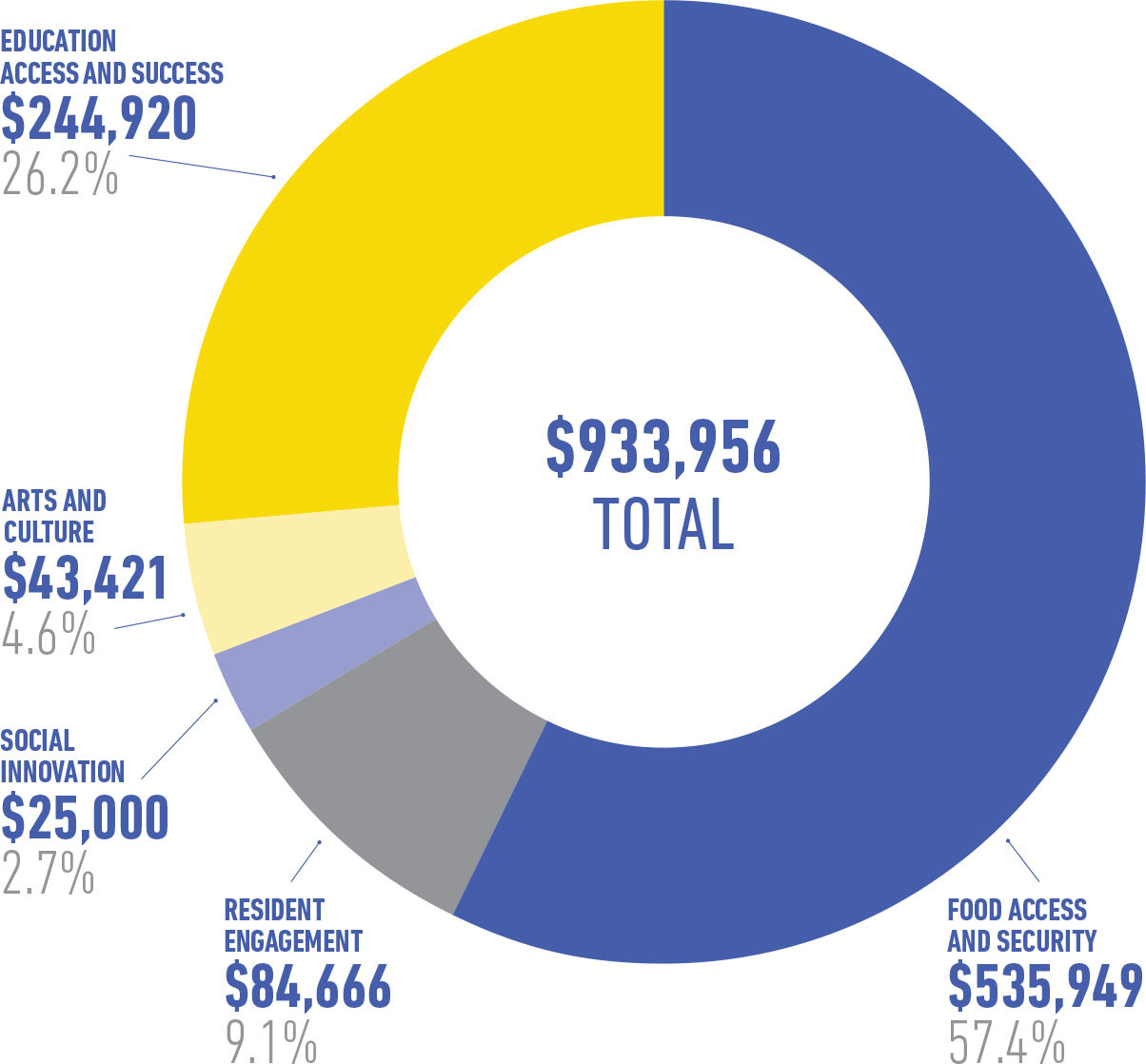
CCF INVESTS in projects and initiatives that address systemic problems and that support our goals of reducing economic disparities and strengthening community bonds. In FY25, the largest chunk of funding went to our Food Access and Security Initiative, and we laid the foundation for our second strategic initiative, Culture Connects Cambridge.
Our groundwork in FY25 led to the FY26 launch of Culture Connects Cambridge, a $1.4 million multiyear investment in nonprofits to extend arts, culture, and belonging.
Economic Mobility
FOOD ACCESS AND SECURITY
$535,949
CCF Investments in eight projects supporting the emergency food-distribution system. (Total dollar amount is combined with Massachusetts Community Development Block Grant funding.)
EDUCATION ACCESS AND SUCCESS
$244,920
Scholarships, including the Parmenter Fund Scholarship at Harvard, Falcon Pride, and other named scholarships.
THRIVE! equity audit for Cambridge Public Schools funded by CCF.
SOCIAL COHESION
Arts and Culture
$43,421
Arrow Street Arts Fund subsidies for affordable Cambridge spaces for artists.
Grants to arts and culture organizations during the development of Culture Connects Cambridge.
SOCIAL INNOVATION
$25,000
Imagined in Cambridge! Awards to five grassroots solutions to hyperlocal problems.
RESIDENT ENGAGEMENT
$84,666
Cambridge WINS sponsorships for youth summer sports programs.
Local News Inc.’s second year of funding to support local journalism.
Cambridge Community Land Trust seed grant.
Philanthropic
Partnerships
| Category | Percent |
|---|---|
| Philanthropic Grantmaking | 16% |
| Other | 84% |
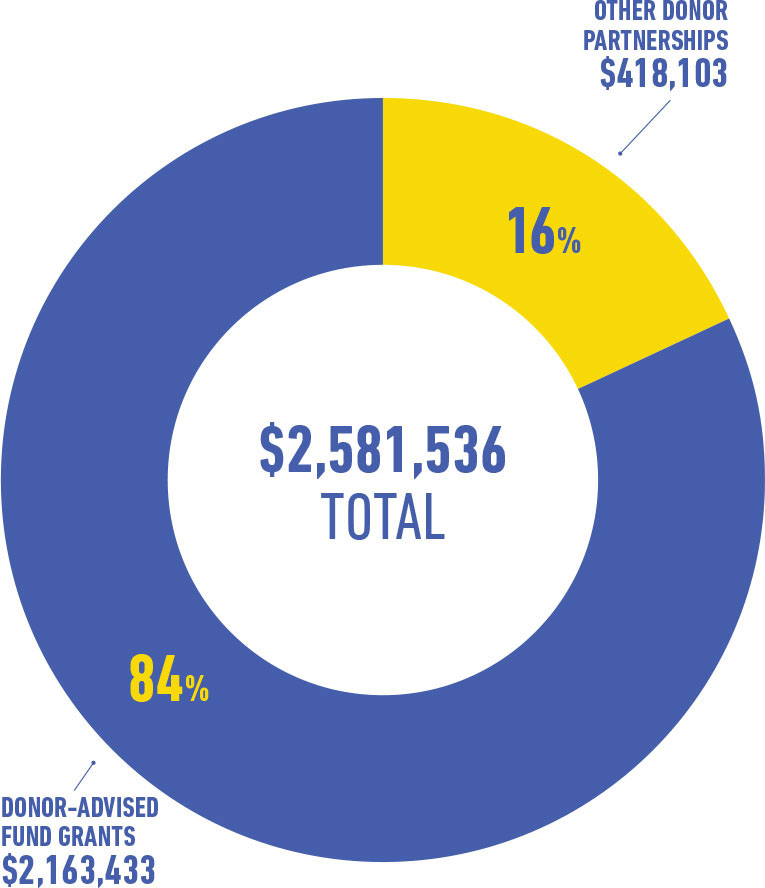
CCF IS A HOME for funds. We partner with a wide array of fundholders—individual donors, families, organizations, and companies—to help them realize their philanthropic goals locally and beyond. Our fundholder services are defined by thoughtful connections, strategic investments, and pooling resources for greater impact. Thanks to these relationships and the generosity of our fundholder community, our philanthropic partnership grants increased by 25 percent over FY24.
279
Total Grants
25%
Increase over Prior Year
82%
DAF Grants Stayed Local
Impact BEyond the Dollars
582
582
Total Number of Grants
208
208
Nonprofits Funded
50
50
Community Reviewers
28
28
Named Scholarships
6
6
Strategic PartneR Convenings
1,085
1,085
Donations
OUR STEADFAST PARTNERS
CCF PARTNERS WITH AN INCREDIBLE group of individuals, families, businesses, and foundations that prioritize the well-being of Cambridge and its people. We are so grateful to our 2025 donors. They are custodians of the future, committed to making the city an equitable, just, and vibrant place to live through their philanthropic investments. They’re helping to make Cambridge a place where every resident has opportunities to thrive, connect, and belong.
Everything we do is a partnership with our donors. We’re honored to list all our FY25 donors here.
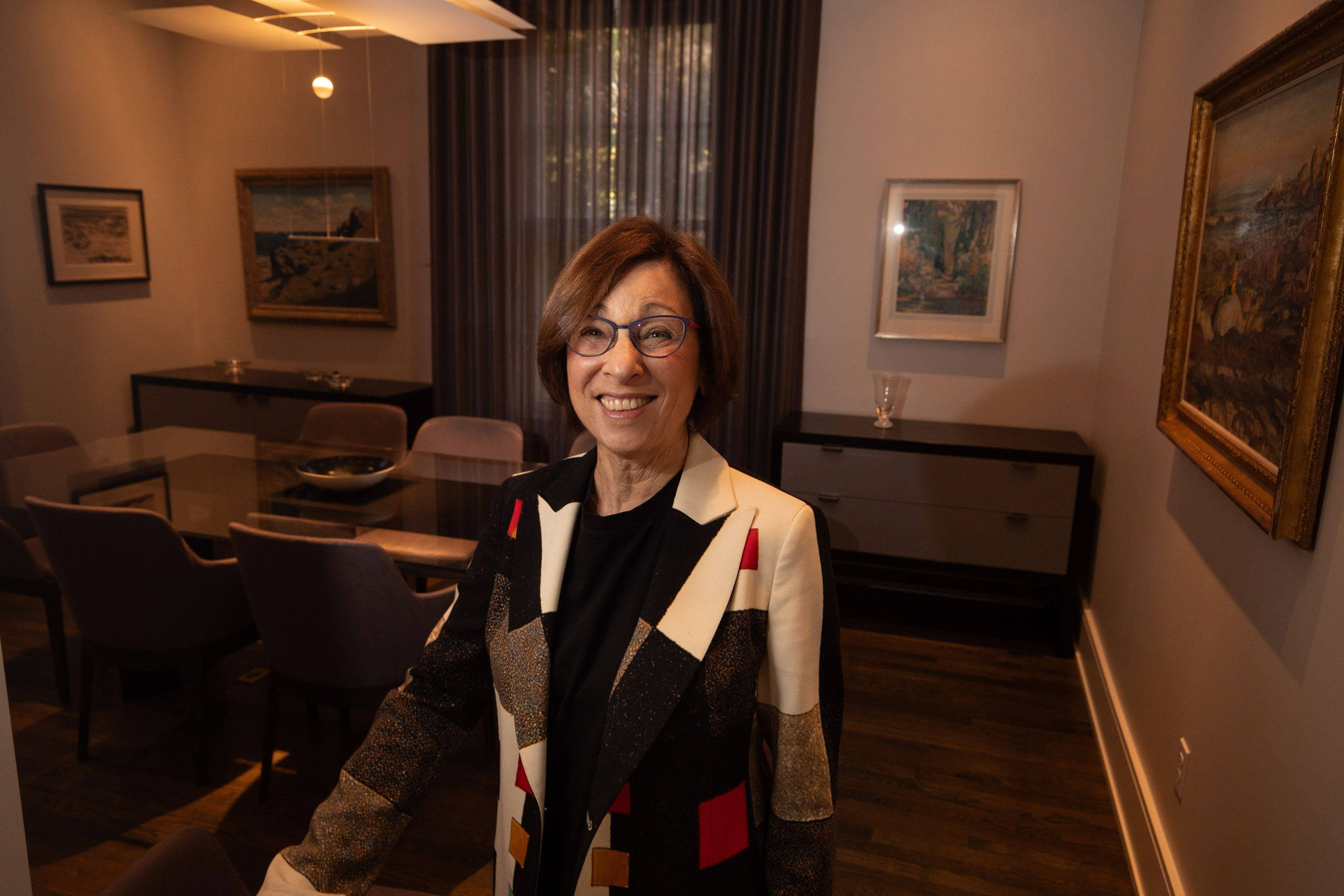
“I have seen what CCF does, and I trust them entirely to direct funds for the good of our community.”
—Wendy Weiss
FINANCIAL ADVISOR Wendy Weiss describes herself as living in a West Cambridge “bubble.” That changed when she met CCF president Geeta Pradhan at a breakfast in 2018 and became a community reviewer.
MAKING GOOD CORPORATE PARTNERS
OUR MAKING GOOD CORPORATE PARTNERS are local business and community leaders that prioritize social responsibility and provide critical financial support that makes our work possible. Thanks to their annual support and leadership, CCF can address Cambridge’s most pressing problems.
Lead
PRESENTING
CHAMPION

PATRON
supporter
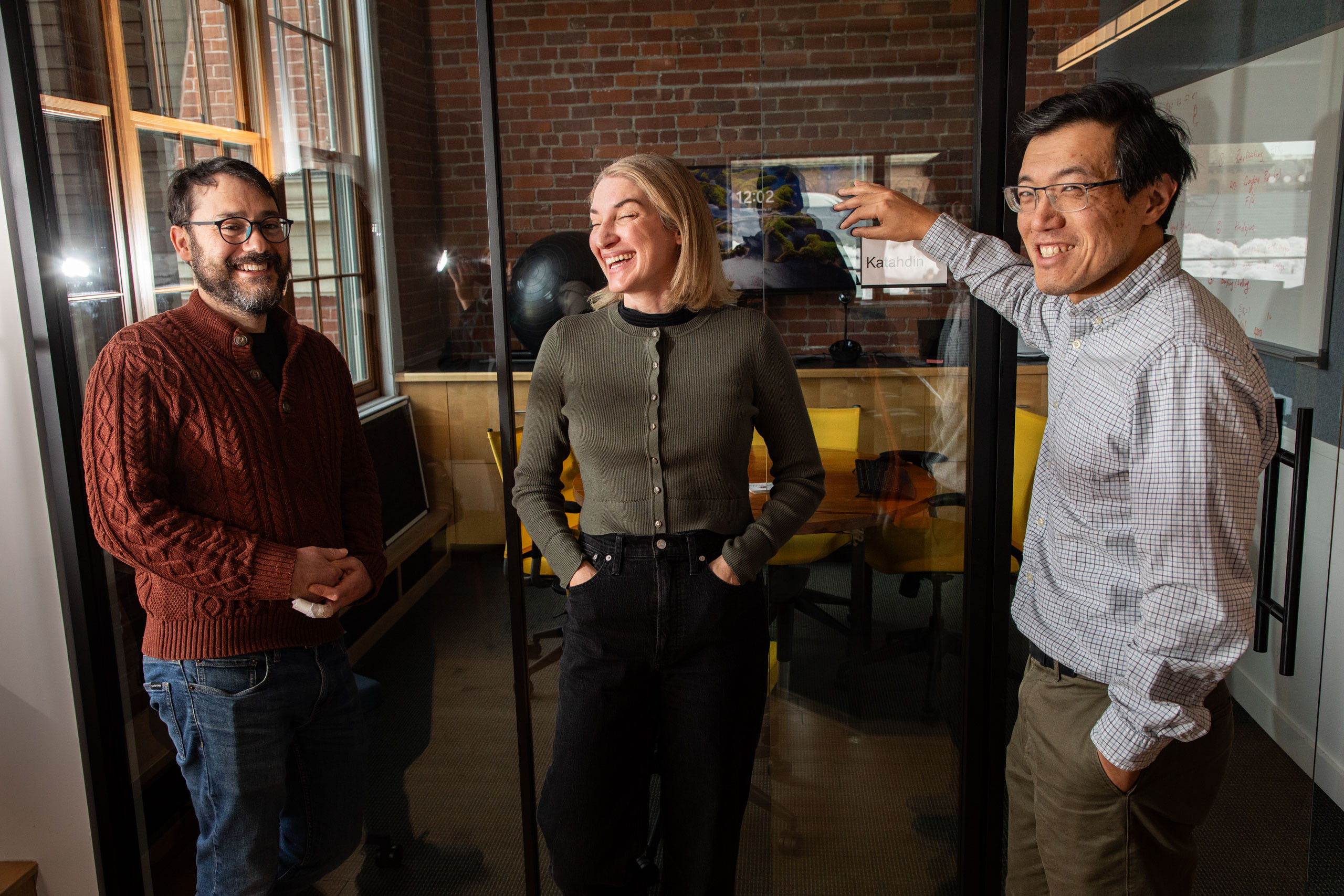
Appian Way Energy Partners’ Tal Levy, Ann Marie Augustus, and Dong Shen at their offices near Harvard Square.
“Cambridge is a great city. It’s very cosmopolitan and international— a terrific place to locate.”
—Abram Klein
WHEN THE CO-FOUNDERS of Appian Way Energy Partners were choosing where to establish their firm a decade ago, geography settled the question quickly. Dong Shen lived on one side of Harvard Square, Abram Klein on the other.
Appian Way Energy Partners’ Tal Levy, Ann Marie Augustus, and Dong Shen at their offices near Harvard Square.
OUR FUNDS
CCF stewards 185 funds, including donor-advised, memorial, scholarship, and nonprofit funds, and endowments such as those that make up the Community Fund, which ensures that nonprofits can continue their work for years to come. We also receive funds from supporters who had the foresight to make Cambridge an integral part of their legacy. CCF is honored to serve as a home for these philanthropic intentions.
DONOR-ADVISED FUNDS
It is a profound honor to hold our donor-advised funds and to steward the philanthropic intentions of these donors locally and beyond.
Anonymous
88 Stories Fund
Albert O. Wilson Fund+
Alice Morris Sturges Fund**
Anna Lenihan Charitable Fund
Bartle Boghossian Family Fund
The Beberts Fund**+
Benbasset-Miller Fund+
Beth and Marty Milkovits Fund**
Bob Shea Memorial Fund**
Brady-Dall Family Fund+
The Calvin Innerarity Memorial Fund**+
Cambridge Trust Company Customers’ Fund
Children’s Fund
Civil Society Fund+
Cosulich Family Charitable Fund**
Cranna/Leichtman Donor Advised Fund
Derek and Ellen van Bever Foundation
Endries Family Fund**
Gail Roberts Fund
Gardiner Family Fund**
Gilbert Fund+
Grudzinski Bowden Family Fund**+
Gwyn Gallagher Fund for Cambridge
Hodder Fund for Learning and Teaching
Impact Fund**
Jackson Family Fund**
Jean K. Mason Fund**
Jinny Chalmers Fund for Education Justice**
John R. Moot Fund
Johnson Family Fund
Kaveri Foundation**+
Kowalski Loveall Fund**+
Laskin Fund for Cambridge**
The Lauterbach-Sturges Charitable Fund**+
Mann’s Hill Fund
Matthew Glidden Charitable Fund
Mina Reddy Fund**
Oaktree Appellant’s Group: Affordable Housing Fund
Opportunity Fund**
Philo Impact Fund
Pradhan Family Fund
RBS04 Fund
Reid Family Fund
Social Justice Works! Fund
Sonia F. Turek Fund**
St. Onge Family Fund**
Vaillant Family Fund
Viney Wallach DAF**+
Virginia M. and George E. Wilson Campers Fund**
Wernick-Hansman Family Fund**+
Lists are current as of February 28, 2026.
** A FY25 addition to a donor-advised fund
+ Newly established funds
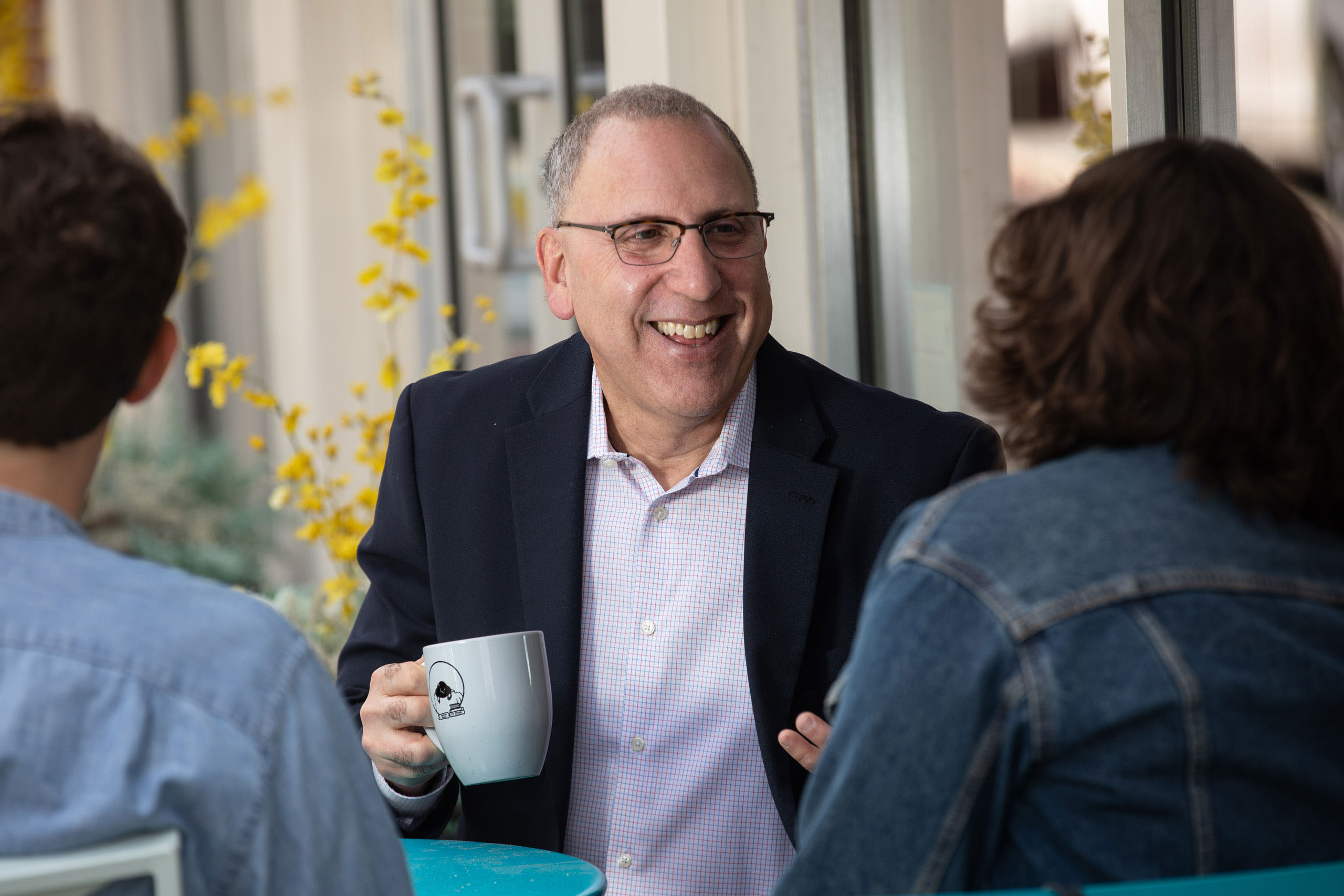
“You’re making your philanthropy work harder when you invest through CCF.”
—Larry Wallach
PHILANTHROPIST LARRY WALLACH faced a dilemma: He and his wife, scientist Jo Viney, held a donor-advised fund that was invested with a major financial institution, while their grants supported social justice.
FOUNDATION FUNDS
CCF is the trusted philanthropic partner of generations of fundholders.
Anonymous (2)
Alan Steinert Fund
Albert O. Wilson Fund
Alfred Della Paolera Scholarship Fund
Alice Wolf Early Education and Care Fund
Americo J. Francisco Charity
Americo J. Francisco Elder’s Fund for East Cambridge
Anne H. and Dwight E. Harken Fund
Anne Longfellow Thorp Fund
Arrow Street Arts Fund
Arthur L. and Geneva T. Malenfant Fund
BankBoston Fund
Biogen Idec Fund for Cambridge
Bob Moses Fund for Education and Organizing
Cambridge/Agassiz/Harvard Community, Culture, and Recreation Fund
Cambridge Art Association Fund
Cambridge Community Foundation Leadership Fund
Cambridge COVID-19 Emergency Fund
Cambridge History Museum Fund+
Cambridge SNAP Fund
Carol and Sherwood Bain Fund
Casimir and Elizabeth de Rham Fund
Chamberlin Fund
Charlotte and Irving W. Rabb Fund
Cornelia Balch Wheeler Fund
Cultural Capital Fund
David Morganelli Scholarship Fund
Detlev and Dorothy Vagts Fund
Diane Bushner Memorial Fund
Education Equity Fund
Eleanor Balkind Friedman Fund
Eleanor Roberta Walker Scholarship Fund
Falcon Pride Scholarship Fund
Food Security Fund
Friends of Jerry’s Pond Fund
Guaranteed Basic Income Fund
Head Of The Charles Regatta Fund
Henry Hall Fund
Horace O. Bright Fund
Housing Stability Fund
Hurlburt Legacy Fund for Cambridge
Imagined in Cambridge! Fund
J. Jonas Fund
J. Preston Rice Memorial Fund
James Jerome Sullivan Fund
Judge Charles Almy Fund
Judy and Bill Bibbins Fund
Karnovsky Fund
Legends Live Forever, Xavier Louis-Jacques Scholarship Fund
Leo H. Dworsky Fund
Local News Fund+
Mary Mohrer Peer Counselors Fund
Mrs. Marion Eiseman Fund
Mylestones: The Myles P. Vercruysse Memorial Fund
Nan Haar Fund
Natalie Zinn Haar Civic Leadership Fund
Open Software Foundation Fund
Parmenter Fund
Pathway for Immigrant Workers Fund
Patricia and Herbert W. Pratt Fund
Patricia Weiland Stavely Memorial Book Fund
Paul and Martha Lawrence Fund
Paul R. Corcoran Fund
Ralph and Beryl B. Beatley Fund
Ralph W. Chapman Jr. Memorial Fund
Resident Services Empowerment Fund
Richard H. and Amy L. Bird Fund
Rick Harriman and Kristen Wainwright Civic Leadership Fund
Rindge School of Technical Arts Fund
Ronald Novendstern Fund
Ruth and Edith Lindblom Fund
Ruth W. Motherwell Fund
Sara M. Bass Fund
Sarah Hope Moulton Fund
Sheila Gamble Fund
Special Fund
Spirit of Cambridge Fund
Spirit of Elaine Fund
Stanley Lawton Fund
Starlight Forever Fund+
Strategic Grantmaking Fund
Synectics Inc. Fund
Teaching Philanthropy Fund
Theodora Keith Fund
Timothy and Joseph Traversy Fund
Tufts Health Plan Fund
United Legal Defense Fund
Urgent Needs Fund
Val Hinderlie Scholarship Fund
Walter F. Earle Fund
Walter Knight Sturges Fund
Zandy Bard Fund
+ Newly established funds
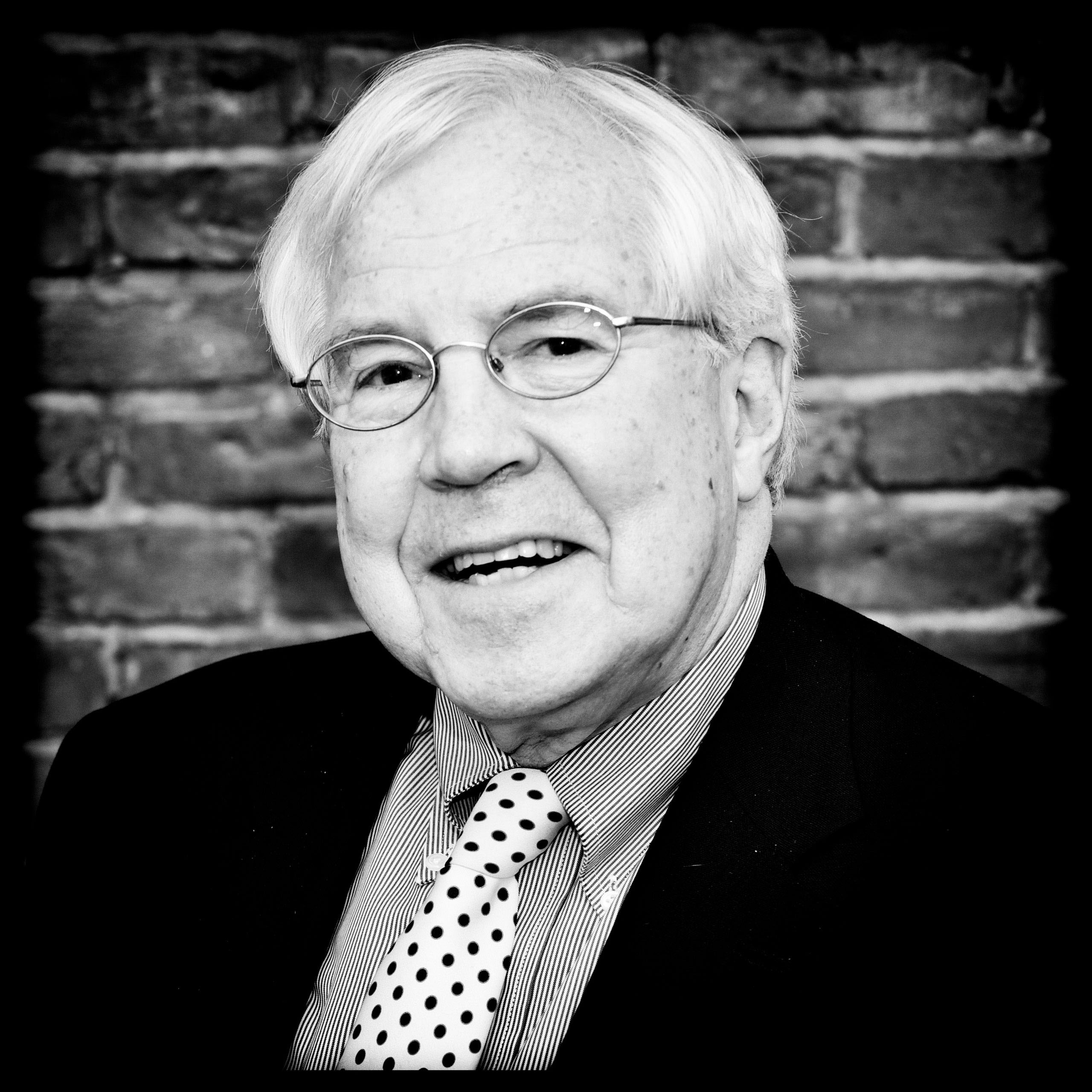
In loving memory of
Bob Hurlbut
(1937–2025)
Former executive director
Cambridge Community Foundation
LEGACIES
The Cambridge Community Foundation recognizes the following donors, who have established a legacy by including the Foundation in their estate plans through a bequest or other planned gift. We are grateful to these donors for their foresight and generosity in establishing new funds or growing existing funds at the Foundation in a broad range of areas.
Maurice Anderson*
Harry R. Andrews
Anne Silber Charitable Fund
Carol* and Sherwood* Bain
Betsy and Joel Bard
Betty* and Art Bardige
Sara M. Bass*
Lauren and Jared Cosulich
Sy Danberg
C. Lansing Fair* and Julia M. Fair
Natalie Zinn Haar*
Hurlbut Legacy Fund for Cambridge
Rosemarie and Steve Johnson
Daniel Kern and Darlene Carson
Margaret Lampert
Susan Marcy Leland*
Winifred Lenihan
Pam and Spike Lingel
Ellen Moot*
Arthur F. Musgrave*
Geeta Pradhan
Patricia Pratt*
Charles H. Rathbone*
Robert C. Reid*
Barbara Rimbach*
Diane C. and George E. Wilson
* Deceased
WE WANT TO THANK ALL OUR DONORS for their generous gifts. We have made every effort to list our donors accurately, but if you find an error, please help us update our records by emailing us at [email protected].
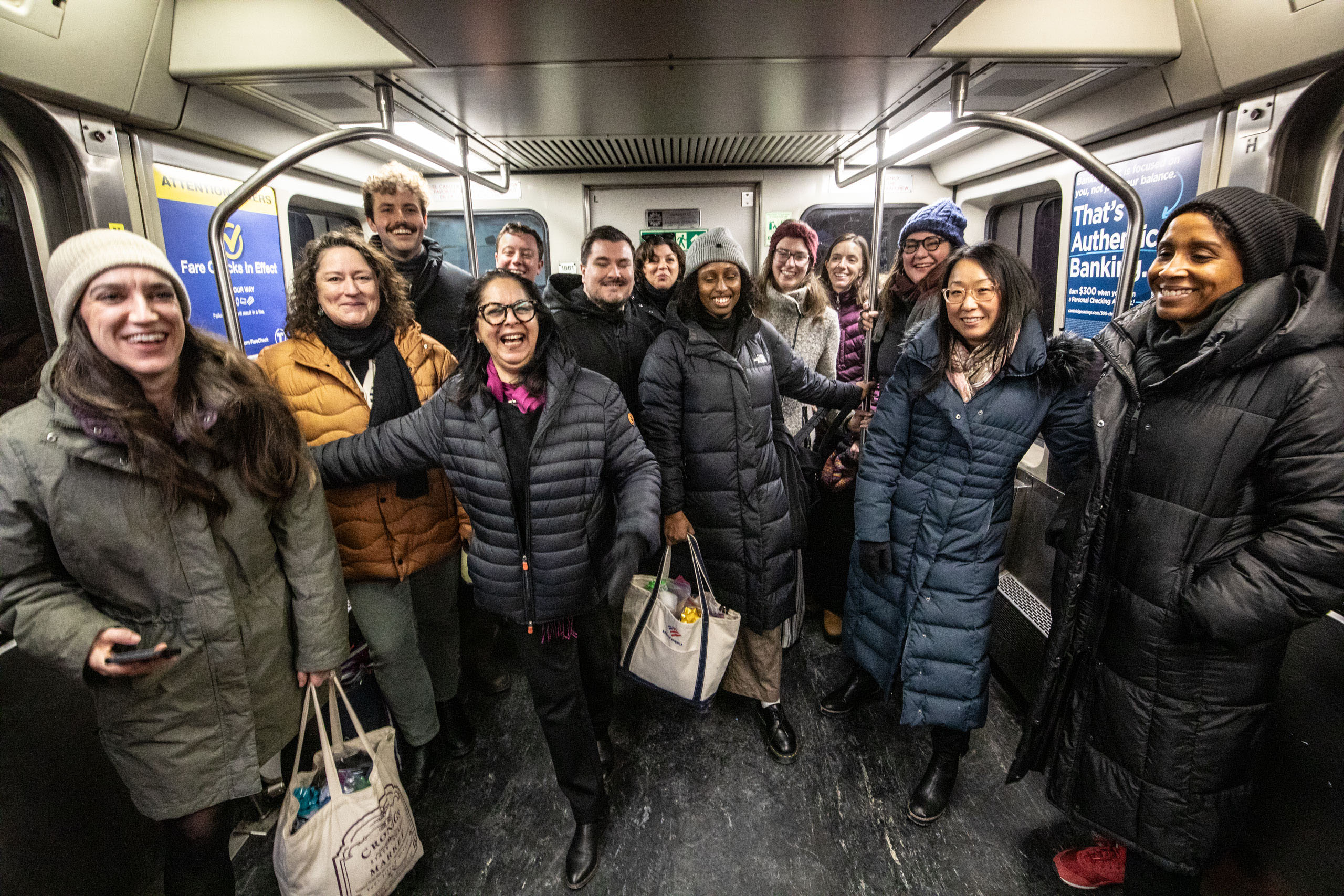
Next Stop:
Making Good
Making Good
ACKNOWLEDGEMENTS
BOARD OF DIRECTORS
Phil Johnson, Chair
Ham Lord, Vice Chair
Beth Milkovits, Clerk
Andus Baker
Ty Bellitti
Frantz J. Bien-Aime
Brian E. Burke
Lauren S. Cosulich
Judith A. Cranna, CFA
Ed Feijo
Raffi Freeman
Sarah Gallop
Rick Grudzinski
Eric U. Henderson, CPA CFA
Daniel Kern
Winifred Lenihan
Michael Monestime
Gail Roberts
James Roosevelt Jr.
Denis Sheahan
Todd Sperry
Rev. Lorraine Thornhill
CCF warmly welcomes Eric U. Henderson as he starts his FY26 term. In addition, many thanks to George Beal, Michelle Hicks, Andrew Bannon, Lori Lander, and Kelwin Conroy Newman for their service on CCF Board committees.
PROFESSIONAL ADVISORS COUNCIL
Bill Laskin, Co-chair
Wendy Weiss, Co-chair
Brad Bedingfield
Abhijeet Bhutra
Lauren S. Cosulich
Leslie Ditrani
Kristin N.G. Dzialo
Carrie A. Endries
Kathy Gasperine
Tim Mazanec
Beth Milkovits
Sarah Mooren
Alexander Olson
Sarah Wulf
We warmly welcome Kathy Gasperine and are grateful to David Strachan for his years of service to the PAC, ending in 2025.
STAFF
Geeta Pradhan, President & CEO
Elizabeth Patton, Chief of Staff
Ellen C. Varney, Chief Financial Officer & Treasurer
Lauren Marshall, Vice President of Marketing and Civic Engagement
Michal Rubin, Vice President of Philanthropic Partnerships
Christina Turner, Vice President of Programs and Grantmaking
Liz Ackerson, Donor Relations and Systems Manager
Danny DiCamillo, Senior Programs and Grantmaking Associate
Carrie Eason, Administrative Associate
Wen Lo, Controller
Saynab Maalin, Grant Operations Associate
Joanna Mawhinney, Senior Manager, Programs and Grantmaking
Jenny White, Senior Digital Communications Officer
Jennie Woo, Director of Development
Gabe Ziaukas, Communications Officer
CCF warmly welcomes new staff members Ellen Varney, Saynab Maalin, and Joanna Mawhinney. A heartfelt thank you to Geoff O’Connell, Brandon Solis, and Chris Landry for their years of dedicated service to the Foundation, and to our 50 community reviewers who helped make our grantmaking possible.
FEATURED PHOTOGRAPHY
We thank Mark Ostow, a Cambridge-based portrait photographer, for his powerful photos that capture our community making good together. Mark photographs politics on the national level, portraits for CCF on the local level, and everything in between. He also owns Cafe Zing in Porter Square, where you can often find him chatting with anyone who will talk to him.
ADDITIONAL PHOTOGRAPHY
Kayana Szymczak (Mel Hodder’s photo)
R. Vyastova (Bob Hurlbut’s photo)
WRITERS
Lauren Marshall
Gabe Ziaukas
Jenny White
EDITORS
Elizabeth Gehrman
Lauren Marshall
Jenny White
Design
Rest Design
Web Design
Neptune Web
Our 2025 annual report emerged from the talents of many hands and minds. CCF is deeply grateful to all those who made it possible.