Old problems, new solutions. Innovating through philanthropy.
Big problems require new ways of thinking and philanthropy can question, innovate, and pave the way for new solutions to be tested and advanced. Guaranteed income in Cambridge is one example.
In 2021, the Cambridge Community Foundation (CCF) partnered with Mayor Sumbul Siddiqui and Mayors for a Guaranteed Income to launch Cambridge RISE, a $1.6 million philanthropically funded guaranteed income pilot that provided $500/month to 130 single caregiver households with children for 18 months.
The City of Cambridge then took a historic step in 2023 by launching Rise Up Cambridge, a scaled $22-million cash assistance program funded by American Rescue Plan Act (ARPA) funds to provide monthly cash assistance to every qualifying family with children. A high-level goal of the program was to empower residents – particularly some of the city’s most vulnerable families – to decide how to best meet their basic needs and recover from the COVID-19 pandemic. Cambridge was the first US city to offer a non-lottery cash assistance program of this kind.
We are grateful for the cross-sector partnership that made RISE and Rise Up Cambridge possible: the City of Cambridge, Mayor’s office, Cambridge’s city manager and city councilors, the Cambridge Economic Opportunity Committee, UpTogether, Just a Start, Mass Law Reform Institute, Cambridge Housing Authority, and Mayors for a Guaranteed Income, Harvard University, MIT, and more than 60 donors who joined us in collective giving.
MDRC Research Study
Research is an essential tool for philanthropy, providing important evidence to support changes in policy and practice as we seek to find innovative solutions to entrenched issues in our community.
The final independent evaluation of Rise Up Cambridge, conducted by MDRC, is now available. This rigorous, outcome evaluation of Rise Up adds to earlier research from across the U.S. showing the promise of cash programs for families living in poverty.
Rise Up Cambridge demonstrated that direct cash assistance is a powerful stabilizing force for families living in deep poverty. Participants experienced measurable relief: less financial stress, greater ability to meet basic needs, and a meaningful buffer against the unexpected crises that define life at the economic margins. For nearly half of participants, the monthly payment combined with their regular income still wasn't enough to reach the federal poverty line. It is a stark reminder about the extent of economic stress that some families experience, and that stability and mobility are not the same thing. The path from one to the other is long, stepwise, and requires sustained investment. Rise Up didn't promise to end poverty, but it proved that cash works to stabilize families, and that keeping them from falling further behind is itself a profound and worthy goal.
The mixed-methods evaluation was based on a robust set of data, including surveys, in-depth interviews, and application data collected at enrollment. The study process centered around the perspectives of those living and working in Cambridge. It included community members who served on the Research Advisory Council and Community Researchers to guide the study and validate findings. The study reflected the diversity of Cambridge families living at or below 250 percent of the federal poverty level and provided valuable information about differences in outcomes for families with different characteristics such as race/ethnicity, income, and family structure.
The evaluation indicates that:
- Families reported less stress during Rise Up. Participants were grateful for the program, its features, and the support it provided, including reducing their stress, affording more time with family, and a sense of empowerment.
- Payments offered meaningful short-term financial relief. Many families used the funds to cover essentials, manage bills, reduce debt, and support their children.
- Experiences and outcomes varied across family circumstances. Families with relatively higher incomes (within the eligible range) were more likely to report being on a stronger financial footing during Rise Up and afterward.
- Material hardships remained after payments ended. For many families—especially those with the lowest incomes—financial strain and stress increased again once the payments stopped.
- The extensive outreach efforts combined with an easy and supported online application made Rise Up's citywide reach possible; while benefit waivers allowed participants to maintain their other benefits
While families got meaningful financial relief during the program, material hardships remained. For many families—especially those with the lowest incomes—financial strain and stress increased again once the payments stopped. Context matters here, and it is important to note that the program, was developed in response to the impact of the pandemic and coincided with inflation and rising costs of living.
Read the full research report.
If you have questions about this research, please contact Rise Up Research Project Director Allison Kroner Barron or download an overview document.
Participant perspectives
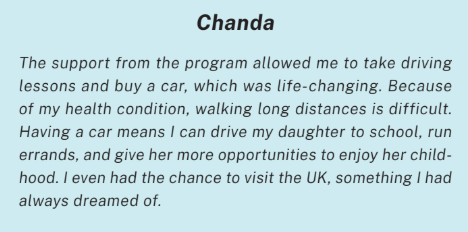
Alongside quantitative findings, the evaluation includes participant perspectives essential for understanding how Rise Up Cambridge was experienced in daily life. Through interviews, focus groups, and storytelling, participants shared how the monthly payments fit into their broader financial realities—highlighting both moments of relief and the ongoing challenges of living in a high-cost city. These perspectives deepen the findings by centering lived experience and illustrating how families navigated the program over time.


Why this research matters
As a community foundation, we believe that local solutions are stronger when they are built on evidence, community partnership, and transparent learning. This evaluation contributes to the national conversation about cash assistance by offering insight into:
- How short-term cash support can relate to stress, stability, and decision-making for families
- Why “one-size-fits-all” approaches may not fit the diversity of families experiencing poverty
- How future programs might consider targeting or tiering cash supports based on family circumstances and pairing cash with optional complementary services (such as financial coaching offered at multiple points during a program)
The findings also reinforce what we know about the long road from stability to mobility, especially in high-cost communities, and the importance of approaches that support families across generations, including education and post-secondary opportunity.
Findings from Cambridge’s guaranteed income pilot.
Cambridge RISE (RISE) launched in 2021 as part of a series of pilots affiliated with Mayors for a Guaranteed Income, which commissioned randomized controlled trial studies of the pilots through the Center for Guaranteed Income Research (CGIR) at Penn’s School of Social Policy & Practice (SP2).
Cambridge residents ages 18 and older were eligible to participate in RISE if they had incomes below 80% of the Area Median Income and were single caregivers with at least one child under the age of 18. Researchers randomly selected 130 participants to receive $500 monthly cash payments for 18 months, and they measured participant impact against a randomized control group of 156 similar residents who did not receive payments. The pilot ran from September 2021 to February 2023.
Released in March 2024, results from the study found that despite the pandemic-related stressors and inflation, as well as the associated increased cost of living, participants benefited from guaranteed income in several ways:
-
Higher employment
- Recipients increased their full-time employment rate from 36% at baseline to 40% after 12 months, while employment fell amongst the control group from 30% at baseline to 28% one year later. Recipients also seemed more likely to work part-time and seasonal jobs.
-
Improved financial health
- Recipients of the guaranteed income had higher average incomes than the control group at each point in the study, with the difference at six months reaching statistical significance;
- Recipients also appeared better able to sustain their incomes over time and appeared better able to cover a $400 emergency expense compared to the control group who did not receive cash assistance.
-
Greater stability in meeting basic needs
- By the end of RISE, the treatment group experienced a lower housing cost burden, utility costs that appeared more stable, and signs of lower food insecurity compared to the control group.
-
Increased time and space for parenting
- Guaranteed income seems to allow recipients to give more attention and support to their children; they, in turn reported better school experiences and outcomes for their children compared to similar families without the direct cash.
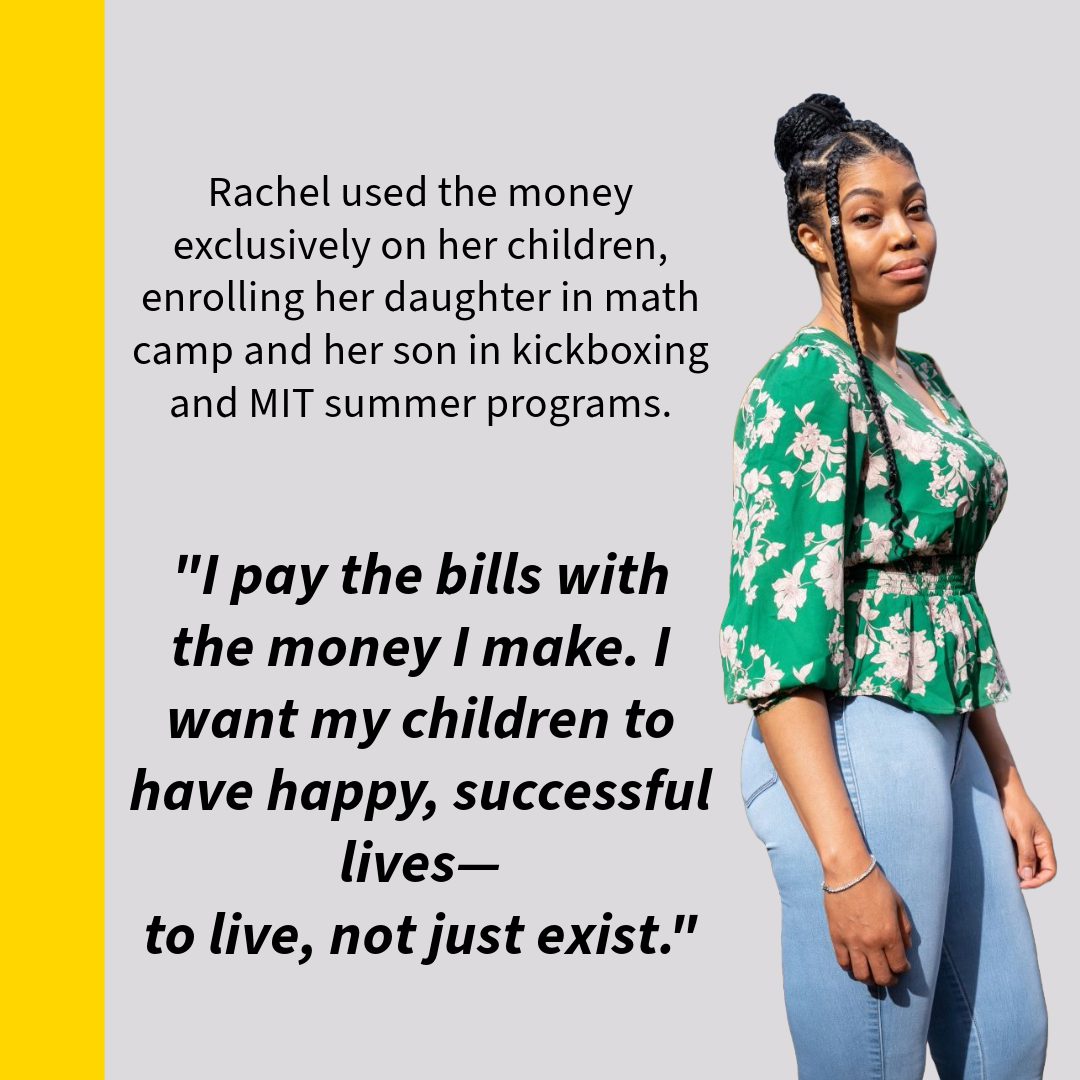
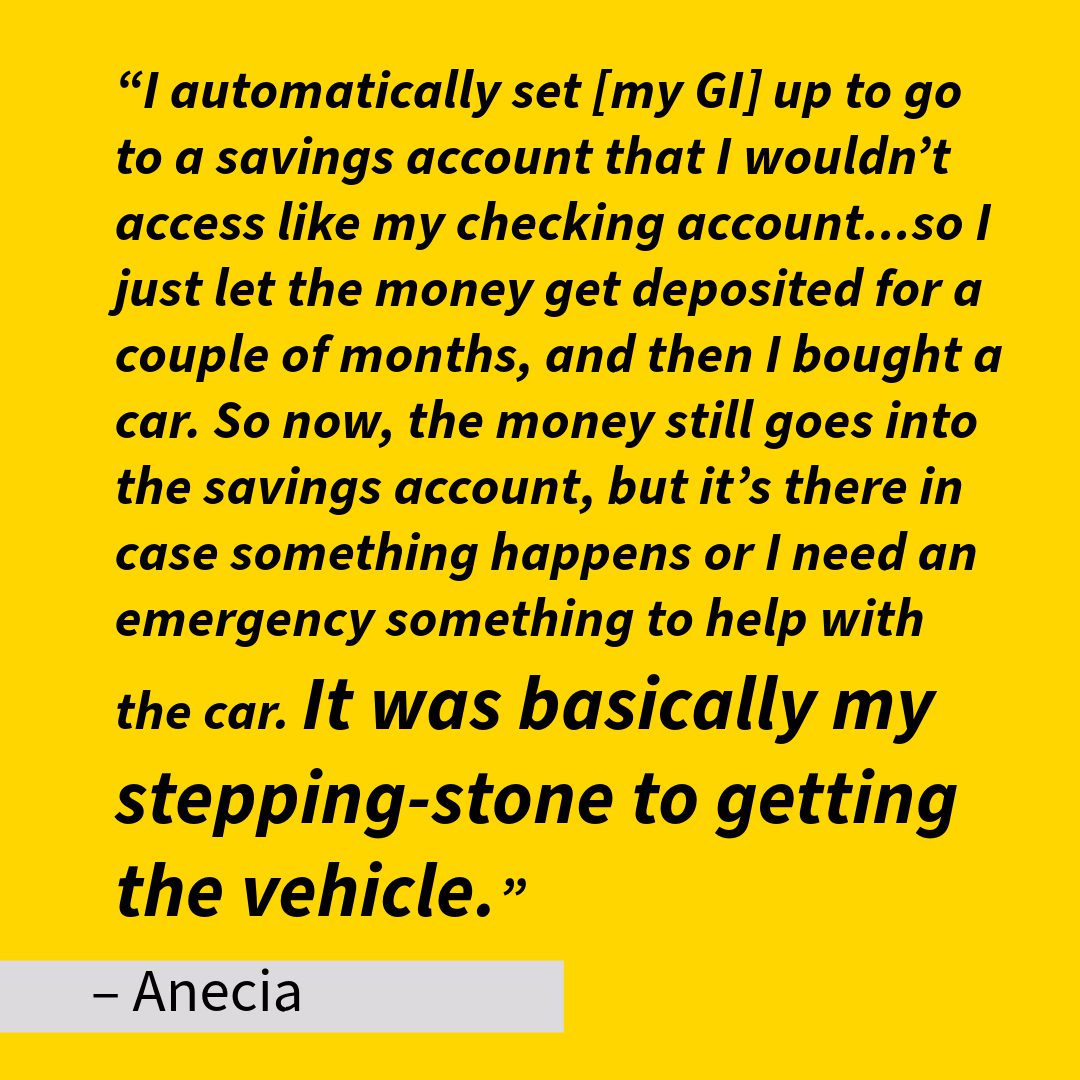
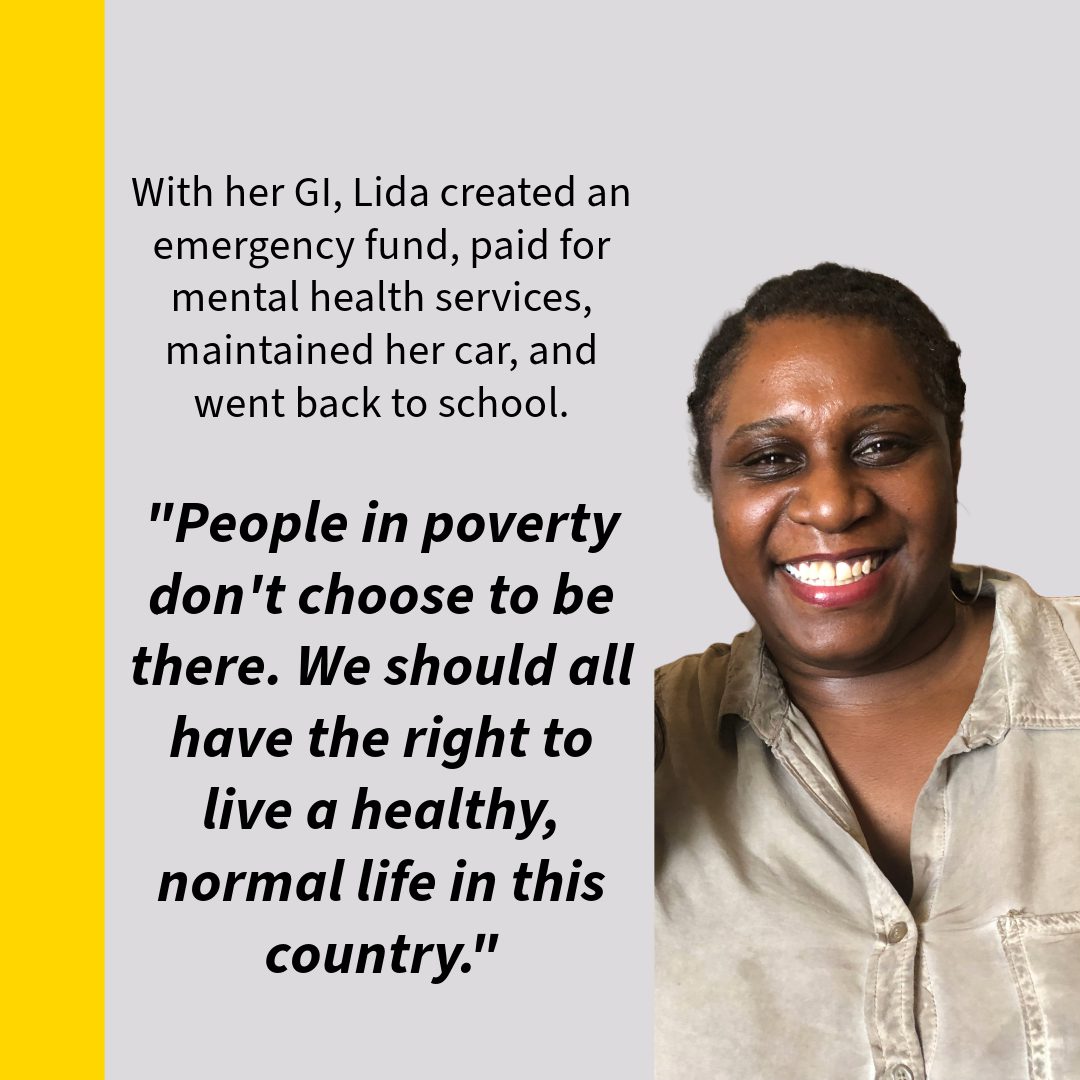

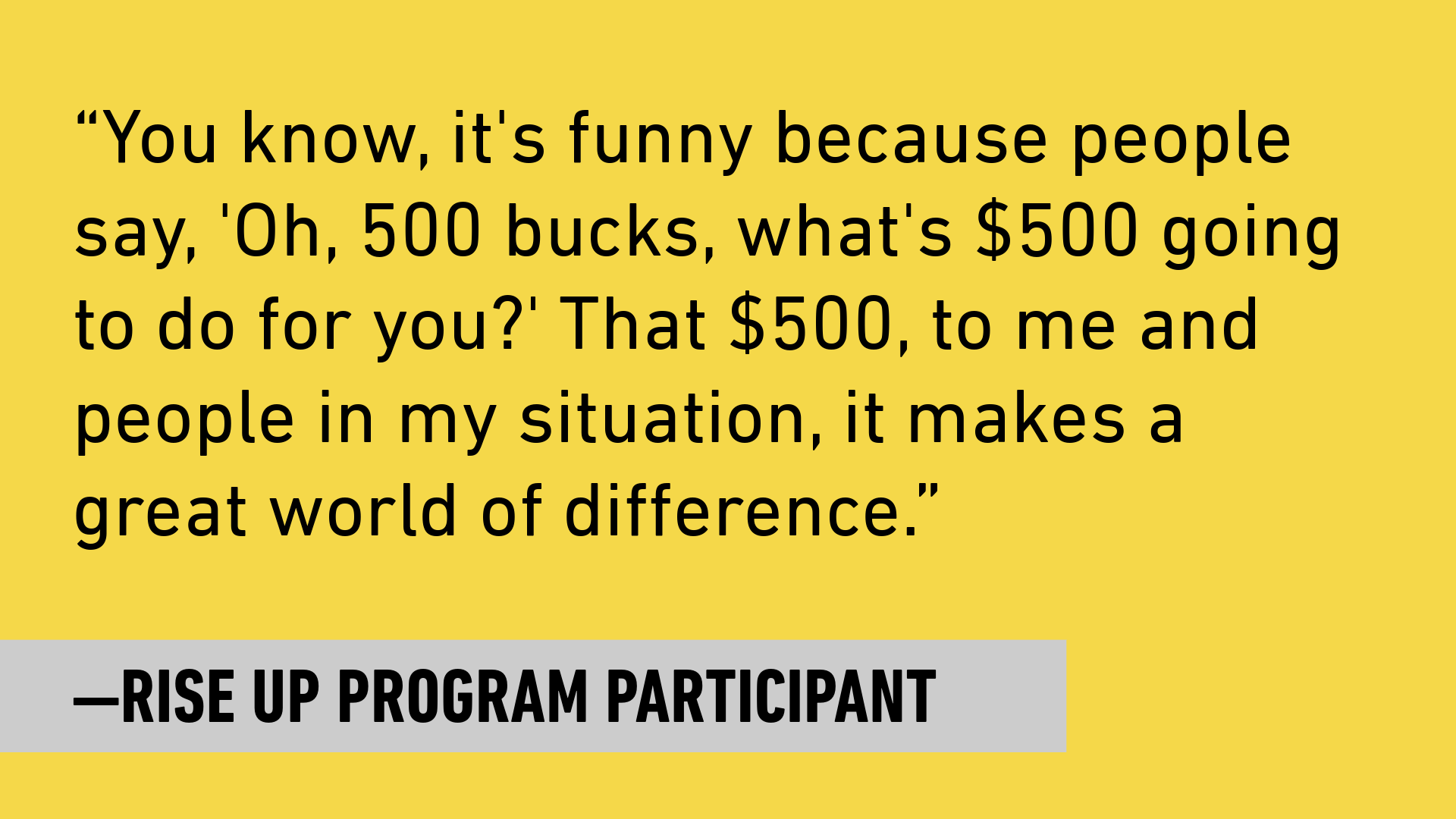
Above: Cambridge RISE recipients speak personally to the impact and power of a monthly guaranteed income. Testimonials collected by CEOC, CCF, and CGIR.
Background on the research project
The City of Cambridge and the Cambridge Community Foundation have commissioned a study of Rise Up. Led by MDRC, the research project is managed by the Cambridge Community Foundation and funded through a combination of public and philanthropic dollars.
Through this research on Rise Up, we have a unique opportunity to contribute to the growing body of knowledge about the efficacy of GBI programs and to translate learning from this program into changes in policy and practice to support economic mobility for low-income households. While standard evaluations ask a yes or no question, “Does this program work?”, nuance is needed to leverage learnings into effective policy change. We need to know how greater agency through unrestricted cash affects family decisions.
The research will focus on outcomes in four categories: financial security, economic mobility, wellbeing, and self-efficacy and sense of agency. Research will employ qualitative and quantitative methods, utilizing tools like application data, surveys, interviews, and focus groups, and center on equity – particularly racial equity. It will be structured to facilitate comparisons to GBI programs across the country. Research began in Spring 2024 with a final report available at the end of 2025. For more information about the research design, please contact Elizabeth Patton.
Community members and Rise Up participants play formal and central roles in the study. We recognize that Cambridge residents know firsthand about raising a family in our city, and their voices can ensure the study reveals truths about the challenges they face and the successes they achieve. First, Cambridge community members and Rise Up participants are serving on a Research Advisory Council (RAC). The RAC provides input into what kinds of information is collected and how and will be a part of making sense of the information once it is collected. Members are compensated for their time and expertise. Additionally, three Community Researchers joined the MDRC research team and are involved in all aspects of the study. These important partners give power to community voice and help ensure that the research leaves our community stronger than before.
More about Rise Up Cambridge
While the Cambridge RISE pilot was funded entirely with philanthropic dollars, Rise Up, is funded with the American Rescue Plan Act funds. This program was launched in partnership with Cambridge Economic Opportunity Committee (CEOC), the Cambridge Community Foundation, and the former Office of the Mayor, Sumbul Siddiqui. For more information on Rise Up Cambridge, go here: https://www.cambridgema.gov/riseup
Join us
Help ensure our city is a place where all can thrive. Our Guaranteed Basic Income Fund supports community engagement and robust research around the impact of Rise Up Cambridge, the City’s cash assistance program that’s the first in the nation available to everyone who qualifies. Donate here.
Contact
For more information about Rise Up Cambridge, go to: https://www.cambridgema.gov/riseup
If you have questions about the research please contact Rise Up Research Project Director Allison Kroner Barron. Sign-up to follow CCF’s news and research updates here.
If you are a Rise Up Cambridge recipient looking for additional support, CEOC is working with families to connect them to resources ranging from housing to food pantries and more. If you would like to find out more information, please contact them here.