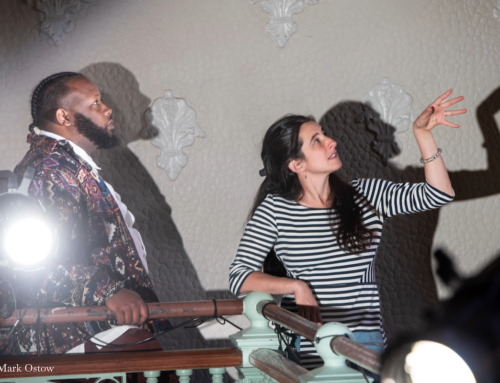
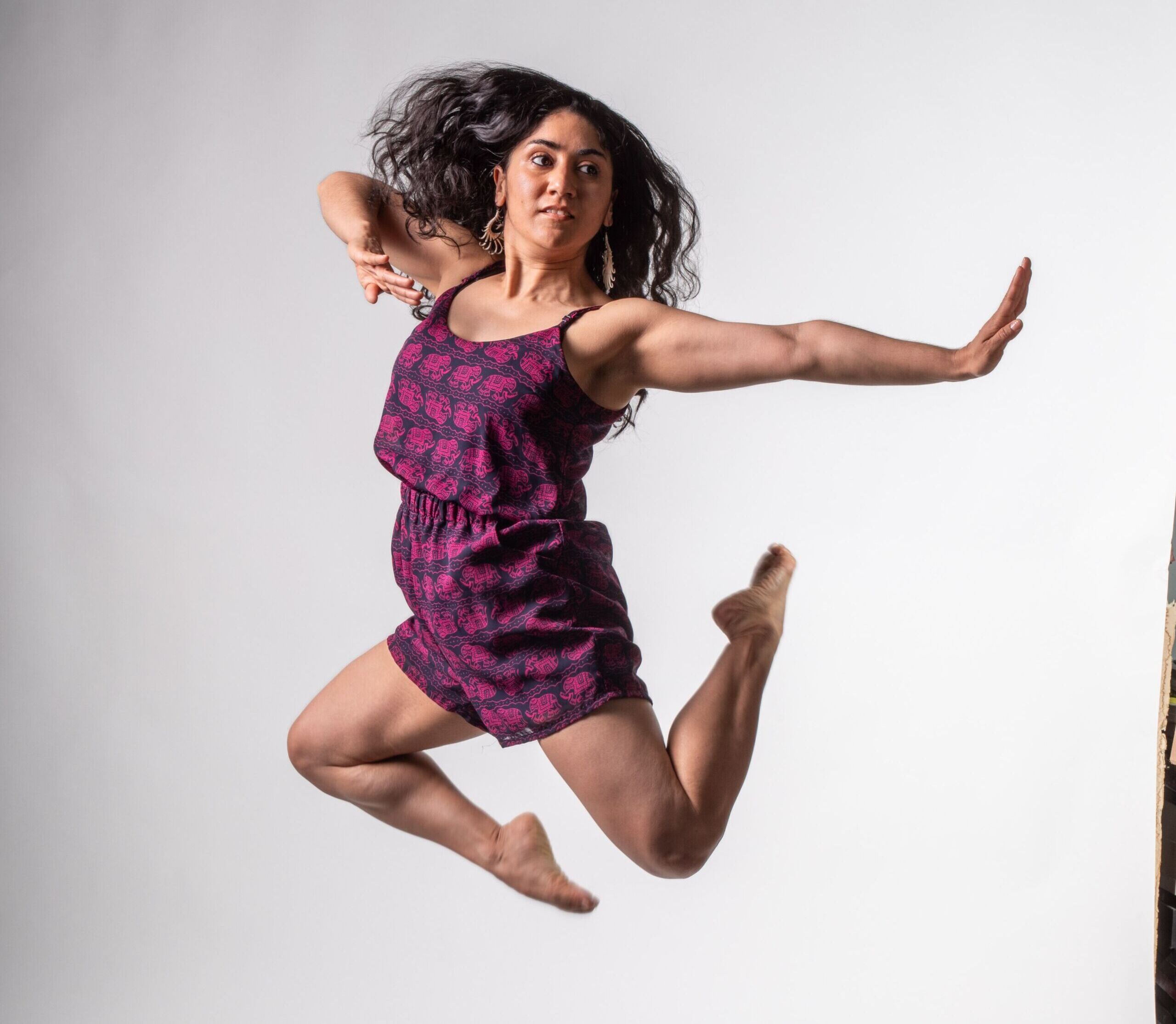
Photo by Mark Ostow
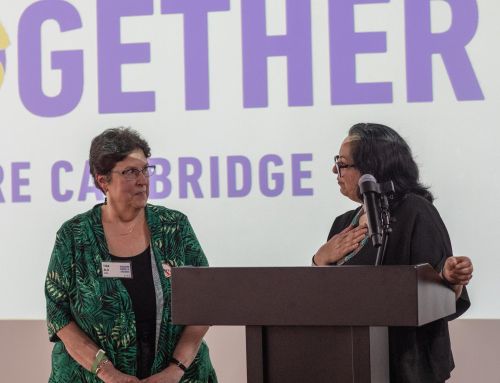
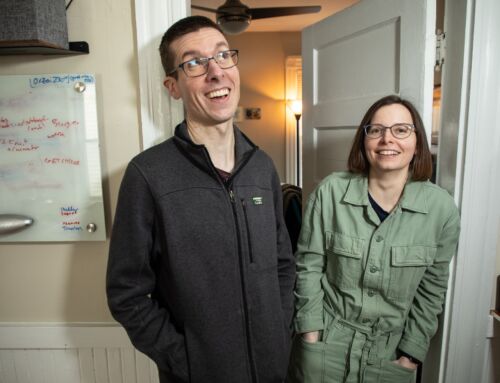
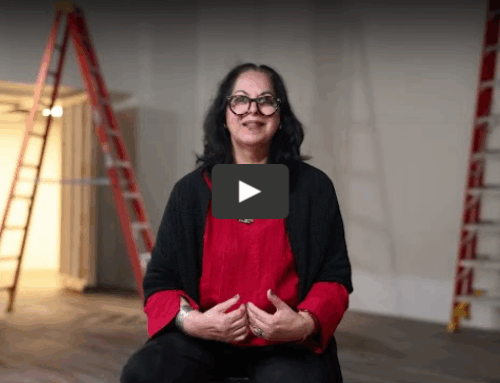
Marissa Molinar planned to save the Amazon. She earned a degree in environmental science from Brown University and expected to spend her twenties studying plants and animals in a rainforest most people will never see. Then, burnt out right after graduation, she started taking dance classes to feel like a person again and never went back. Her parents were Mexican folkloric dancers, and she had trained in Bharatanatyam in high school. By 2015, she had committed to contemporary dance and arts organizing full time, and that year she founded the MIDDAY Movement Series, a BIPOC-led grassroots initiative cultivating a new, diverse generation of dance leaders through professional development, mentorship, and advocacy.
Marissa is CCF’s inaugural Culture Connects Cambridge Fellow, one of three strands in the first phase of Culture Connects Cambridge, CCF’s $1.4 million, three-year investment in the city’s arts sector. The work is a pilot program, and its job is direct: empower artists and cultural groups to have more say in the decisions that shape their own working lives.
Christina Turner, CCF’s vice president of programs and grantmaking, says Marissa was an obvious fit from the start. “We had Marissa in mind when we were building the fellowship,” Christina says. “She brings an important and valuable perspective to advocacy, with a powerful ability to apply the lessons of the past to the organizing work of the present and to help imagine what becomes possible in the future.”Part of that job is dismantling a bias baked into the way Americans talk about the arts: that culture is a nice-to-have rather than something essential. The arts can sometimes be seen as a luxury, inaccessible, and rarified. Marissa traces that bias straight back to choreography.
“It’s not a mistake in this society to understand these art forms as luxuries, because for so long that’s how they were intended,” Marissa says. The same design choices that once served a royal audience, the cost of the ticket, the formality of the room, the assumption that you need training to have an opinion about what you are watching, are what still make a lot of people feel like these spaces were never built for them.
Mexican folklórico and Bharatanatyam taught her something else. “So much of what Mexican folkloric dance does is describe what everyday life has been like,” Marissa says. “It lets us practice being together in different ways, and practice being ourselves in front of other people.”
She often cites the sociologist Ruha Benjamin, who argues that “imagination is a terrain of struggle.” “If someone else had the boldness to invent the world that’s around us,” Marissa says, “clearly we can also be emboldened to dream of things that don’t exist yet.”
As CCF’s inaugural Culture Connects Cambridge Fellow, Marissa interviewed Cambridge artists this spring and their conversations echoed what CCF’s own research already showed: rising cost of living, a widening racial wealth gap, and arts funding that, in Marissa’s words, “can’t just come from one location.”
“It’s not just what we do, it’s how we do it, and why,” Marissa says. She points to Cambridge’s bike advocacy movement, where organizers found “a lot of agreement around what that shift would need to be” and picked one issue to fight for. Getting artists, who are used to working alone, to “think ecosystem-wide” the same way is the harder job.
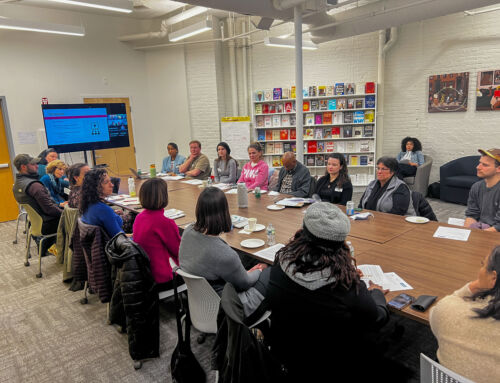
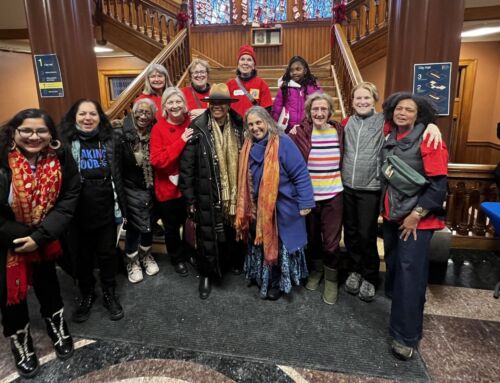
In practice, that can look like a chartered bus. This spring she partnered with Christina Turner, CCF’s vice president of programs and grantmaking, to bring a group of Cambridge artists to the Creative Sector Summit in New Bedford. Marissa prepared a glossary of arts-sector jargon in advance because, as she put it, “there’s no one single definition” once people start Googling terms they’re embarrassed to ask about. On the ride down, she led a short movement series and then made everyone introduce themselves, so that individual and grassroots artists who might not know anyone in the room would have a few faces to look for once they got there. Marissa has seen how easily people in that position wind up isolated at a conference built for staff of bigger institutions. Growing up in Texas, greeting people was second nature. “I was raised to say hello to everyone,” Marissa says, and calls teaching that habit to Bostonians “a personal crusade of mine.”
On the bus ride home, Marissa ran a debrief so the group could process what they had just seen and land on their own next steps before the day faded. The debrief also served as an opportunity to learn, taking in how the group reacted, so she could figure out how the fellowship needed to evolve and better understand the work going forward.
Her parents were activists in the Chicano movement, and she describes her own advocacy work as an extension of that.
“I’m excited to continue the lineage, making that good trouble,” Marissa says, “but with real support and real excitement, and I think just real joy. I feel incredibly lucky to be in something that is inherently so joyful.”