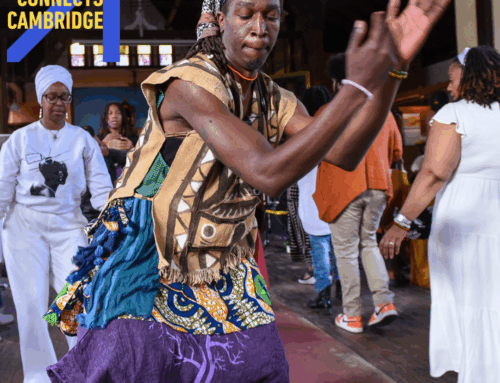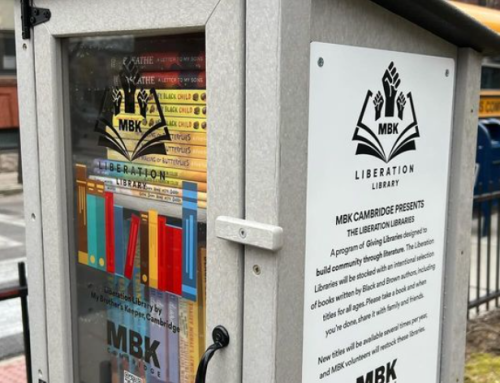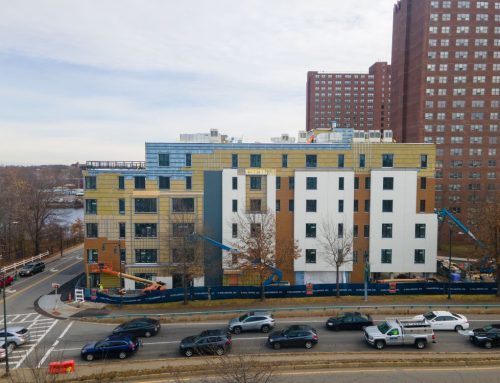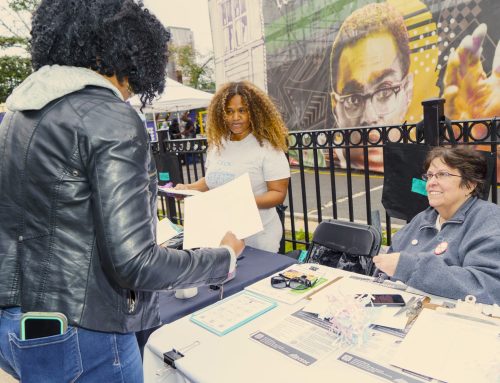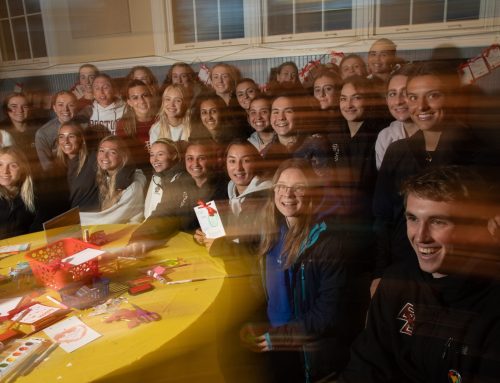
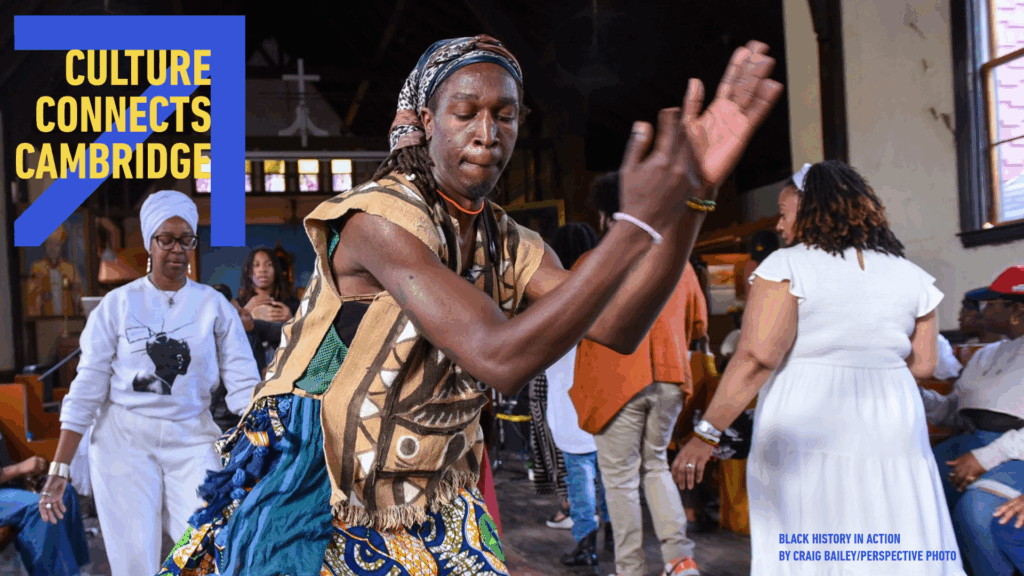
Earlier this fall, we announced Culture Connects Cambridge—a $1.4 million, multi-year investment, beginning with grants to 14 arts and culture organizations who are building belonging across our city. It’s a significant commitment, and one that reflects both where Cambridge has always been and where we need to go.
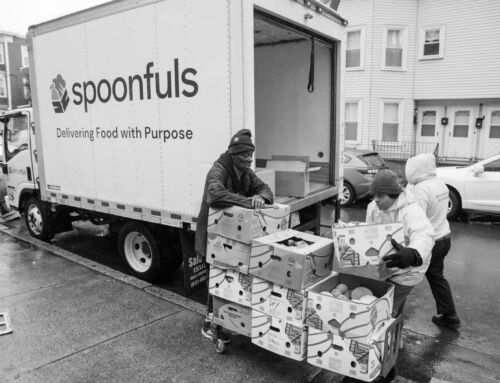
We live in a moment when so many urgent needs compete for resources. Food insecurity is rising. Affordable housing is scarce. Healthcare costs continue to climb. Our investment in arts and culture isn’t separate or at odds with addressing these challenges. It’s part of our response.
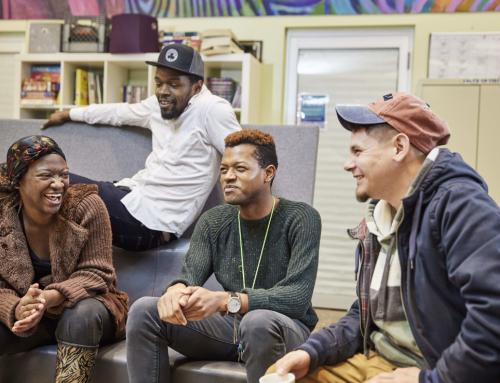
When we began developing our strategic plan in 2022, we were thinking deeply about how to tackle the fraying social bonds in our community—isolation that feeds polarization and keeps the less fortunate marginalized. We asked ourselves: Where are the places where connectedness and solidarity grow? Where does our community come together in moments of crisis and opportunity? Where are people finding spaces to bridge differences, to imagine new possibilities, to build something together?
CCF has long supported arts and culture. From our Cultural Capital Fund to direct relief for artists during the pandemic to decades of responsive grantmaking. As we looked at where social cohesion was actually happening in Cambridge, the answer kept pointing to the arts.
But we didn’t want to define this work on our own. Beginning in October 2024, we started conversations with artists, cultural workers, and community groups already doing this work. Together, we developed a community definition: Arts and belonging exist when cultural work shares power equitably, connects and includes people across differences, helps communities advance common goals, and cultivates platforms for diverse forms of cultural practice.
That definition became our North Star. Not something we imposed, but something we built together.
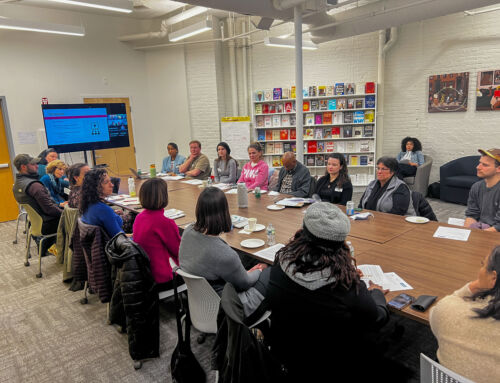
We then assembled expert review panels to help shape the grantmaking process. People who knew the Cambridge arts and culture sector intimately because they were a part of it. These conversations were robust, thoughtful, sometimes difficult. And because these partners helped build the process, they’ll continue shaping how the initiative unfolds.
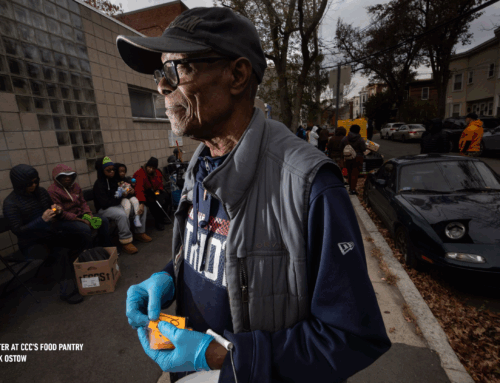
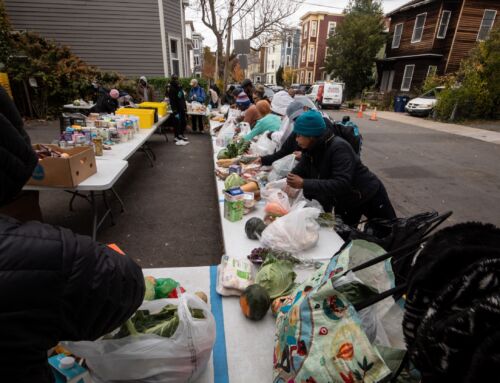
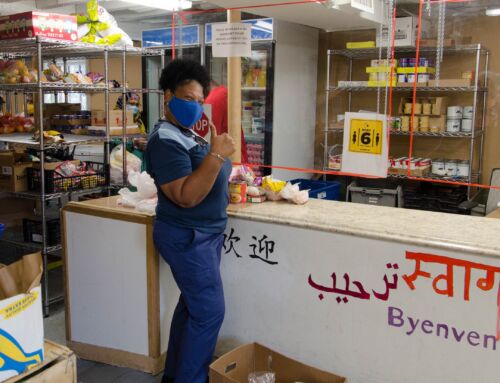
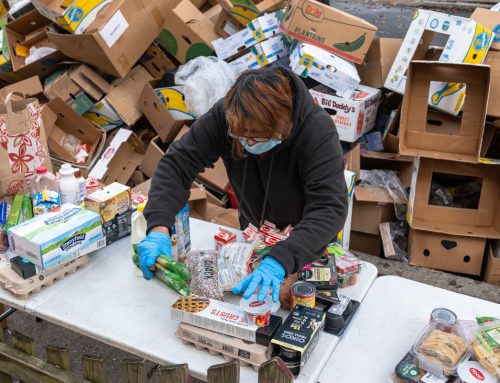
Many of the new 14 Culture & Belonging grant recipients are multi-service providers. Cambridge Community Center is also on the frontlines of our food security work. Community Art Center provides crucial childcare and family support alongside arts programming. These organizations understand what we’ve always known: you can’t separate economic mobility from social cohesion. They’re part of the same equation.
Culture Connects Cambridge reflects how Cambridge Community Foundation approaches all our programmatic work. We don’t start with assumptions about what communities need. We start by listening. We invite people with lived expertise into the design process. We adjust as contexts change.
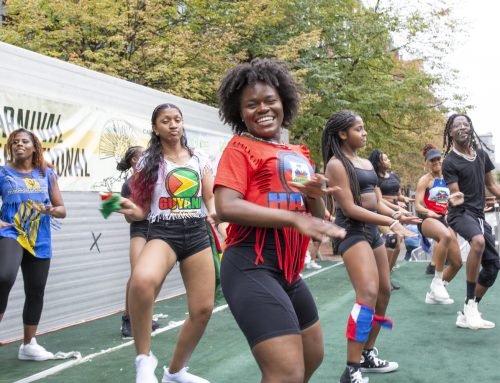
When I think about what this initiative could mean for Cambridge, I imagine artists and cultural workers who are more connected to peers, more able to share resources and information. I imagine places where Cambridge residents can discover the breadth of cultural work happening across every neighborhood and feel less isolated. I imagine the ripple effects: a young person finding belonging in a hip-hop class builds confidence that carries into school and work. Neighbors build social networks that support them through hard times.
Arts and culture create entry points for understanding. They make space for imagination. For envisioning what could be, rather than just responding to what is. And in a moment when we desperately need to imagine better futures together, that’s not a luxury. It’s essential.
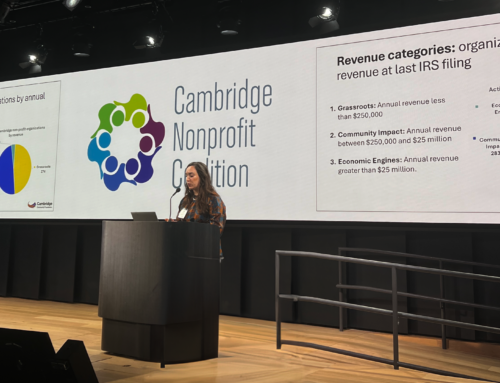
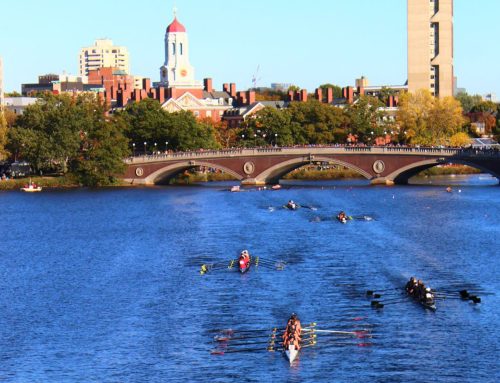
Cambridge is a small city—just a few square miles—packed with an estimated 75 arts and culture organizations. That density isn’t an accident. It’s part of our DNA.
When we invest in arts and culture, we’re investing in what makes Cambridge worth living in. We’re investing in the connective tissue that holds us together. We’re investing in our capacity to weather storms, bridge differences, and build the future we want to see.
Christina Turner
Vice President of Programs and Grantmaking