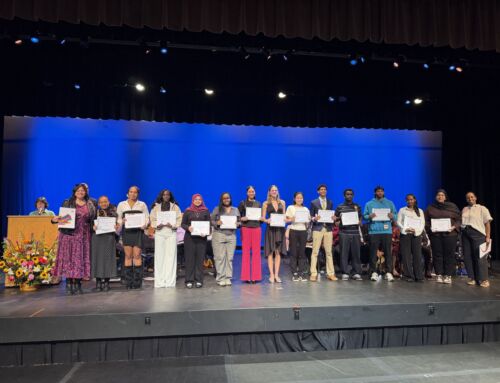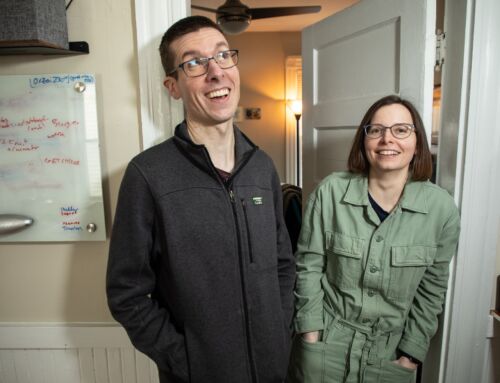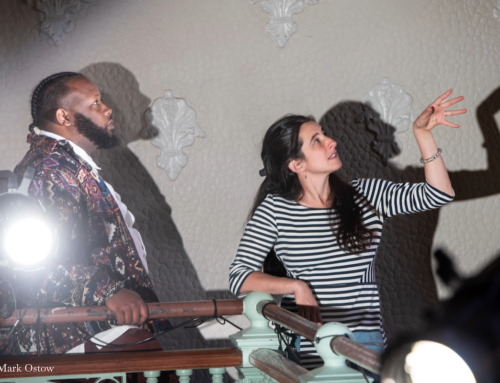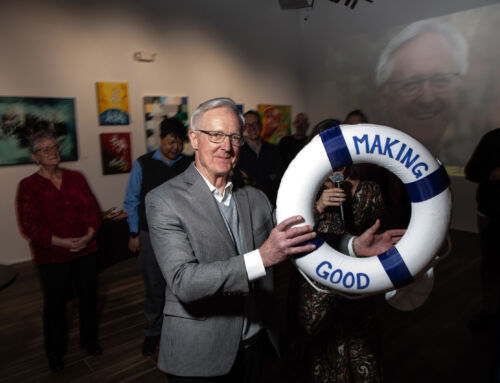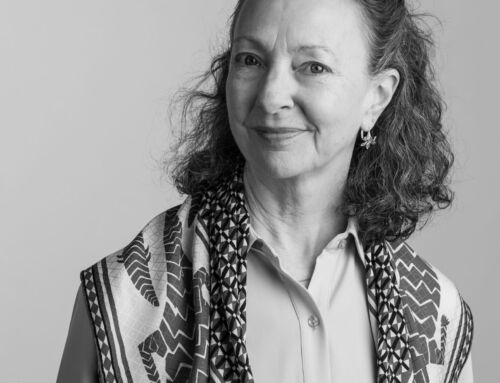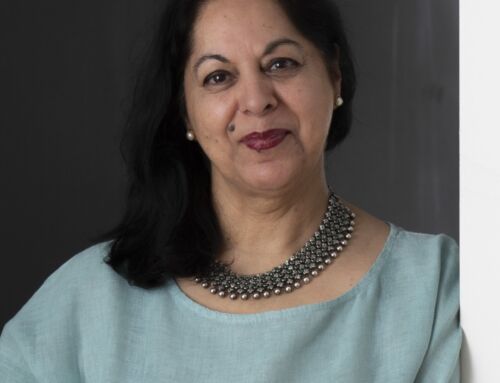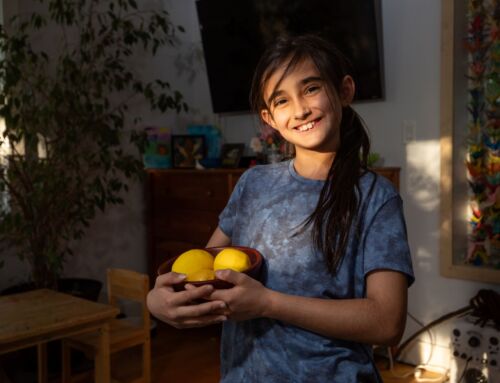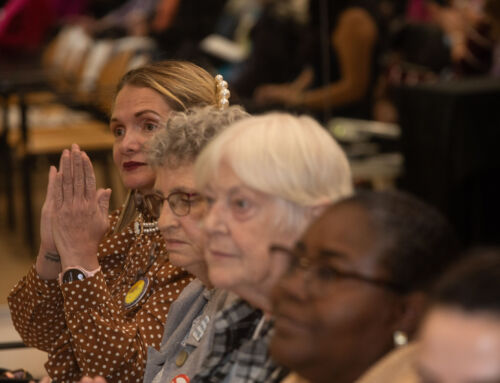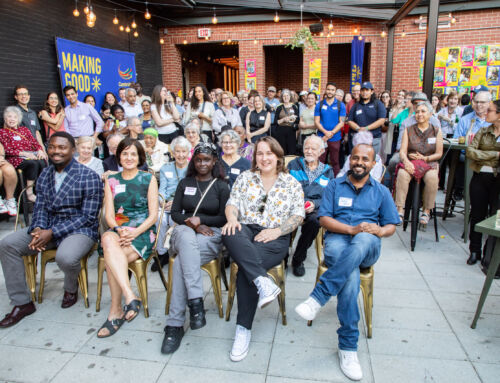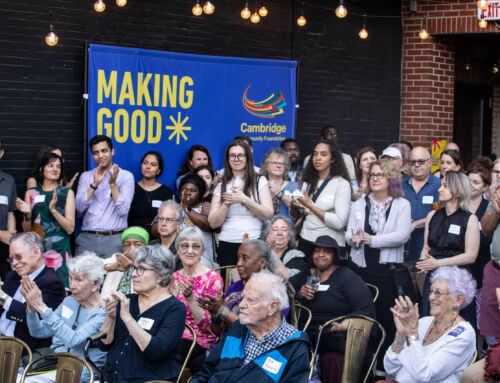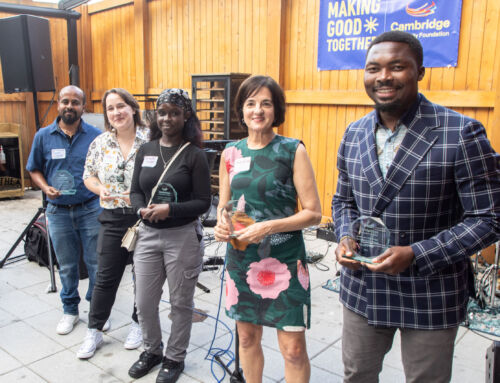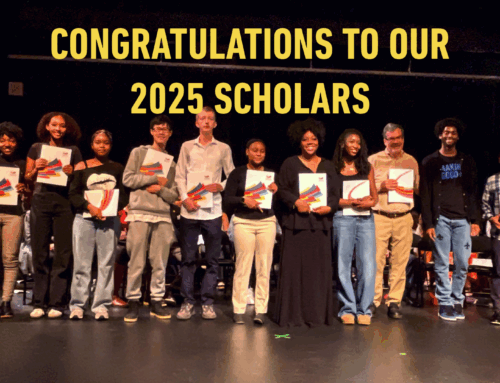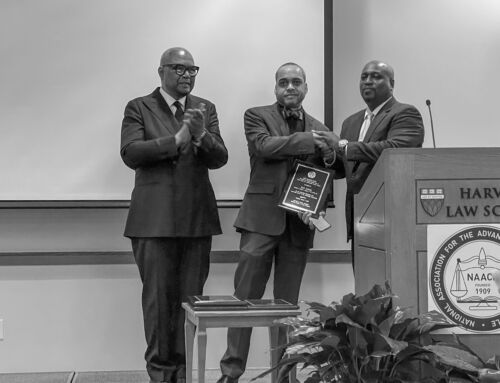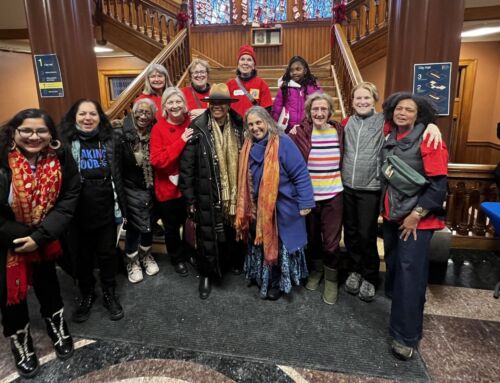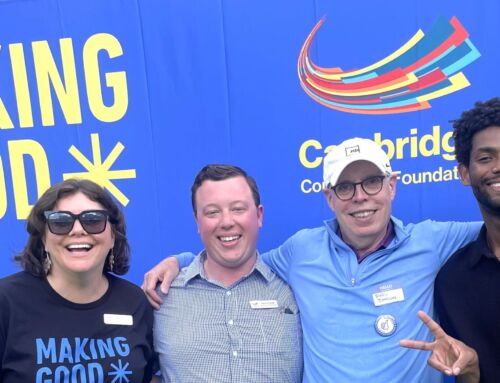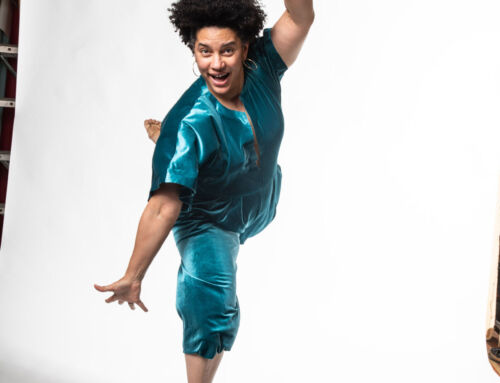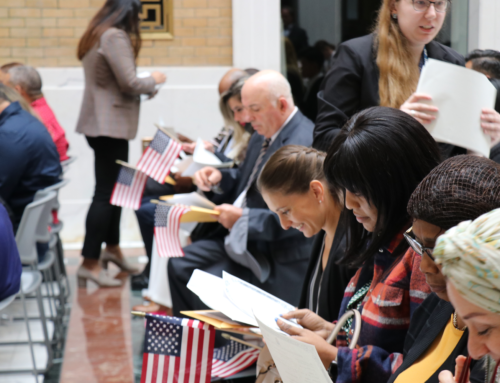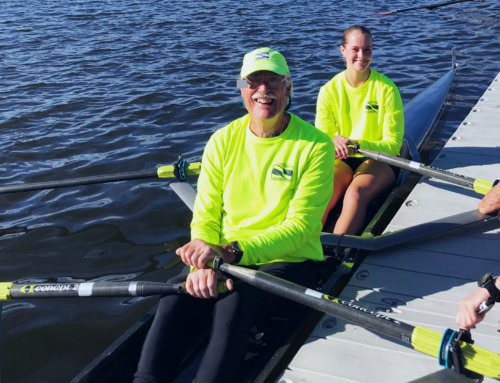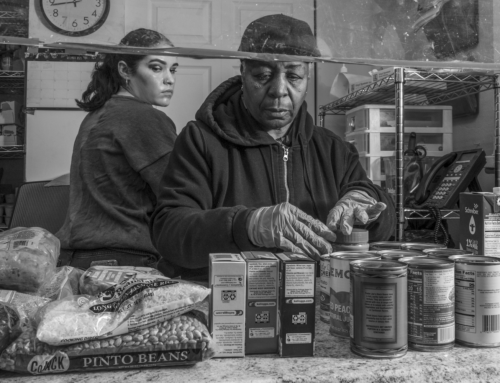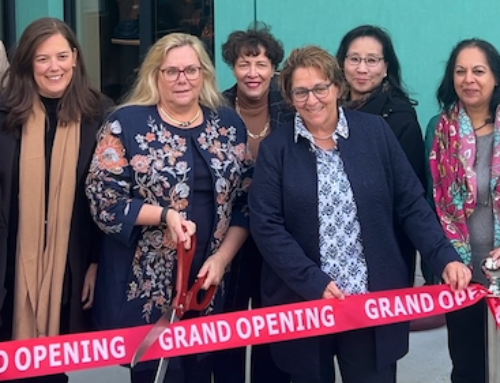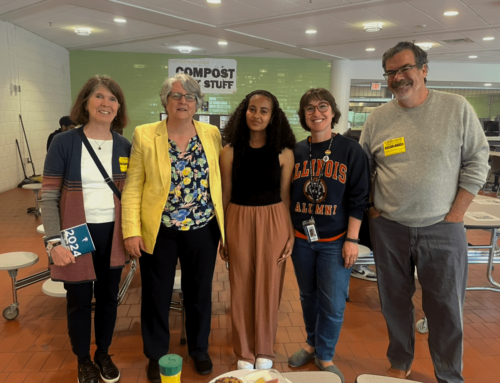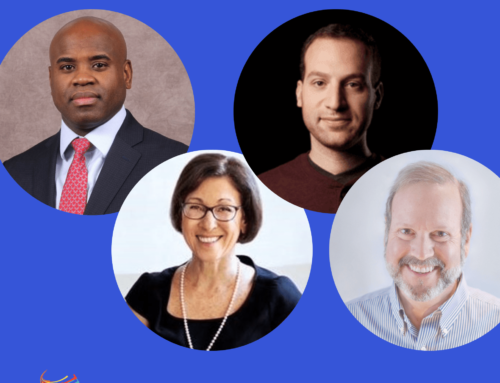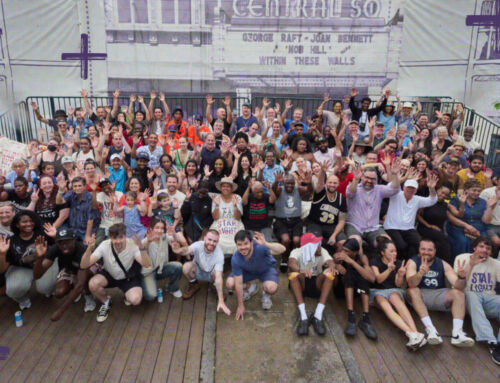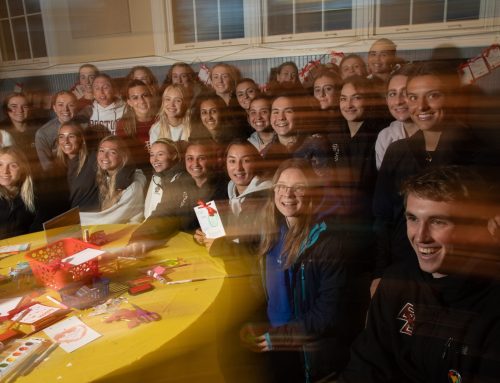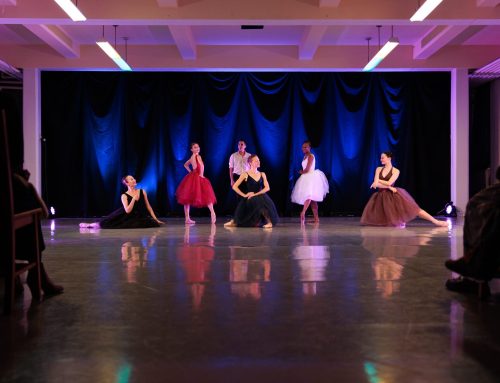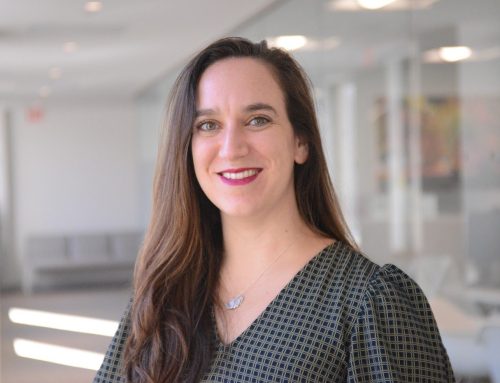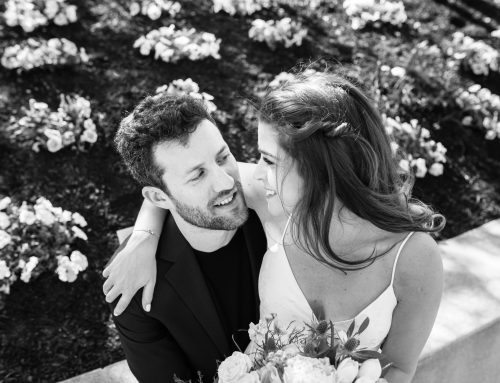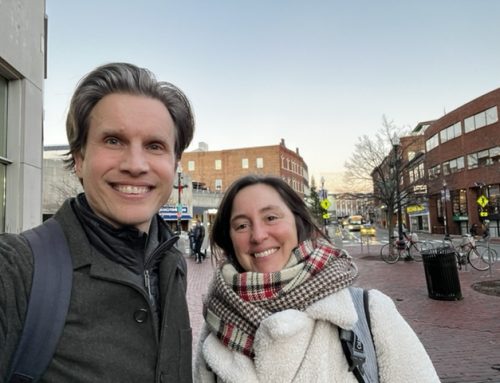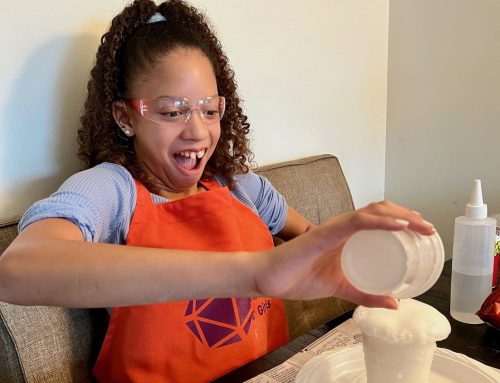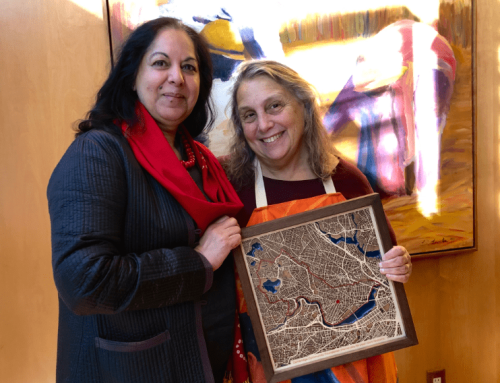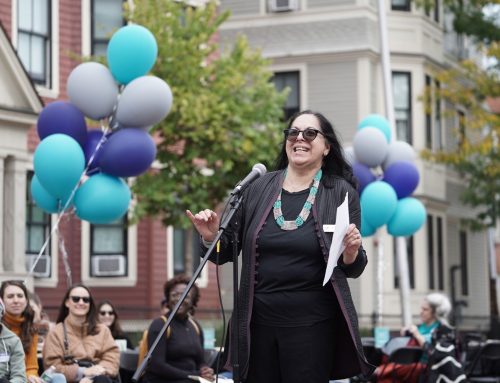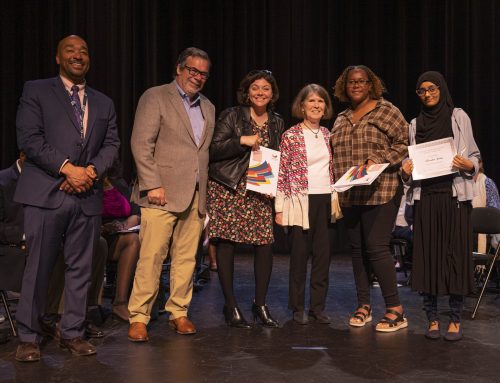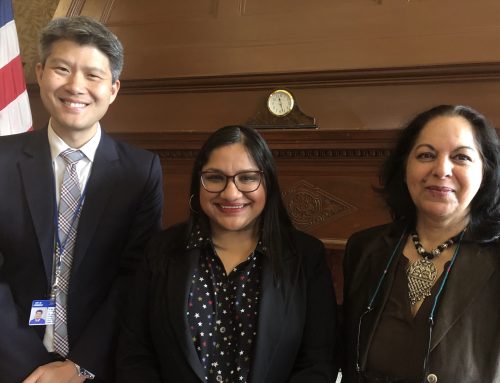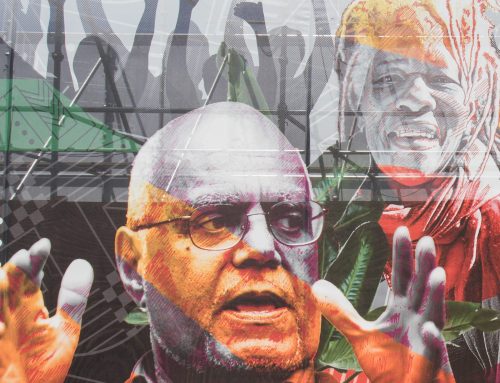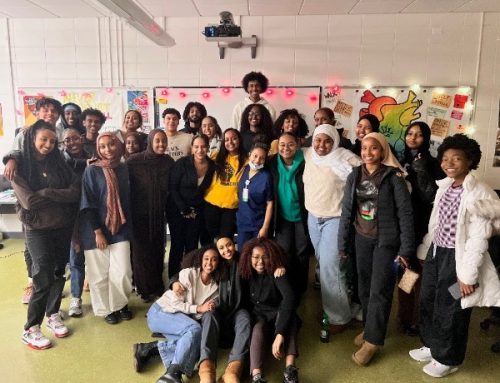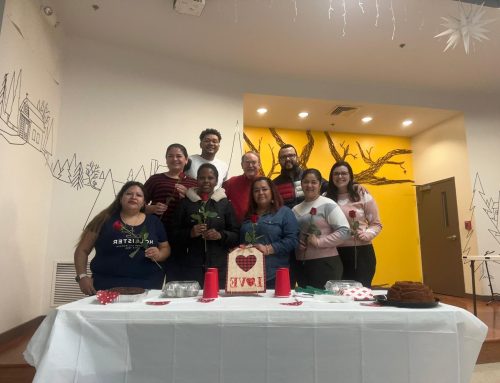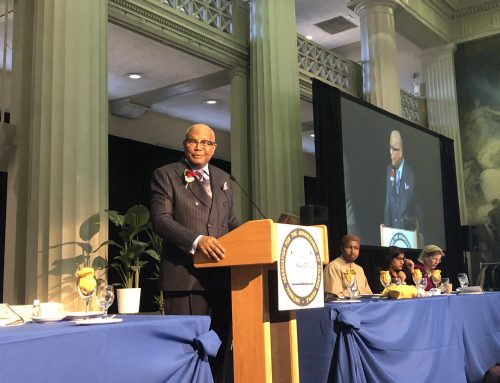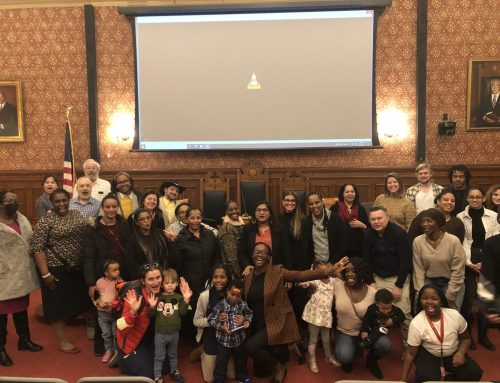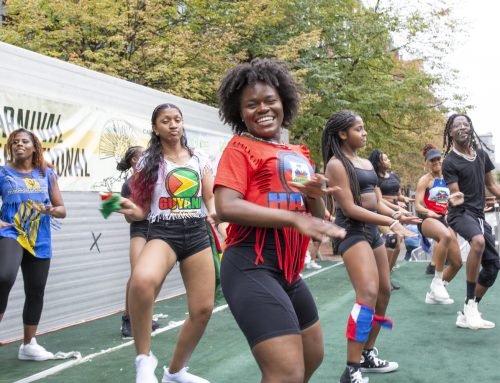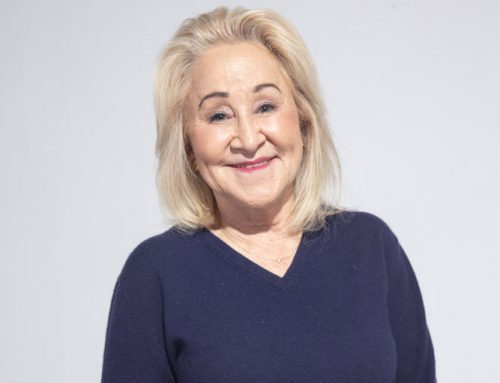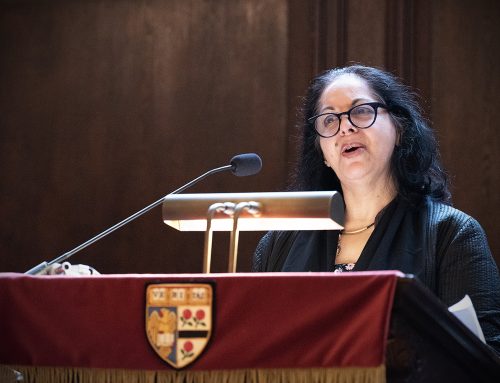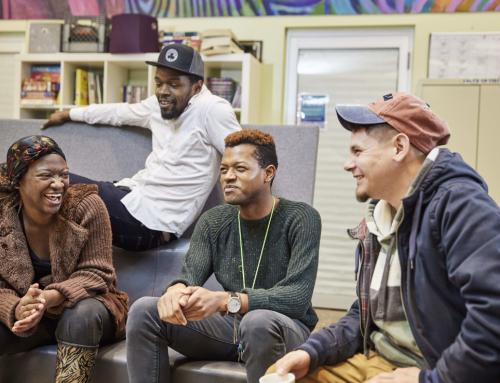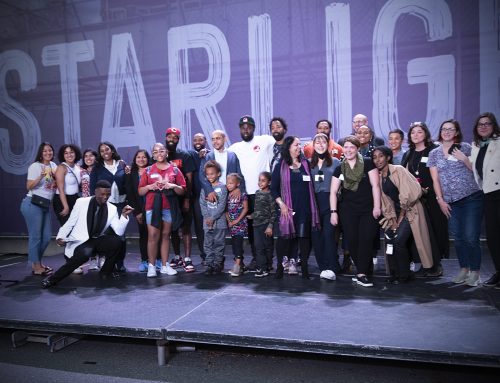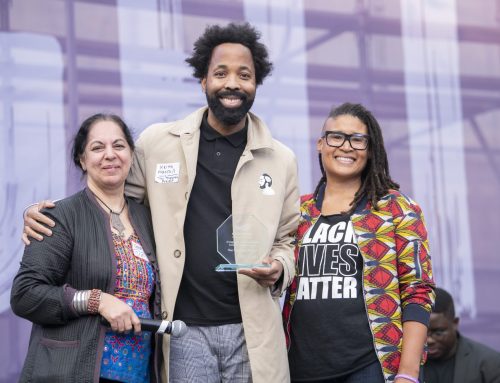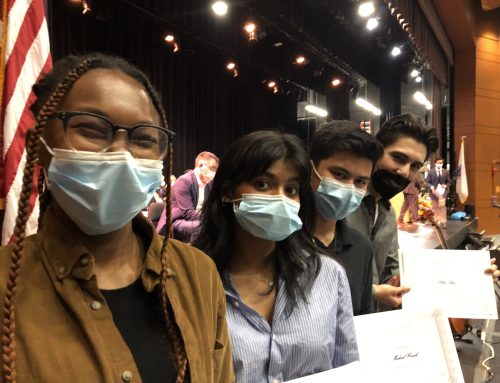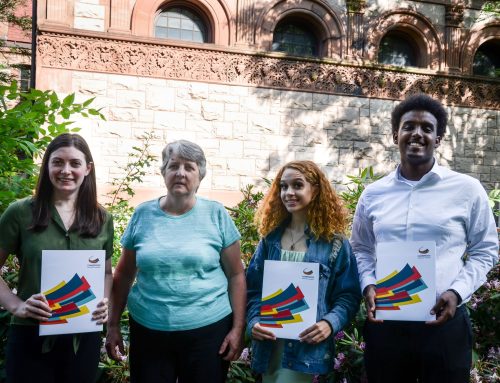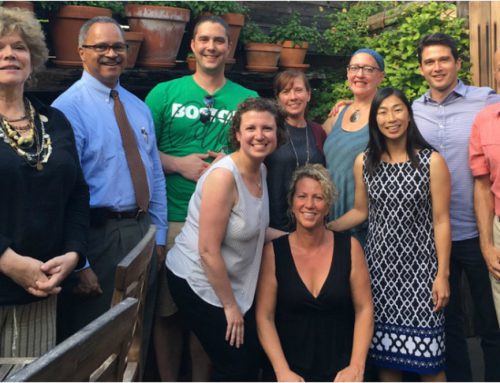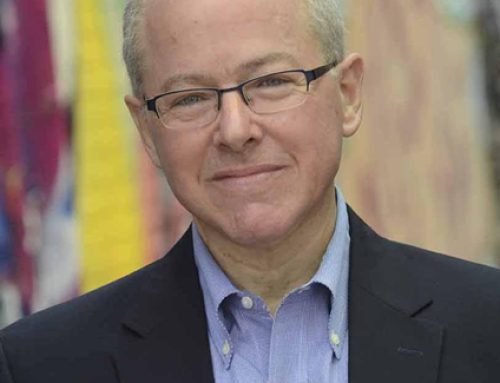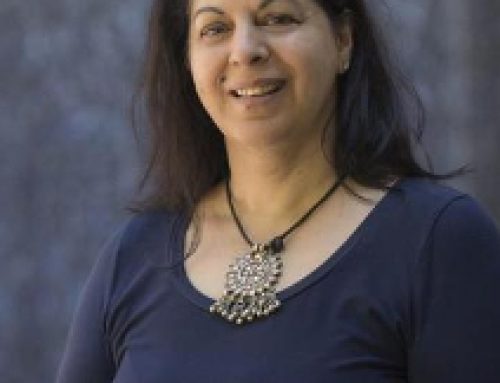
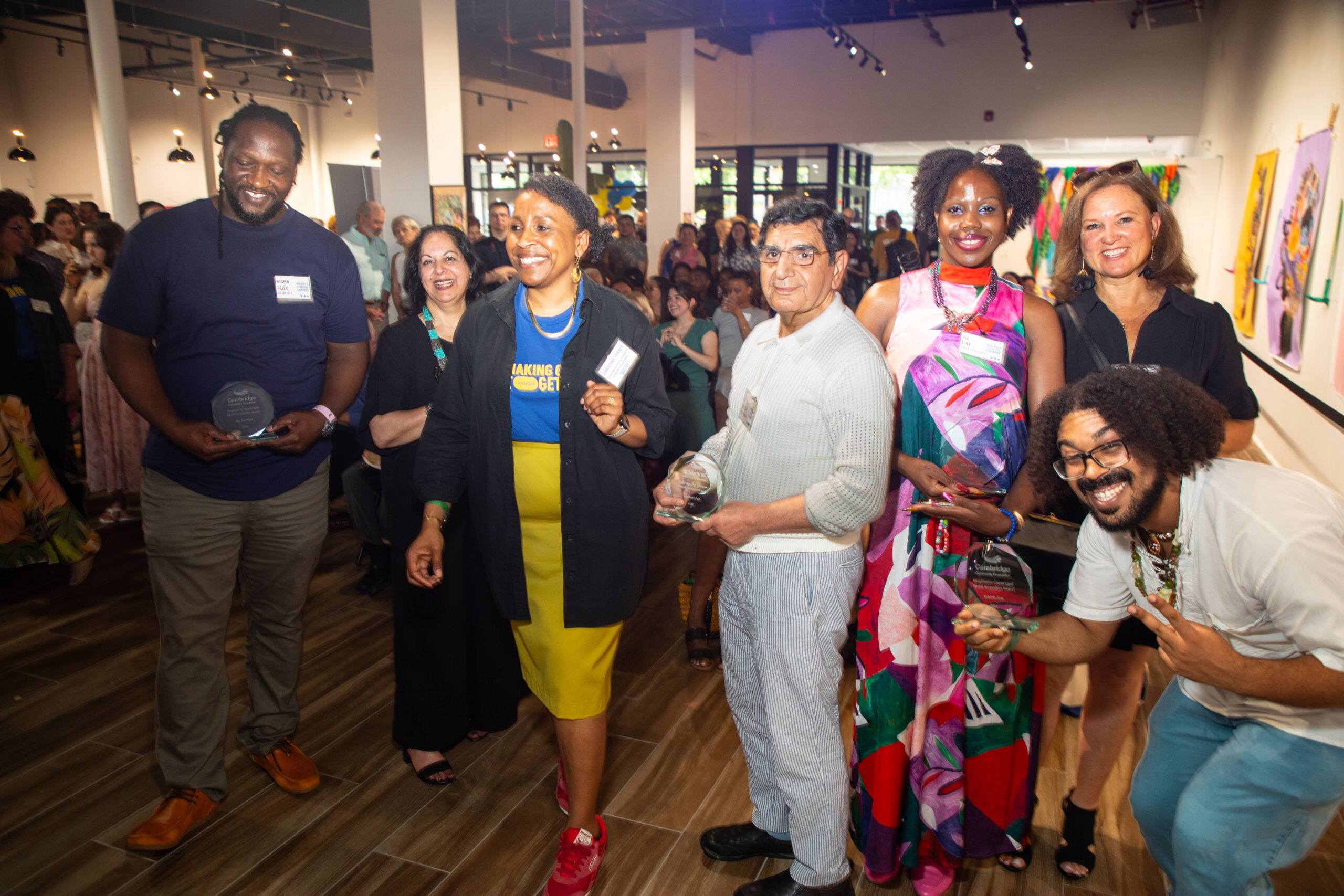
Photo by Mark Ostow of 2026 Imagined in Cambridge! Awardees with CCF’s Geeta Pradhan and Christina Turner.
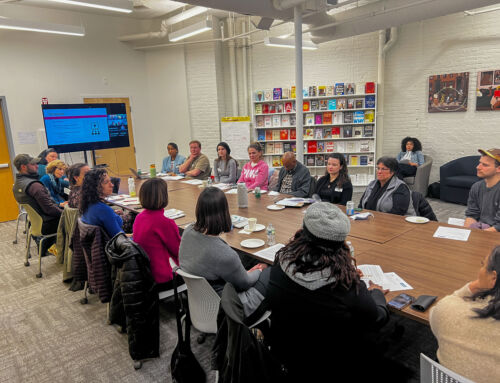
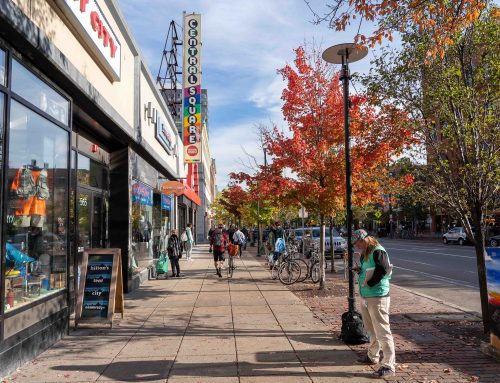
June 11, 2026 | CAMBRIDGE, Mass. — The people who hold Cambridge’s nonprofit sector together spent Wednesday evening celebrating a year of important community service work and innovation in the nonprofit sector. At Making Good Together, the Cambridge Community Foundation’s (CCF) annual tribute to the nonprofit staff who are the heart and soul of the city, the Foundation honored the Cambridge Economic Opportunity Committee (CEOC) with its first Making Good Award and named five winners of its seventh annual Imagined in Cambridge! Social Innovation Award. The celebration was held at Street Theory Collective in Central Square.
“We created the Making Good Award to celebrate the organizations that provide critical community services but also push us to think outside the box and show us what’s possible, and CEOC has been doing exactly that for sixty years,” said CCF President Geeta Pradhan. “Our Imagined in Cambridge! winners are at the other end of that same story: neighbors with a new idea and the courage to test it. CEOC is an innovative nonprofit rooted in decades of trust, the others are just getting started, and both remind us that we’re stronger together. Building a more connected, more equitable Cambridge is work that belongs to all of us.”
The inaugural Making Good Awardee: Cambridge Economic Opportunity Committee
The Making Good Award is new this year. It recognizes an established Cambridge nonprofit doing vital and outstanding community service, and CEOC, which has fought poverty in the city for 60 years, is its first recipient. The recognition comes with a $10,000 award to CEOC.
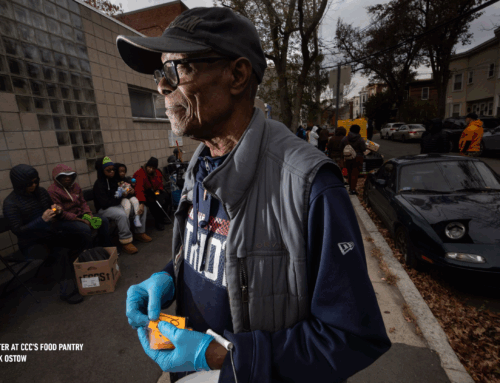
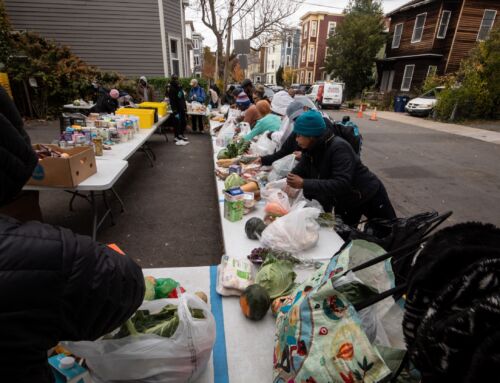
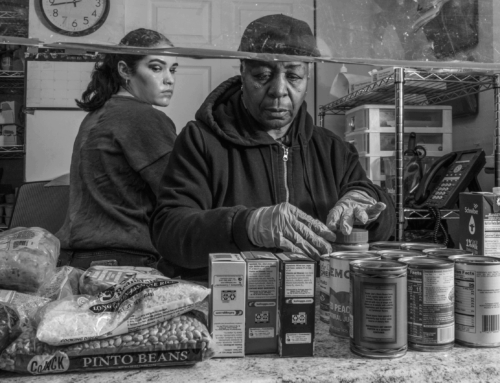
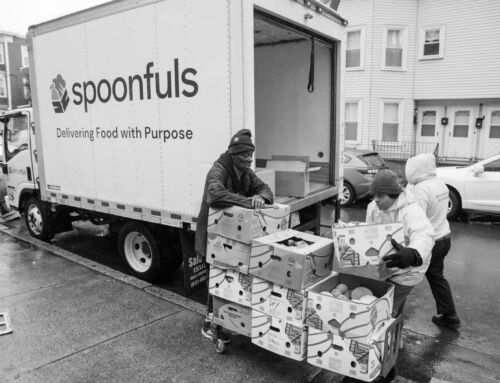
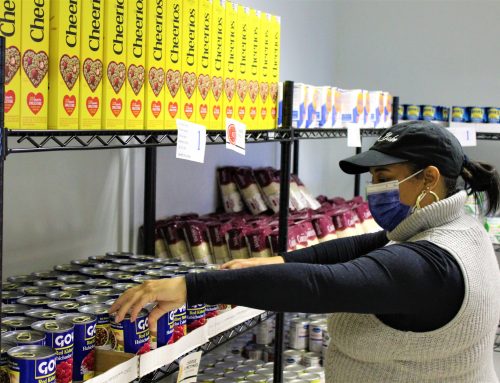
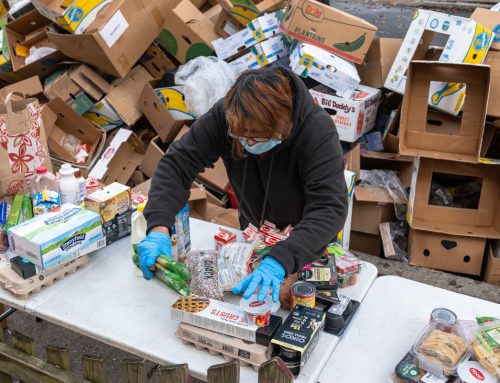
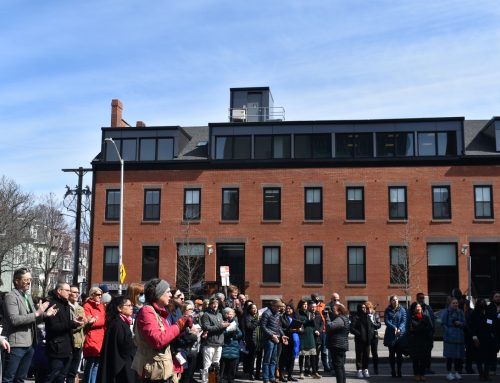
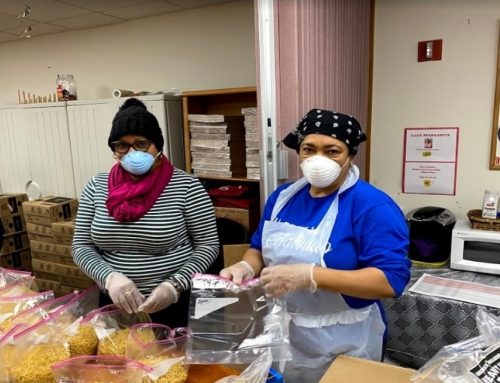
CEOC has long been a steady presence for residents facing economic hardship, pairing direct service with advocacy that challenges the policies keeping people in poverty. CEOC was an essential partner in the execution of Rise Up Cambridge, the City of Cambridge’s $22 Million scaled cash assistance program that supported nearly 2,000 qualifying families for 18-months beginning in 2023. A partnership between the City of Cambridge, CEOC and CCF, the project was the first non-lottery citywide cash assistance program of its kind in the United States. In fiscal year 2025, CEOC served roughly 11,500 people, including nearly 8,000 households through its food pantry, with a staff of about 15 and a network of volunteers and community advisors who help shape the work.
This past year tested that model. Federal SNAP cuts and new work requirements, fear in the immigrant community, and looming changes to Medicaid and the Affordable Care Act all arrived at once. CEOC trained city departments and fellow nonprofits on what was changing, then did the hands-on work of helping residents complete paperwork and keep their benefits. Rather than duplicate services, it strengthened the connections between the city, nonprofits, and the people who needed help.
“What stands out most is CEOC’s interest in understanding what people really need,” said Raquel Escrich, a client of CEOC’s for more than a decade. “CEOC’s work is grounded in the belief that we are stronger together. They show that community members’ voices matter, and they create space for people to participate and lead.”
“For me, the work is about linking arms with people. We’re not doing things for them, we’re doing it alongside them, so that their own strengths can come through,” said Tina Alu, CEOC’s executive director. “Providing services is not enough. It has to be about challenging the public policies that negatively impact our community. It’s hard to imagine how you do one without the other. And no agency can do this alone. Collectively, we’re stronger together.”
“When we look at the systemic challenges that shape food security, economic mobility, and overall community well‑being, CEOC has consistently served as an invaluable strategic and deeply trusted partner,” said City Manager Yi-An Huang. “They bring a sophisticated understanding of our community’s needs and deliver solutions that are both culturally grounded and operationally effective. CEOC’s leadership and impact make them a fitting inaugural recipient of the Making Good Award. We appreciate CCF for establishing this recognition at a moment when nonprofits are navigating rising demand with remarkable resilience and innovation.”
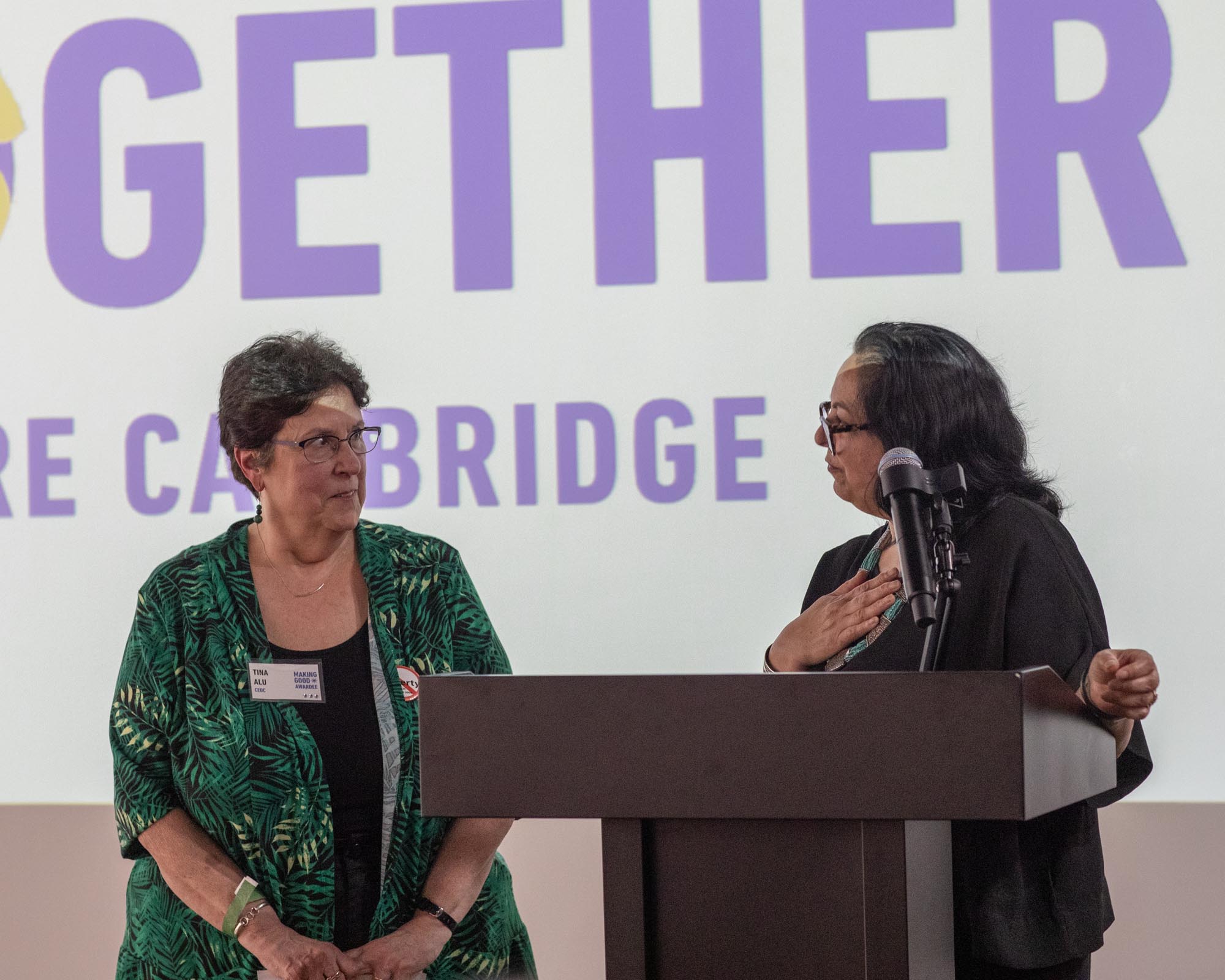
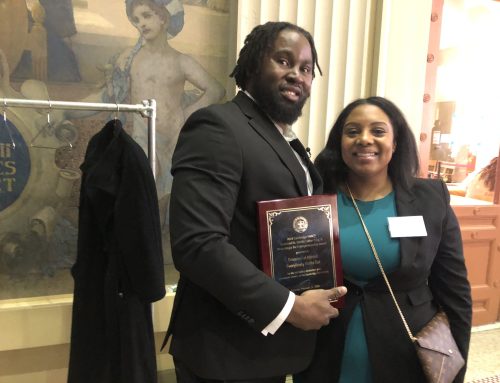
Photo by Margaret Lampert of CEOC Executive Director Tina Alu with CCF President Geeta Pradhan.
The 2026 Imagined in Cambridge! Social Innovation Award winners
Now in its seventh year, the Imagined in Cambridge! Social Innovation Award supports emerging innovators whose ideas are already improving life in Cambridge. Each of this year’s five winners receives a one-time $5,000 award. They are building connection across the city in five different ways: through youth sports, free clothing offered with hospitality, arts that center the African diaspora, menstrual health education, and healing through painting.
We Got Next — Kessen Green
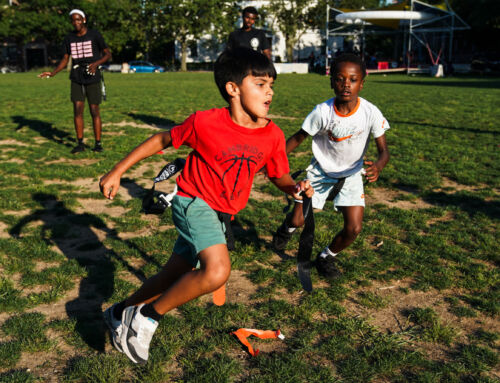
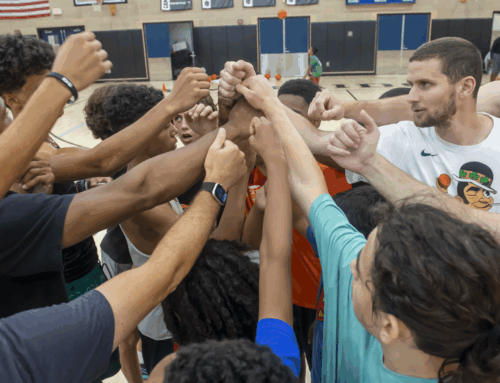
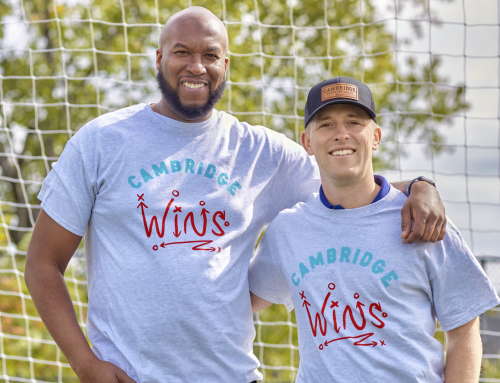
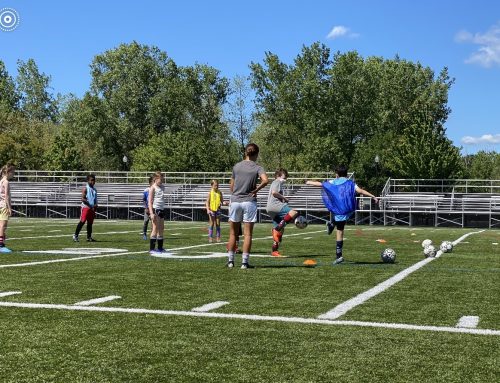
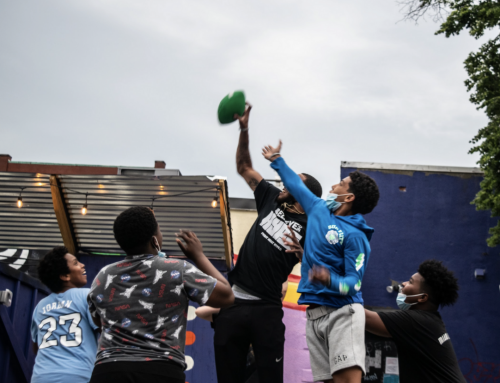
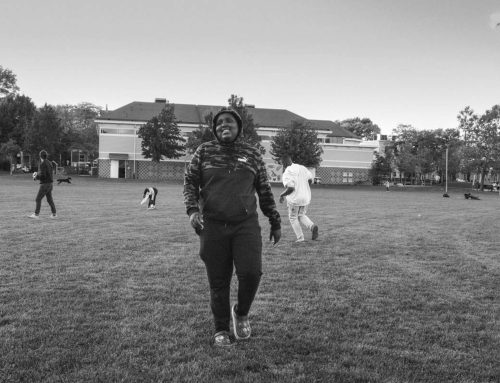
Kessen Green grew up in the Port and has been doing youth work in Cambridge since he was 14 years old. We Got Next uses sports to rebuild the village he remembers, bringing families together across lines of class, generation, and neighborhood. What began years ago as a men’s flag football league that drew as many as 200 players each Sunday has grown into year-round basketball and volleyball, family events, and a staff of “life coaches” who mentor young people on and off the court. When the pandemic shut programs down, We Got Next was among the first to safely reopen so kids would have a place to play and connect with coaches and each other. “This work is continuous. It doesn’t stop,” Green said. “You have to provide the space, and you have to see it all the way through.”
Sufi Boutique — Mo Noorae, Sufi Service Committee
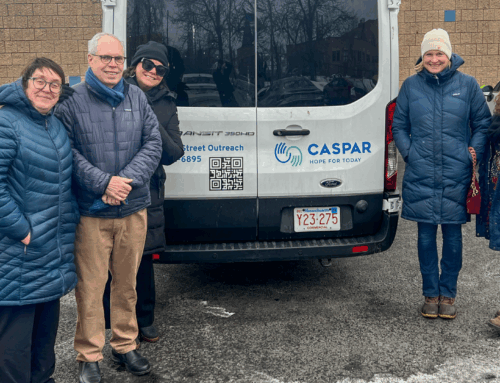
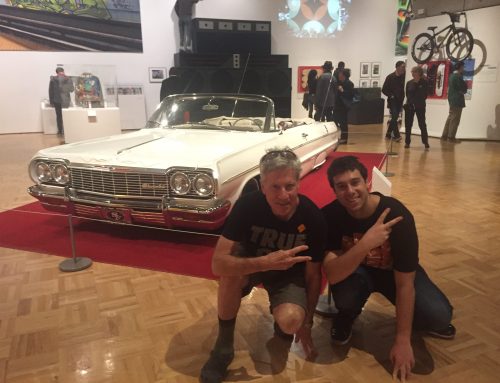
Sufi Boutique is a free clothing shop that treats its guests like important customers. Visitors choose their own styles in a welcoming space and are greeted with hospitality and a tray of warm Persian tea. Founder Mo Noorae, who donated part of his own property to house the effort, runs it on a philosophy of decentralized, no-barrier volunteering, in deliberate contrast to the gatekeeping he encountered elsewhere. The boutique partners with the neighboring Fayerweather School and the CASPAR emergency shelter, and stocks interview-ready clothing for people heading back to work. Noorae keeps himself deliberately in the background, leading by handing the real work to others. “I am like a spare tire,” he said. “Every car should have a spare tire. Whenever a section of work is missing, I jump in, but I let others come in and contribute, not only physically but intellectually and emotionally.”
Rebirth — Elmer Martinez
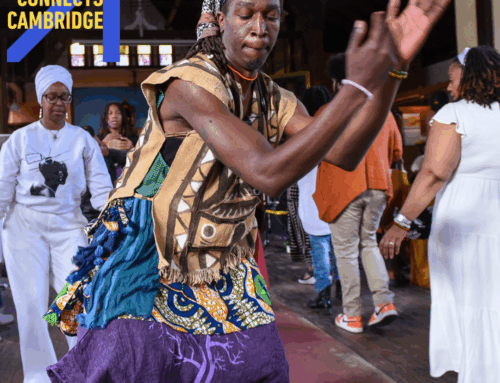
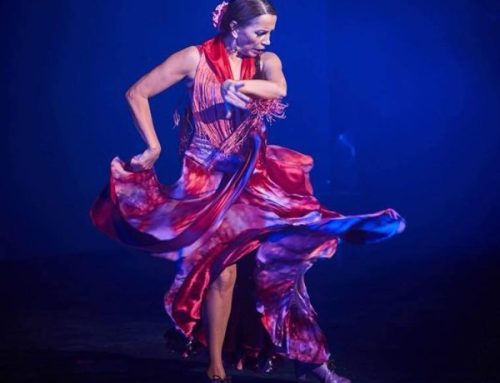
Elmer Martinez has grown Rebirth into a Cambridge-based festival and year-round programming designed to spark connection, exchange, and inspiration between diverse artists and creatives of all disciplines. Rooted in the tradition of original hip-hop park jams, street culture, and community club events, Rebirth creates an intergenerational, Afro-diasporic social arts space. Launched while studying at Emerson, Martinez set out to bridge institutional resources with Boston-area street artists, dancers, poets, and creatives who lacked affordable spaces, funding, and opportunities to be seen. Now rooted in Cambridge, Rebirth has evolved into a year-round ecosystem of performances, workshops, artist markets, wellness programming, and cultural exchange. By bringing together artists, community organizations, students, and creative leaders from across Greater Boston, Lowell, and New York, Rebirth fosters belonging, artistic growth, and cross-cultural collaboration while lowering barriers to participation. “It’s about building an ecosystem, a true community,” said Martinez. “The event changes and grows as the community needs, and so I’m keeping my ear to the ground.”
Mpowerment Labs — Erin Dullea, Mpower
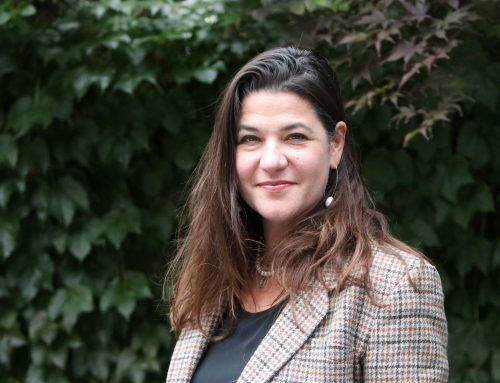
Co-founded by a Cambridge parent, Erin Dullea, Mpower transforms menstrual education into an experience where young people learn about and celebrate their bodies, build health literacy, and find their voice. Inspired by Dullea’s experiences as a mother and her professional experience as a facilitator, coach, and advocate for health and wellbeing, the program reimagines menstrual education as an empowering, community-centered experience rather than a source of shame or stigma. Partnering with Cambridge schools, Mpower facilitates joyful “period parties”, mentorship from older students, and most recently, the development of hands-on learning labs in partnership with MIT. Its innovative model brings together youth, educators, healthcare professionals, and community organizations to change the culture around menstruation and equip the next generation with the life skills to navigate health decisions. “We want to reach girls early—before shame sets in—and give them the language and confidence to advocate for themselves,” said Dullea.
Paint Your Truth — Vie Ciné
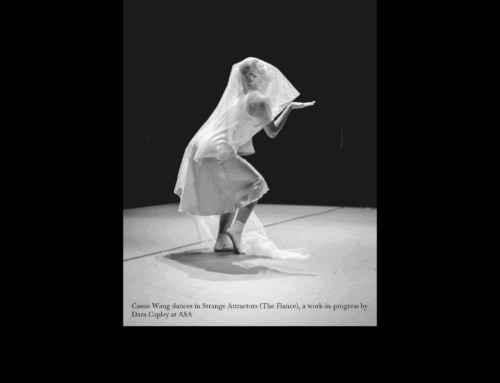
Artist and community facilitator Vie Ciné brings Paint Your Truth to her hometown of Cambridge, using process painting as a tool for healing, self-expression, and community connection. Paint Your Truth creates accessible and inclusive spaces where participants can explore creativity, practice self-care, and cultivate a deeper sense of belonging. Inspired by her own experiences and a commitment to community wellness, Vie facilitates guided painting experiences and reflective dialogue that encourage empowerment, connection, and collective healing. Over the past nine years, Paint Your Truth has evolved into a community-based model for wellness and engagement, partnering with organizations, libraries, and cultural institutions to expand access to creative and restorative spaces. Through this award, Paint Your Truth will partner with the Cambridge Families of Color Coalition and the Cambridge Public Library to offer intentional programming for Cambridge mothers of color and caregivers, strengthening intergenerational connections and supporting community well-being. “To be part of a community, you have to be whole within yourself,” Ciné said. “Self‑empowerment is how we show up as our full, healthy selves for each other.”
Visit our winners’ page to learn more. This year’s judges were Arun Skaria, head of DEI and corporate responsibility at Alnylam Pharmaceuticals; Becca Xiong, managing director of programs and engagement at Harvard Innovation Labs; Joseph Corazzini, assistant city manager for the City of Cambridge; and Michael Scarlett, an MIT Sloan MBA candidate and former chief of staff to Mayor Sumbul Siddiqui.
Created in 2019, the Imagined in Cambridge! Social Innovation Award uncovers emerging innovators working on some of the city’s most stubborn problems and helps their ideas grow. CCF also launched Making Good mini grants this year, offering $500 awards to community members who want to “Make Good” in their neighborhood. The new Making Good Award extends this spirit to established organizations, recognizing a nonprofit providing vital community service and whose work offers lessons the whole community can learn from. Both reflect CCF’s focus on economic mobility and social cohesion, the two pillars guiding the Foundation’s strategic work.
The Cambridge Community Foundation is the foundation of and for all of Cambridge, harnessing the power of collective action to ensure the city is vibrant, just, and equitable for everyone. The role of the foundation is to solve hyperlocal problems through partnerships and community action. Last year, CCF invested more than $5.2 million in grants to nonprofits offering programming in education, health and well-being, food, housing, community building, and the arts. In 2023, CCF launched a five-year strategic plan to reduce economic disparities and strengthen community bonds in response to growing inequities.