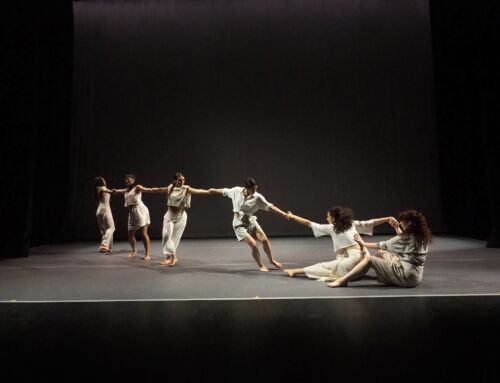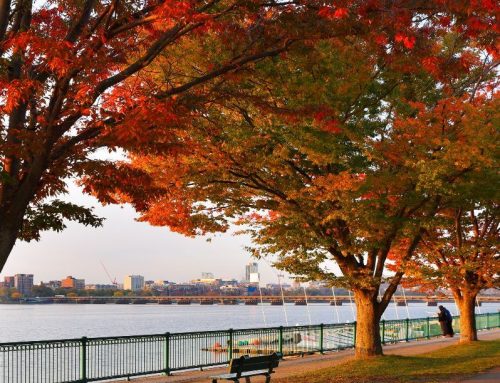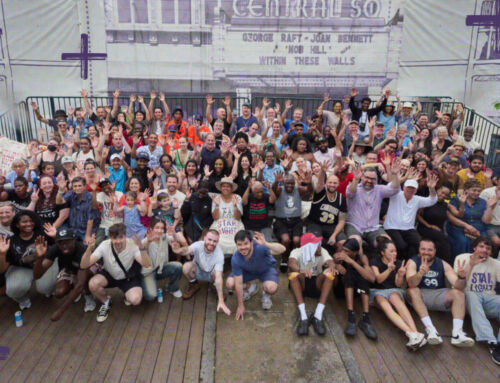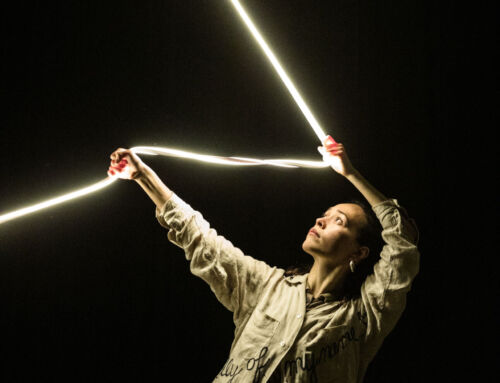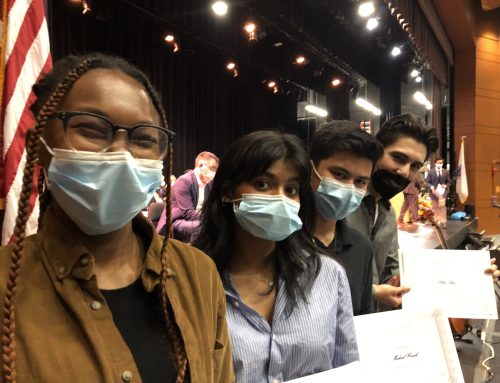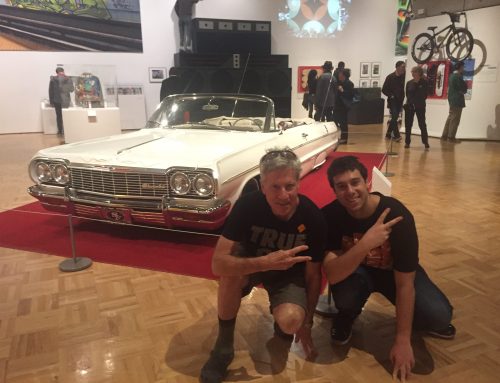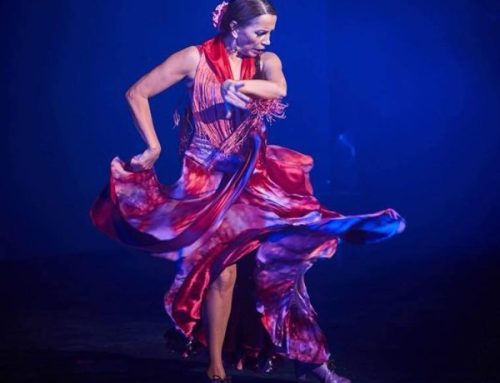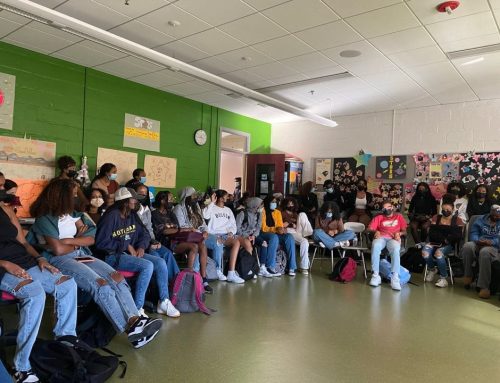
In a building that nearly became a parking lot, artists are creating the future while honoring the past. The Multicultural Arts Center (MAC) transforms part of a historic former courthouse campus into a space where people of diverse backgrounds tell their stories and build connection across differences.
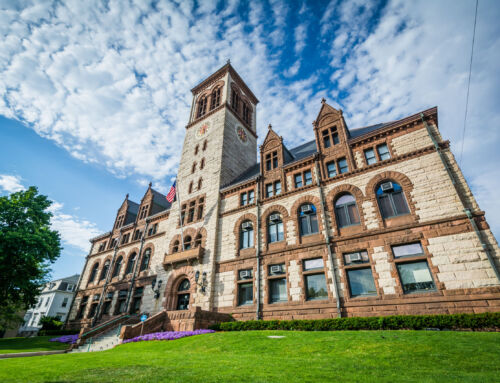
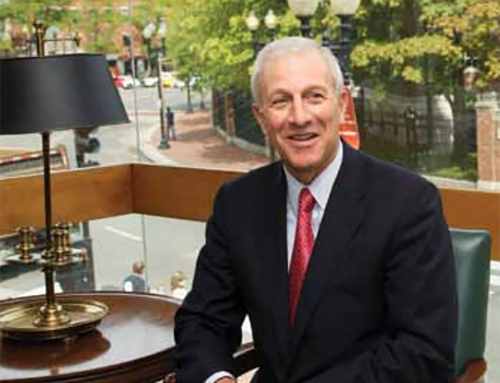
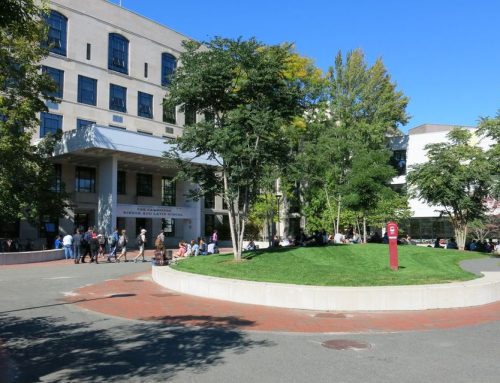
Founded in 1978, MAC was created to serve East Cambridge’s vibrant immigrant communities. The center occupies the old Clerk of the Courts building, part of a Charles Bulfinch-designed courthouse complex that housed the Middlesex County Courthouse for over 150 years. When the county relocated in the 1970s, intervention from then-Senator Paul Tsongas and the Cambridge Historical Commission saved it from demolition.
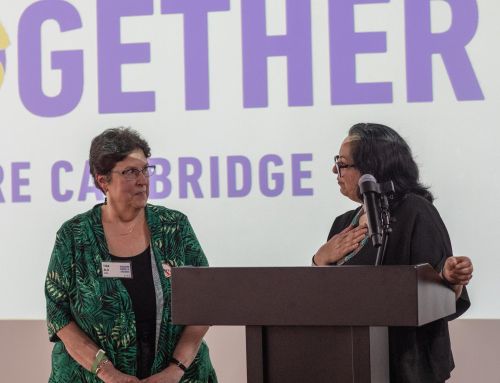
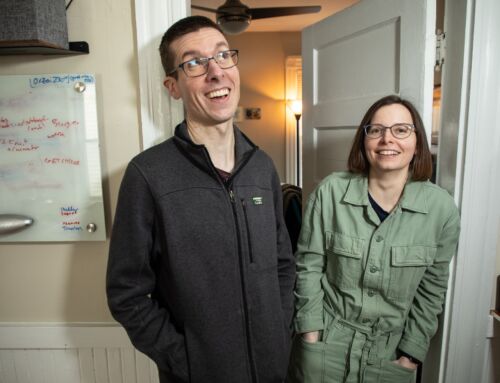
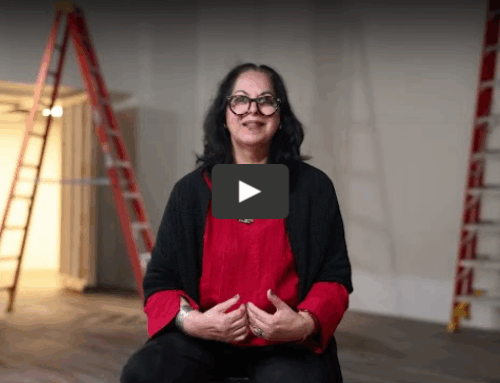
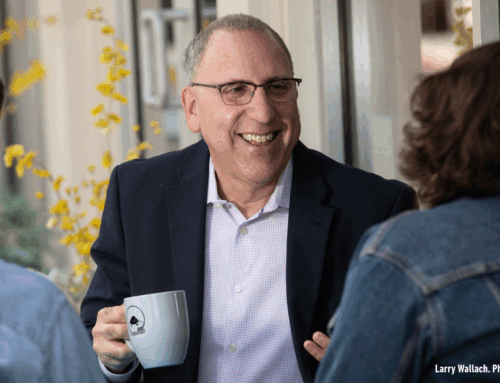
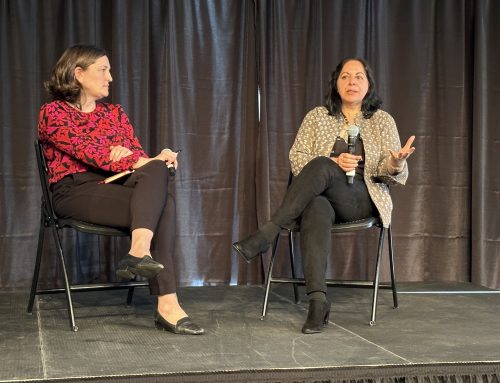
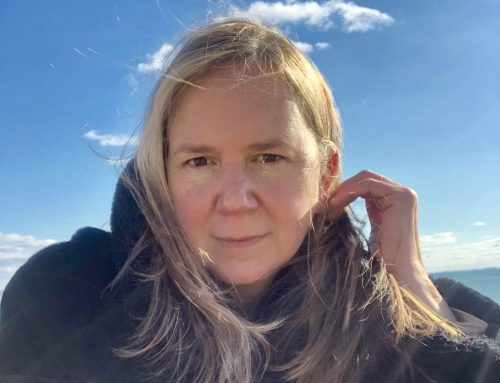
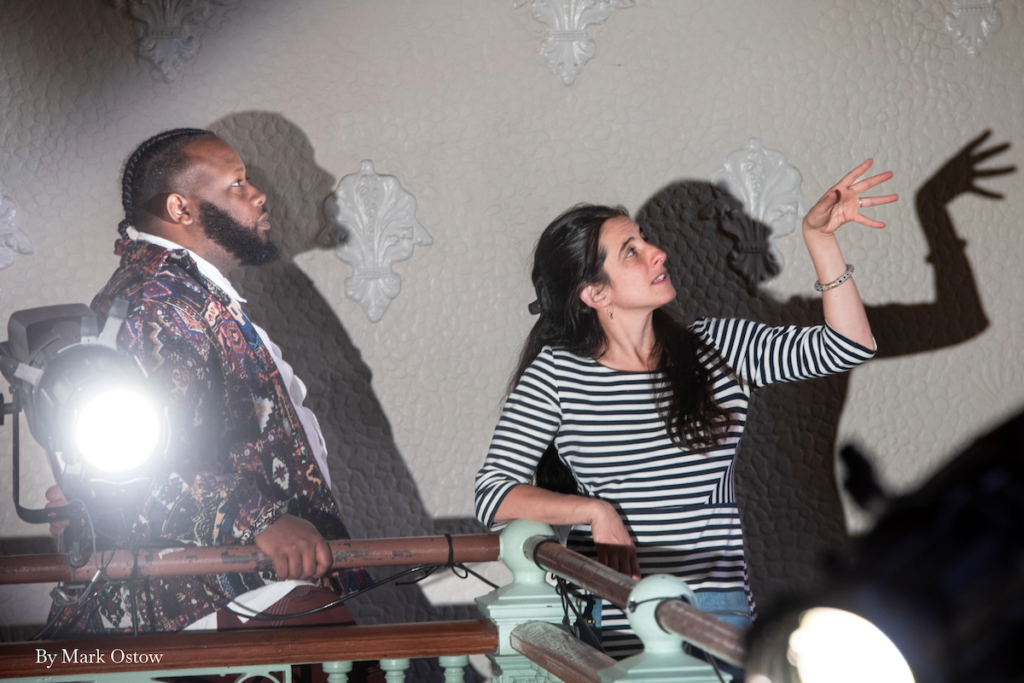
“We create a place for artists to tell their stories across differences,” says Adria Katz, MAC’s managing director. “The power of the arts is that it’s less didactic and more fluid, more conversational and dialogue-based. That’s how connection happens.”
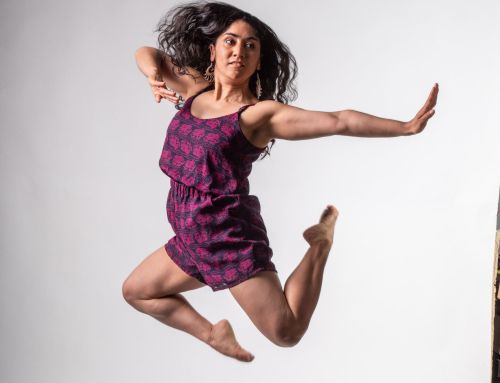
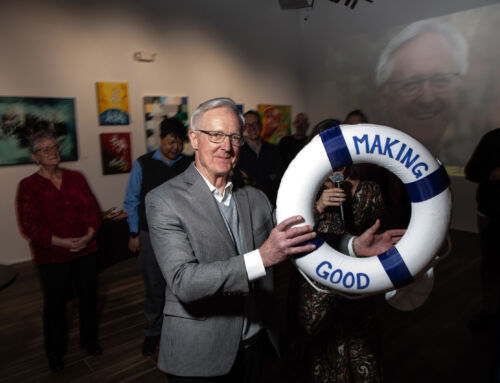
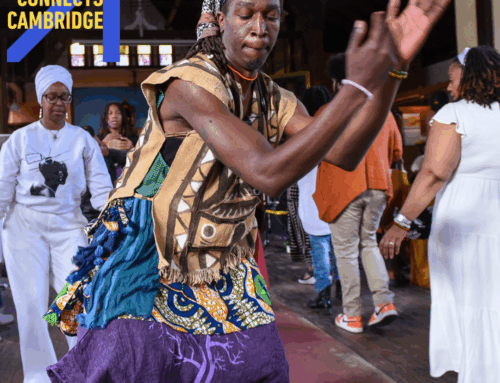
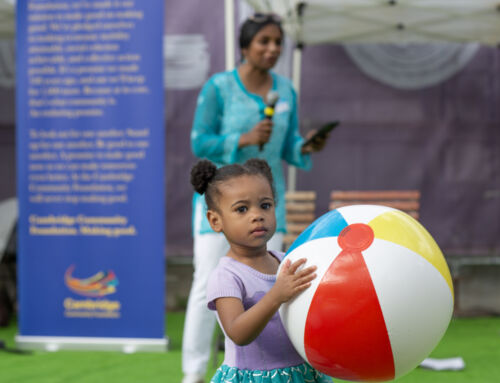
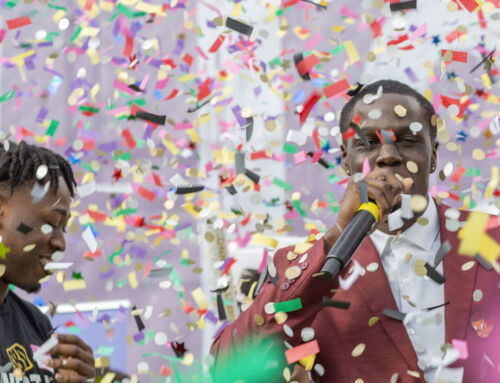
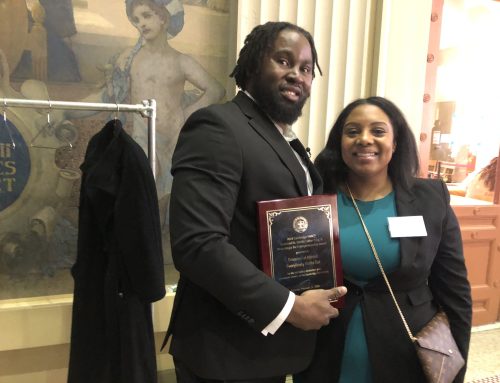
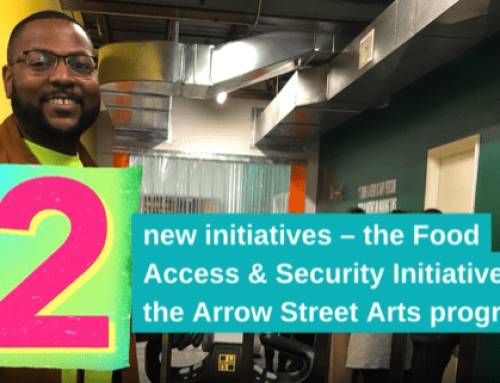
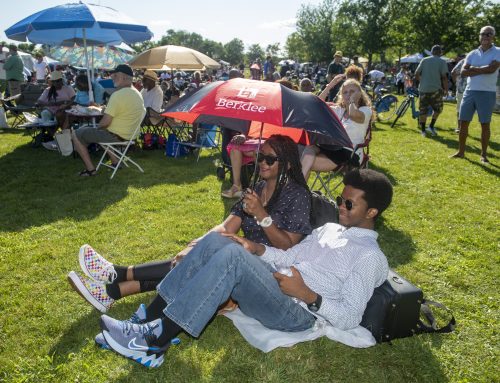
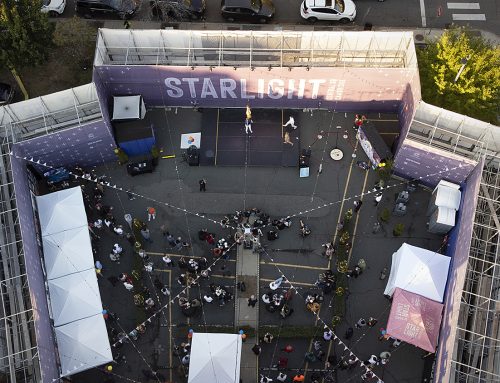
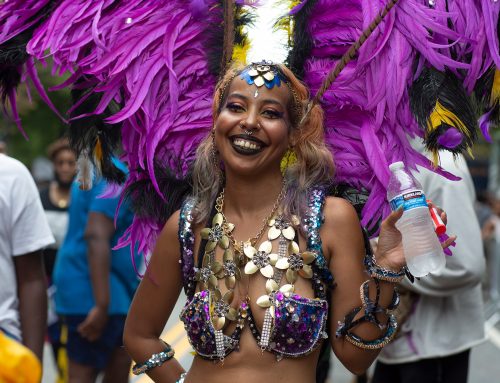
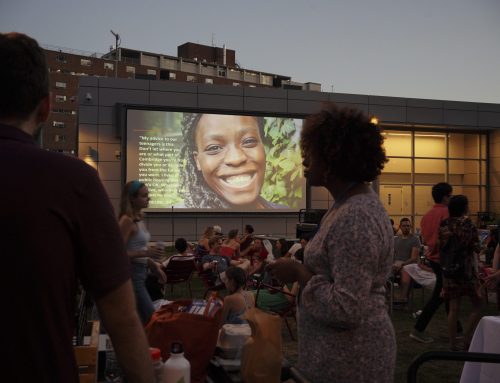
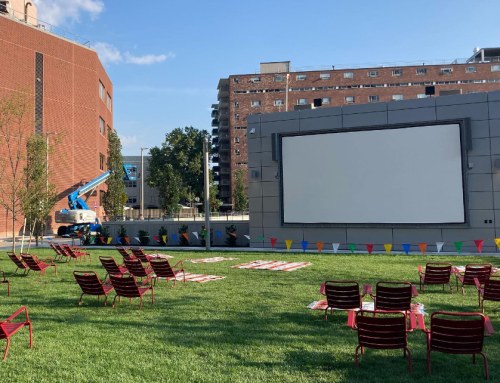
Since Artistic Director Najee Brown and Katz stepped into co-leadership, they’ve expanded MAC’s programming while centering artists. They launched an Artist in Residence program providing mentorship, stipend, and rehearsal space. They created the “Lift Every Voice” BIPOC Play Festival. They revived the Day of the Dead festival MAC hosted in the 1990s and early 2000s. Their summer series offers four free concerts celebrating different communities: Pride, Latin music, Caribbean culture, and a dance battle on Labor Day weekend.
More than half of MAC’s programming remains free or donation-based, and they’re working to make rental rates even more affordable, particularly for artists of color.
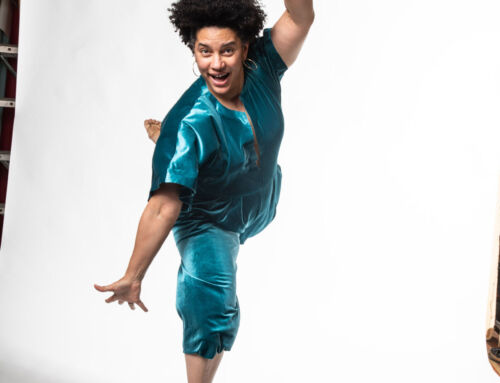
Both directors are artists themselves. Brown is a playwright and performer, Katz brings experience across multiple visual art forms. Their creative experience shapes everything they do. As Brown often quotes from his colleague Imari Paris Jeffries, executive director of Embrace Boston, “Art is the people’s language.” It’s a phrase that captures MAC’s artist-first ethos. When artists feel valued and supported, they create work that speaks to and connects communities in ways other forms of communication cannot.
“Artists are visionaries,” Brown says. “We’re historians, but we’re also futurists. Our job is to look at what happened before us and create something new. We’re time travelers, living in the future and in the past and in the present at the same time.”
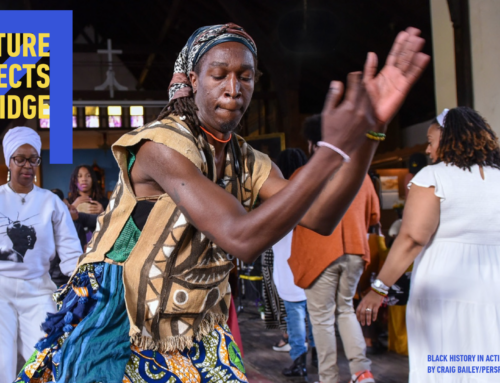
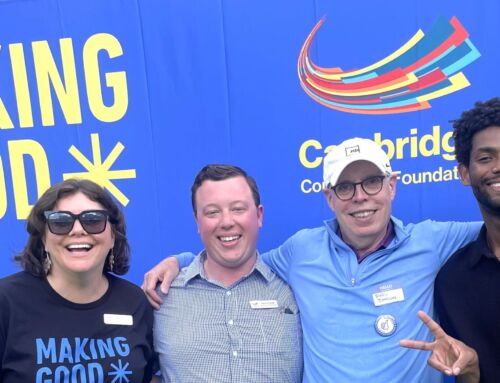
This understanding of artists as bridge-builders helped shape Cambridge Community Foundation’s Culture Connects Cambridge initiative, which awarded MAC a $150,000, three-year general operating grant as part of $1.4 million in investments to strengthen the city’s arts and culture sector. Research shows participatory arts create spaces of belonging that counter isolation, especially important when nearly half of U.S. adults report experiencing loneliness. The arts also support better civic participation and community resilience.
“You’re putting something on stage that somebody is going to relate to, and that’s going to build a bridge,” Katz says. “You’re having an experience that’s in part solely yours, but somebody else in the audience is going to share that experience with you. That’s common ground.”
As MAC prepares for its 50th anniversary in 2028, Brown and Katz continue the work that began decades ago: creating space where artists from all backgrounds can share their stories, find community, and imagine new possibilities together.