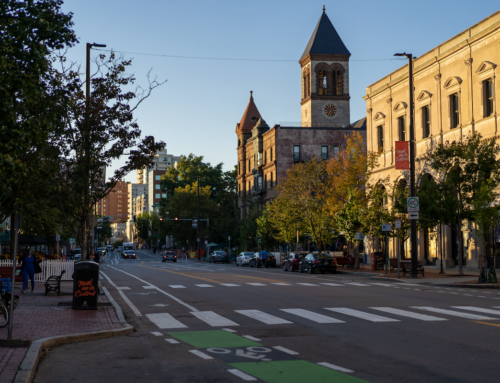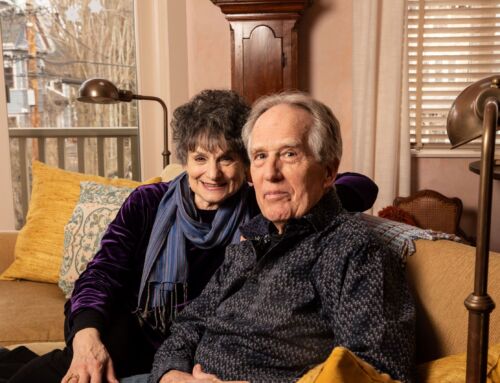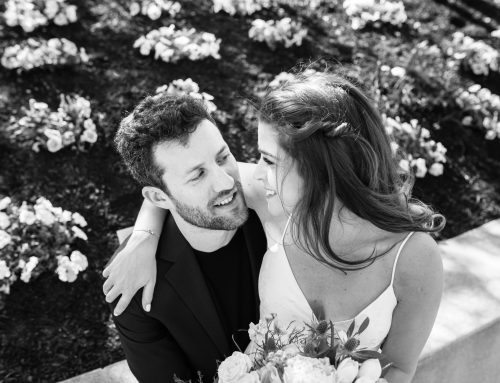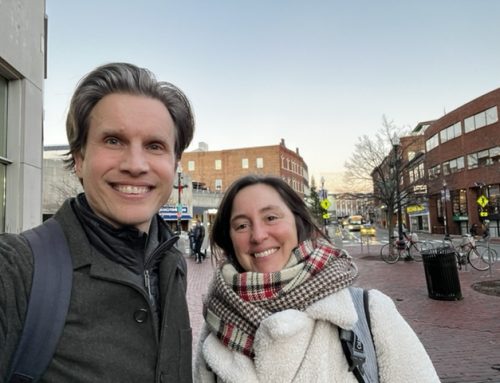
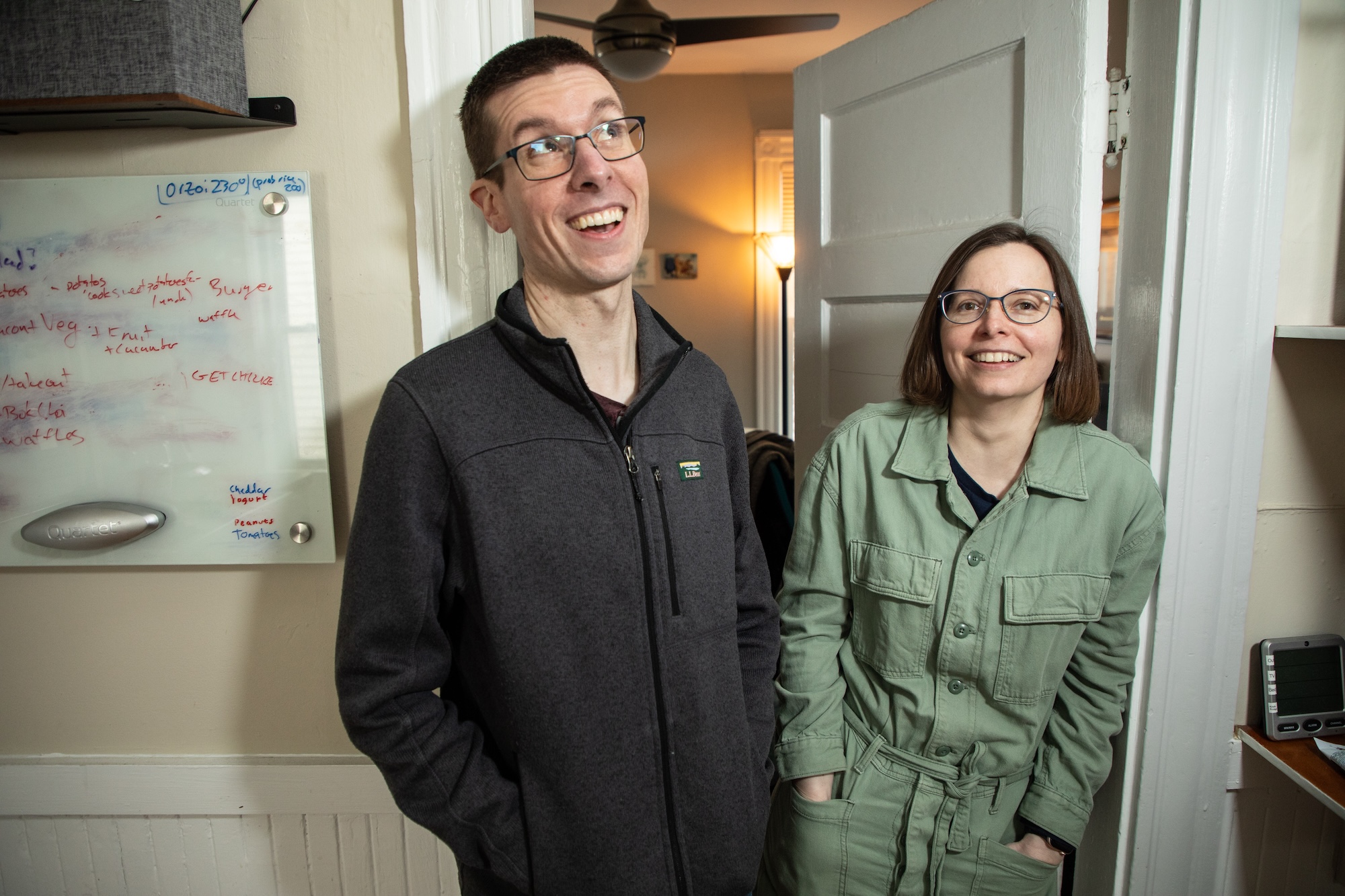
Elizabeth Kowalski and Edward Loveall landed in Cambridge the way a lot of people do. Elizabeth came for graduate school at MIT. Edward came from Berklee, where he majored in electronic music and where the tech-heavy coursework paved his way into programming. They met while Elizabeth was in grad school and moved in together in East Cambridge. When they started looking for a house, they pulled out a map and drew a triangle. Davis Square at one corner, Alewife at another, Route 2 at the third. The house they bought in North Cambridge sits almost exactly at the center of that triangle.
Elizabeth now works at Commonwealth Fusion Systems, the MIT spinout building a fusion device in Devens. Edward is a programmer. They love that Cambridge keeps throwing the unexpected at them. Edward still talks about the day they stumbled onto a circus parade walking elephants down the street. For a city that can feel dense and transient, they have also found it surprisingly easy to know their neighbors. The backyards on their block are connected, and it was a grill conversation one evening that introduced Elizabeth to the neighbor across the way.
Edward and Elizabeth had reached a point where the bills were paid, they had disposable income, and they were looking for a more deliberate way to give back. When Edward started looking into donor-advised funds, his mind went where most people’s do. A well-known commercial sponsor. Then someone mentioned that community foundations host DAFs too. He searched Cambridge donor-advised fund. CCF came up. “This seemed too good to be true,” Edward says. “It’s not some faceless thing. We know the people who work there.” For Elizabeth, the appeal was simple. “We wanted to focus locally,” she says.
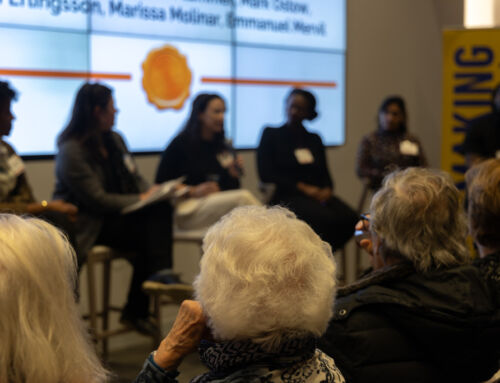
They opened their fund in December 2024. Three months later, they co-invested in the Community Fund for the first time. Elizabeth went to the Foundation’s Zoom briefing for CCF DAF holders that year and watched CCF’s programs team walk through how the applicant pool had been reviewed. “They make it easy,” she says. “You can deep-dive into the details as much as you want, but you can trust that your money’s being used in a way that’s going to help.” They co-invested again this year. The collective aspect is part of the appeal for Edward. His and Elizabeth’s dollars sit alongside other Cambridge donors’, and other Cambridge neighbors help decide where they go. “You’re not alone in this,” he says.
For Edward, local giving is a reckoning with what one person can reasonably do. “I can’t be the hero who saves the United States,” he says. Cambridge, by contrast, feels tractable. “I can work on this city. That seems doable. That seems achievable.” Elizabeth comes at it from the same place. “When you look too broadly, problems feel impossible,” she says. “Look locally, and you feel like you can make an impact.”
Elizabeth grew up in Pennsylvania. A handful of small scholarships kept her on track through her engineering degree at Penn State. Years later, she started one at its Schreyer Honors College for first-generation college students and uses her CCF DAF to support it.
Edward, meanwhile, works with Upgrade Cambridge, the grassroots group advocating for a municipal broadband network.
Asked what they would tell other young professionals considering a DAF, Edward didn’t hesitate. “If you are feeling lost about how to help or where to give, this is a great way to start. You don’t need millions of dollars. If we’d known this existed, we could have done it way earlier.”
Interested in creating a fund of your own? Contact: [email protected] to start the conversation.