 At Cambridge Community Foundation, we're honored to work with hundreds of individuals, families, and businesses who support a wide range of charitable causes. The generosity and commitment across generations and demographics inspire our team every single day.
Increasingly, women are leading charitable decisions in their families, especially as more women are serving as primary financial decision-makers, according to Indiana University's Lilly Family School of Philanthropy's Women Give 2024: 20 Years of Gender & Giving Trends. Women's growing control over wealth is fueling transformative potential to reshape philanthropy. As women step more fully into philanthropic leadership, thoughtful planning can help ensure that their giving remains impactful and sustainable.
Here are four examples of how your awareness of these trends can play out in your day-to-day practice.
Help your clients give through thick and thin.
According to the Women Give 2024 study, over the past two decades, single women experienced a smaller decline in charitable participation than single men, and their average giving amounts held steadier or increased in certain contexts (e.g., secular causes during COVID-19). Be aware of this trend as you represent single women; it may be a priority for them to continue giving even when times are tough. CCF can help you develop a charitable giving plan to enable women-led philanthropy to continue through life's ups and downs.
Discuss national trends and local needs.
According to the Women's Philanthropy Institute at Indiana University's Lilly Family School of Philanthropy, for the first time, between 2022 and 2023, giving to women's and girls' organizations surpassed 2% of overall charitable giving. This represents over $11 billion going to women's and girls' organizations each year. Note, however, that when adjusted for inflation, the amount actually declined between 2021 and 2023. This trend is worth mentioning to clients, especially with the help of the CCF team to share parallel local trends and opportunities to make an impact.
Ask about all forms of philanthropy.
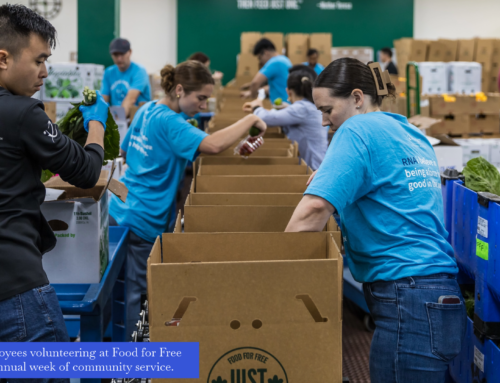
According to the 2025 Bank of America Study of Philanthropy: Charitable Giving by Affluent Households, 43% of affluent households volunteered in 2024, up from 37% in 2022—volunteers tend to give more and support causes more deeply, a pattern often stronger among women. Be sure to ask your clients about causes they support both financially and through volunteerism.
Tailor advice for your clients.
Research shows that giving trends vary by household type. For example, single women maintaining more consistent giving patterns over long periods. Pay particular attention to your clients' past giving trends to help develop thoughtful charitable giving plans that reflect their desired impact. The team at CCF can help maximize both impact and financial planning goals as you serve these clients.
As is the case when you are working with any charitable client, our team is honored to be your partner. Whether your client is establishing a new structure, building a comprehensive strategy around an existing donor-advised or other type of fund, or navigating inherited philanthropic responsibilities, we are here to help ensure their giving reflects both enduring legacy and evolving purpose.
With any questions about CCF's philanthropic partnerships, please contact Michal Rubin, [email protected].