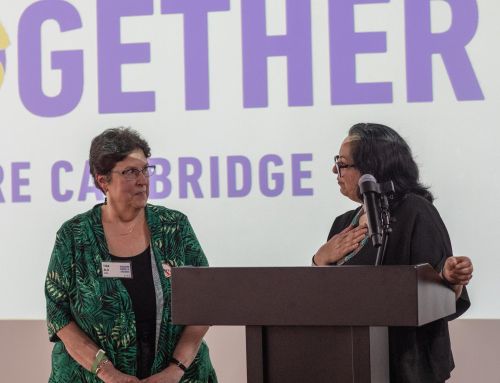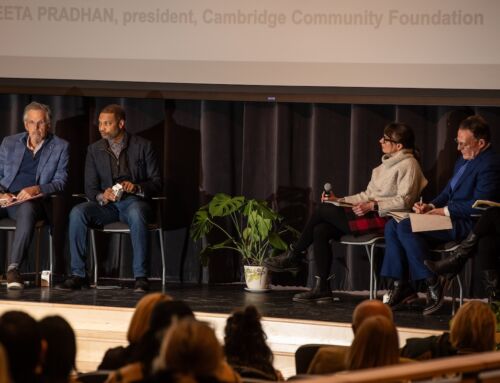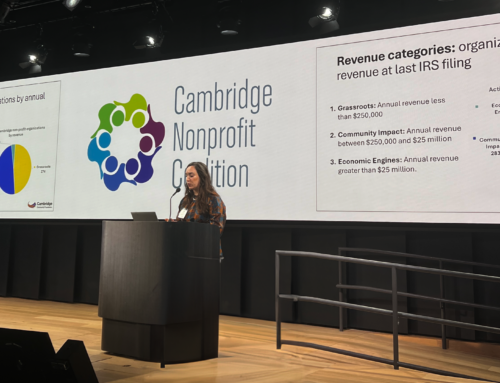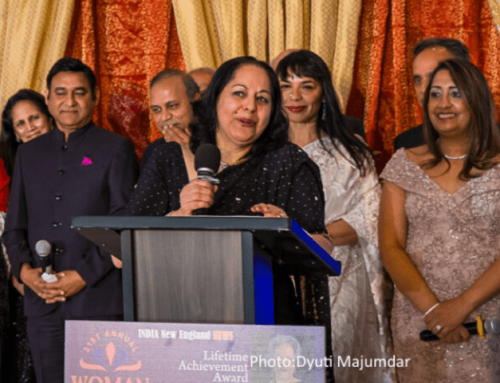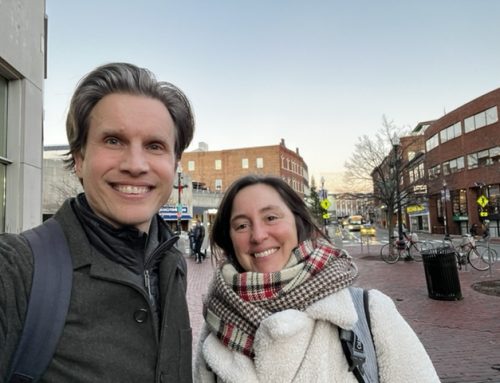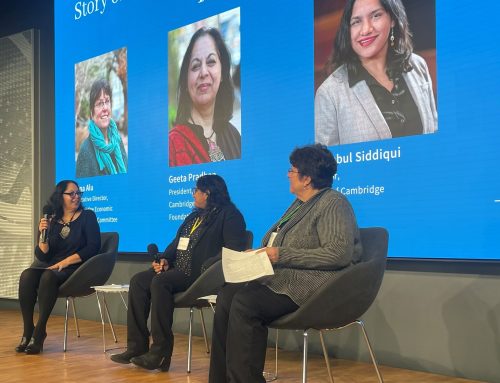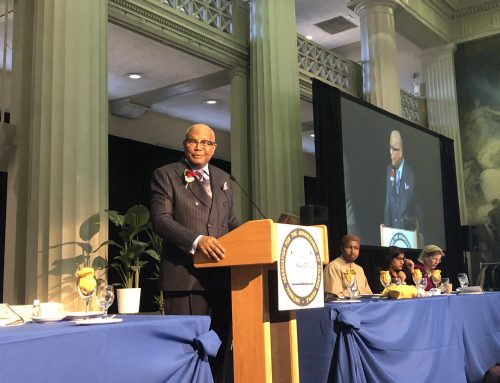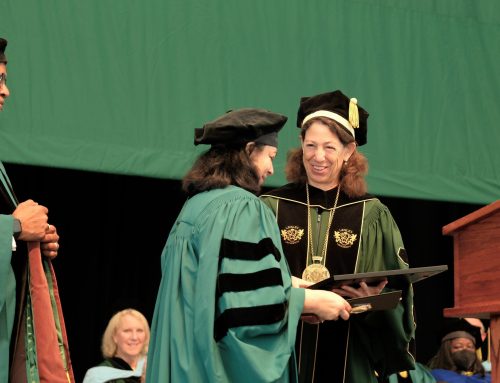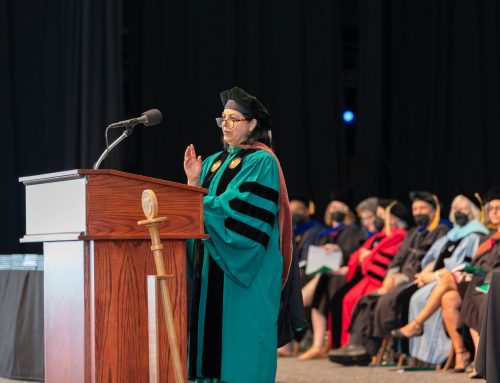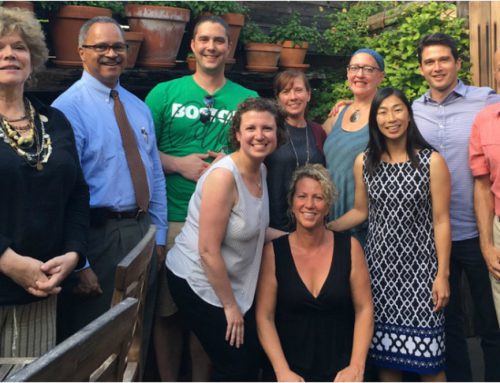
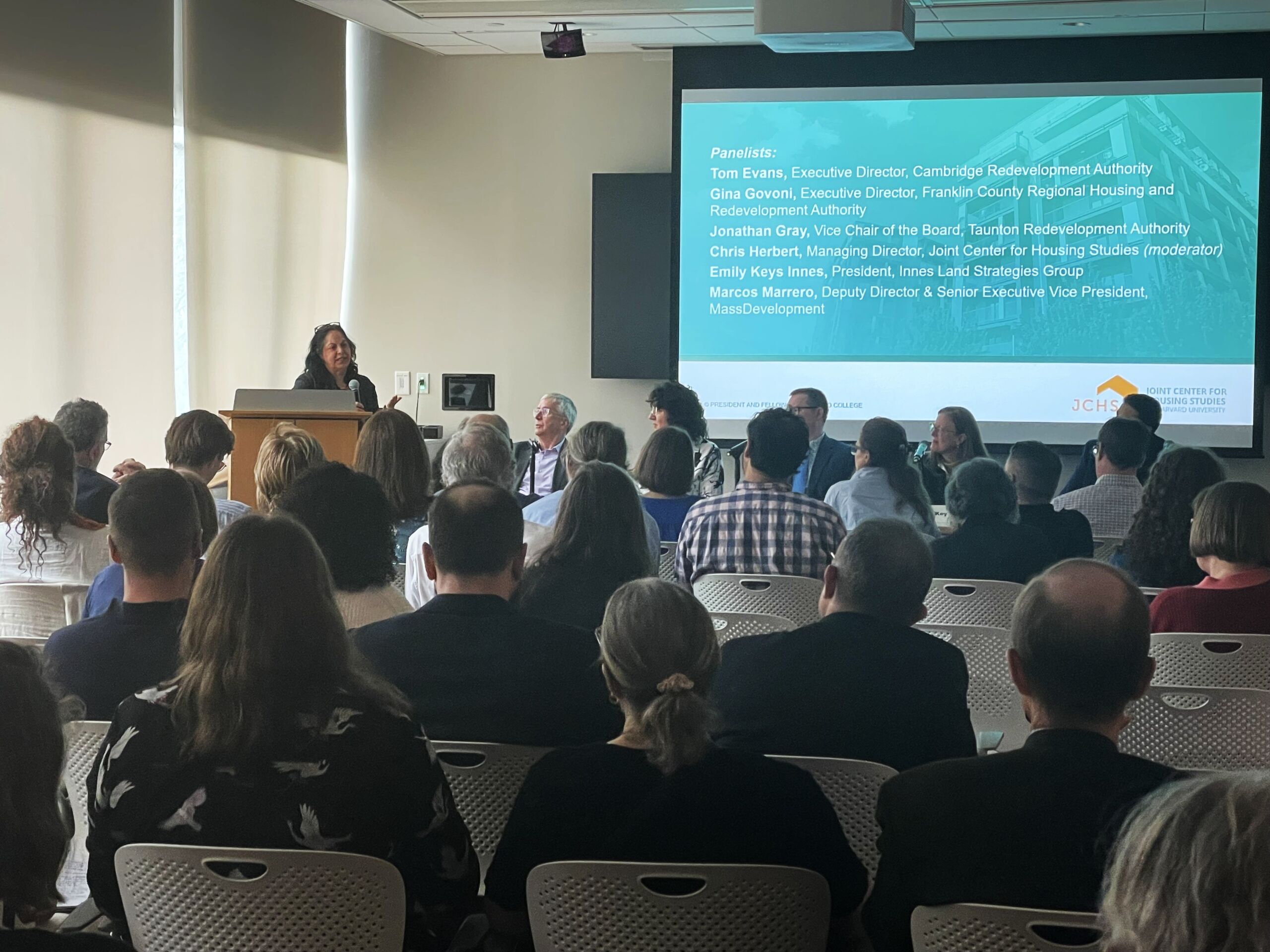
CCF President Geeta Pradhan speaks at an April 14 event, “Beyond Urban Renewal” at Harvard Kennedy School.
High-cost cities like Cambridge are losing middle-income families due to the lack of housing affordable to them. This pressing challenge is the subject of a new paper exploring how redevelopment authorities might be tapped to build “social housing” as part of the solution. The paper was issued by the Harvard Joint Center for Housing Studies.
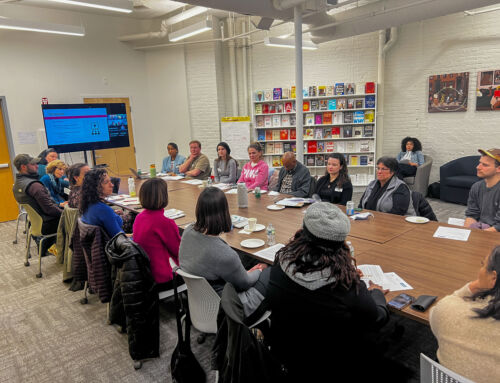
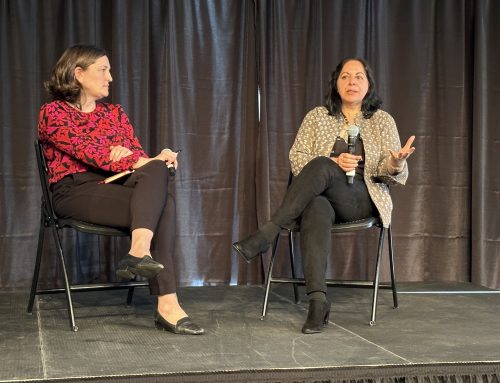
The paper’s authors, Chris Herbert, the Center’s managing director, Susanne Schindler and Becca Heilman, define social housing as “homes serving a broad range of household incomes in which the public sector has an active role in planning, financing, and ownership, and which are managed to ensure long term affordability.” Funded by the Cambridge Redevelopment Authority, the Cambridge Community Foundation, and the Rappaport Institute for Greater Boston, the paper was discussed by housing experts and practitioners at a panel on April 14.
Redevelopment authorities were created in the 1950s to address urban blight, stabilize local economies, and maximize real estate values. The report argues that emerging social housing models have largely overlooked redevelopment authorities as potential actors in meeting middle-income housing needs—despite their status as public entities with powers that could be put to use in land assembly, planning, and financing. With concrete reforms at the state, regional, and local levels, redevelopment authorities, working with housing authorities, nonprofits, or the private sector, could be well positioned to help make social housing a reality.
According to Herbert, the managing director of Harvard’s Joint Center for Housing Studies and moderator of the panel, the pressing housing issue 25 years ago was ensuring access to affordable housing for very low-income residents. Today, he said, the challenge is that middle-income residents often lack access to rental housing they can afford—and have few clear pathways to homeownership. That, panelists noted, affects not only individuals but communities as a whole.
“At the end of the day, we should be thinking not just about housing units, but how to make housing homes for people,” said Jonathan Gray, a transportation planner and vice chairman of the Taunton Redevelopment Authority’s board of directors.
“How do you bring in new housing in a way that supports residents who have been there for a while and residents who are new to the area—and helps them create a web of connections that strengthens the community as a whole?” said Emily Keys Innes, an urban planner and president of Innes Land Strategies Group. “Redevelopment authorities can have that higher view of how to connect disparate pieces into the greater whole.”
The City’s Envision Cambridge plan lays out a goal of 12,500 units by 2030. Cambridge has taken steps to expand affordable housing for middle-income residents, including the Cambridge Affordable Housing Trust’s creation of more than 900 affordable homes over the past five years. However, much more housing is needed and will require creative solutions to meet the demand, particularly for middle-income families and for the city’s long-term health and vitality.
“Over time, Cambridge has lost much of its middle—with the housing market increasingly accessible to the wealthier, and the City’s important commitment to affordable housing serving as an important source of stability for lower-income populations,” said Geeta Pradhan, president of the Cambridge Community Foundation. “But we also need housing for those who live and work in our communities—for municipal employees, nonprofit workers, teachers, and those who support our local economy and work in our labs and local industries. Social housing holds that promise and the opportunity for greater social cohesion. We look forward to working with our partners to make it happen.”