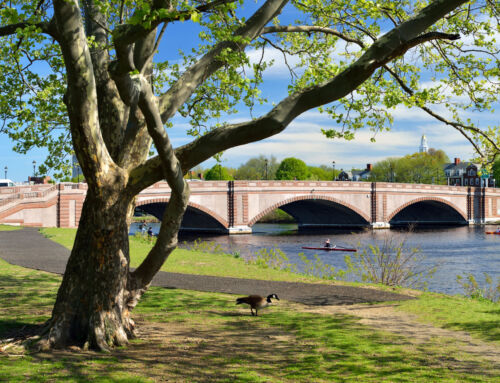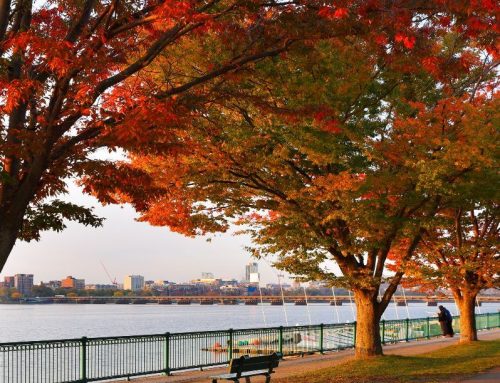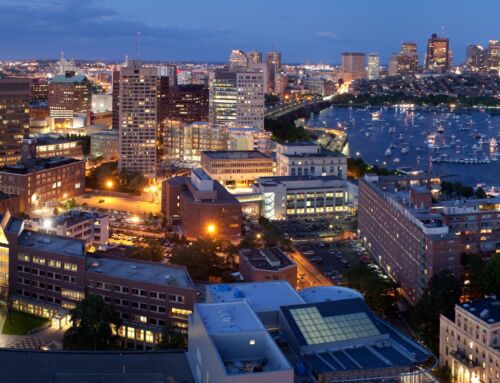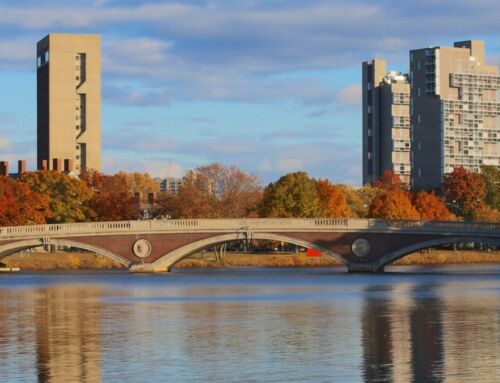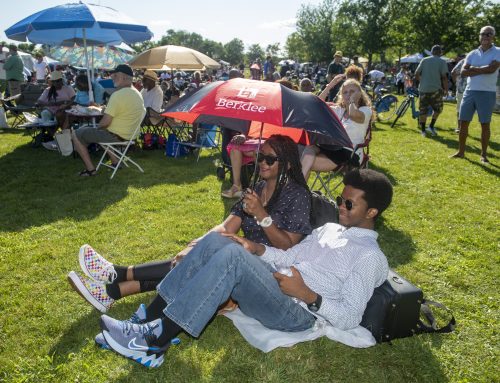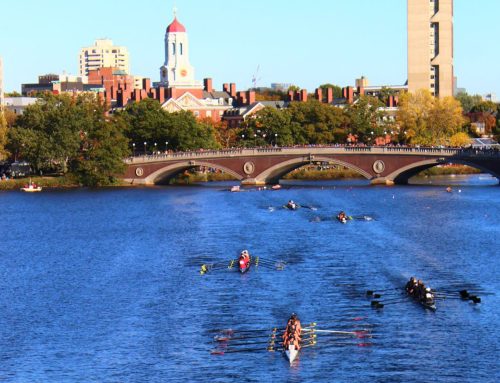
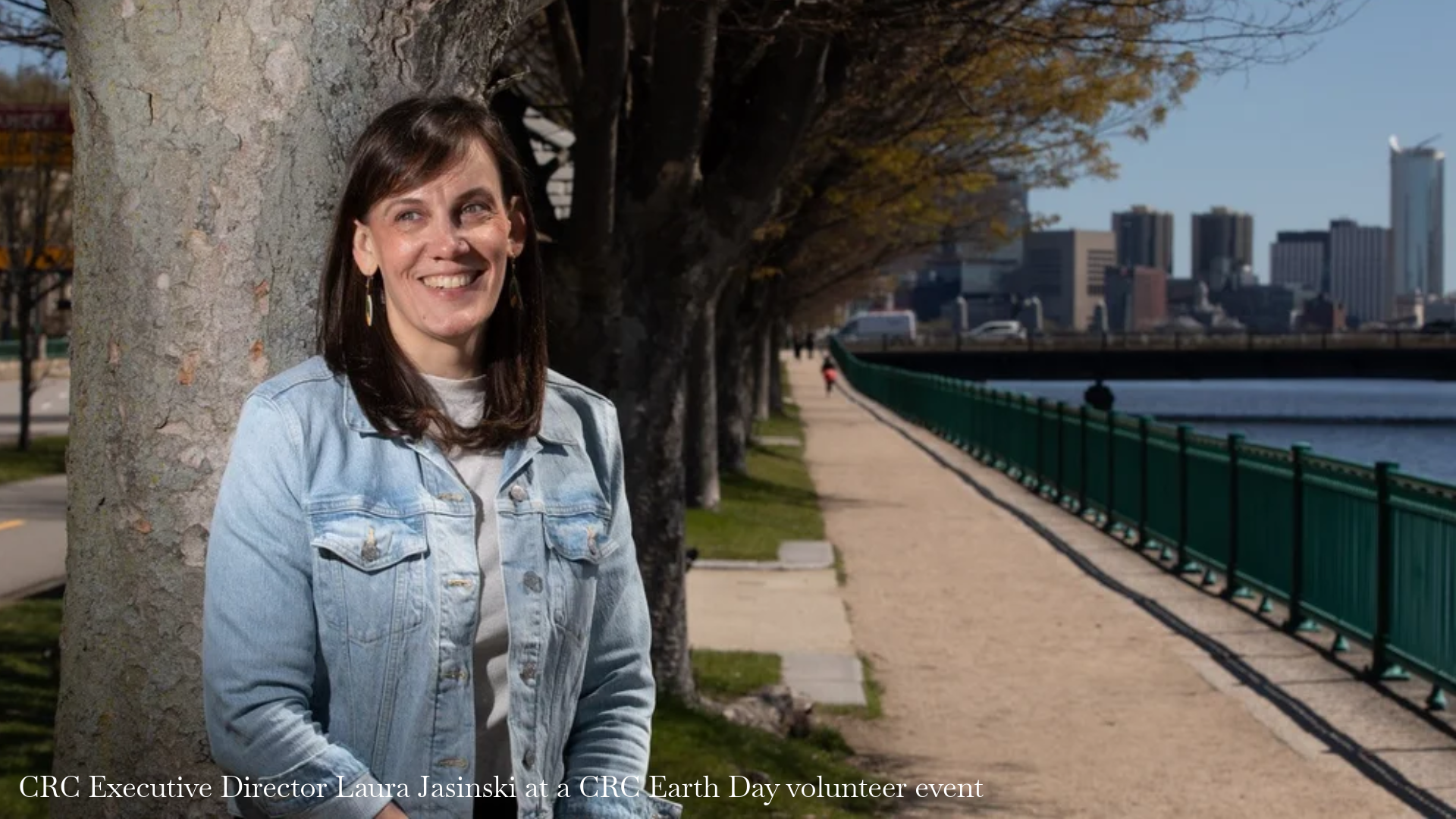
Until the 1940s, people swam at Magazine Beach. It was a bathing beach, a place Cantabrigians cooled off on hot summer afternoons. Industrial pollution ended that, and for decades the Charles River carried the combined runoff of sewer and stormwater pipes.
By the 1990s, the Environmental Protection Agency was giving the Charles a D grade on its annual water quality report card. “Dirty water,” as the song called it. Today the river earns a B+, sometimes an A-minus.
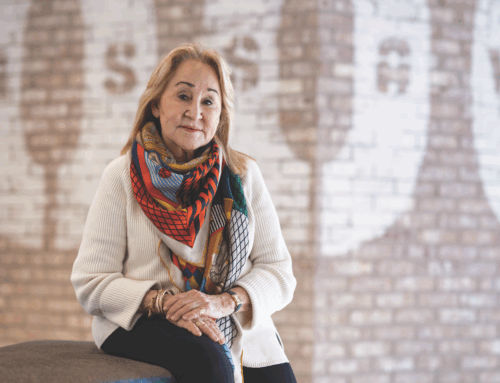
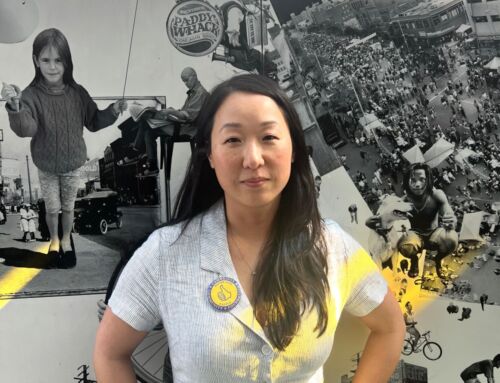
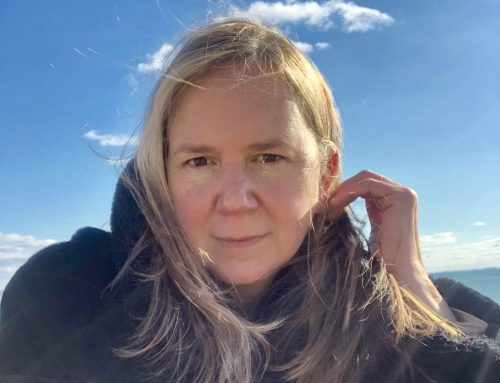
“Look at what we did when we invested in the health of the river,” says Laura Jasinski, executive director of the Charles River Conservancy. “We made huge, measurable progress. Yes, it’s not going to be easy, and it does have cost. But look at the return.”
That combination, honesty about the challenge and confidence about the work, runs through everything CRC does. A Community Fund grantee, CRC has been a CCF partner since 2001. The organization was founded in 2000 by Renata von Tscharner, a Cambridge architect and urban planner trained in Switzerland, where river swimming is part of urban culture. She wanted the same for the Charles. CRC works closely with its main state partner, the Department of Conservation and Recreation. Supporting DCR’s work by bringing in resources, volunteers, and community engagement remains core to CRC’s mission.
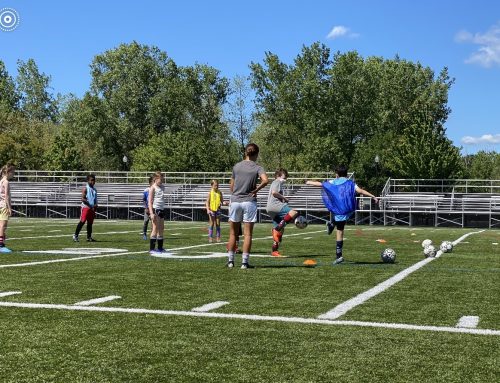
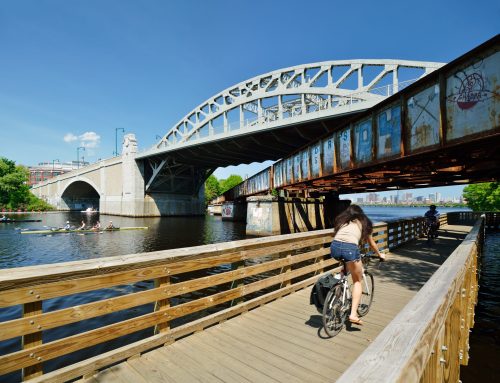
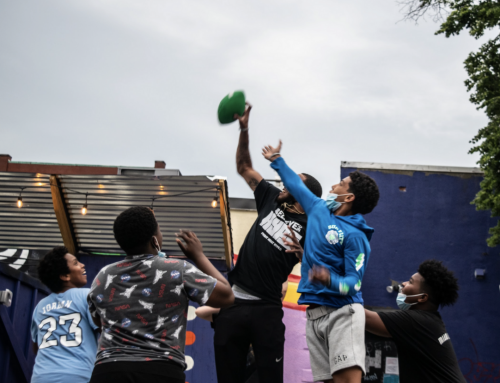
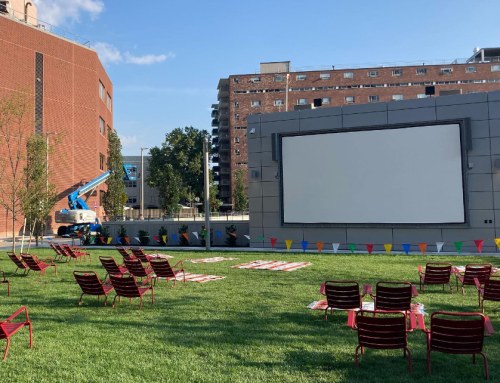
What that looks like on the ground is varied. CRC stewards the ten-mile stretch of parks from Watertown Square to the Charles River Dam. Volunteers clean up Hell’s Half Acre, seven wooded acres of wetland and shoreline across from BBN that feel, Laura says, “like you’re in the middle of the wilderness.” A floating wetland CRC designed absorbs the nutrients that contribute to algal blooms, and doubles as a classroom: local education classroom students build their own wetland kits. At Richard McKinnon Park, the 40,000-square-foot Lynch Family Skatepark, which CRC spent fifteen years designing, fundraising, and building, draws riders from as far away as Portland, Maine.
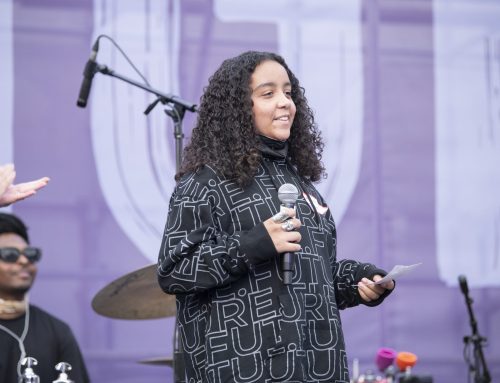
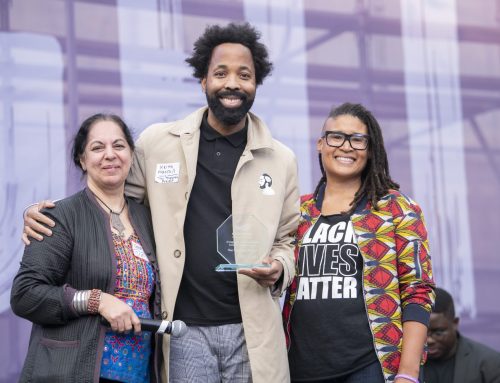
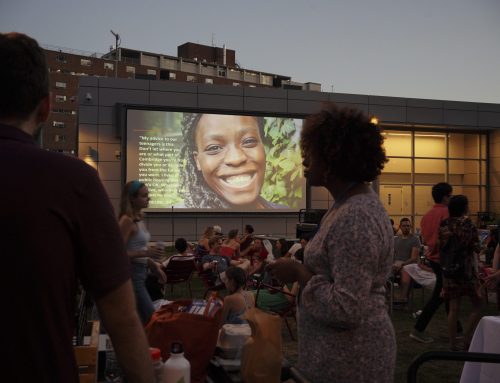
That range is intentional. “I’ve heard us described as a peacock,” Laura says. Parks serve people in different ways, so a park organization has to, too. The peacock fans out: volunteer cleanups, public art, environmental education,
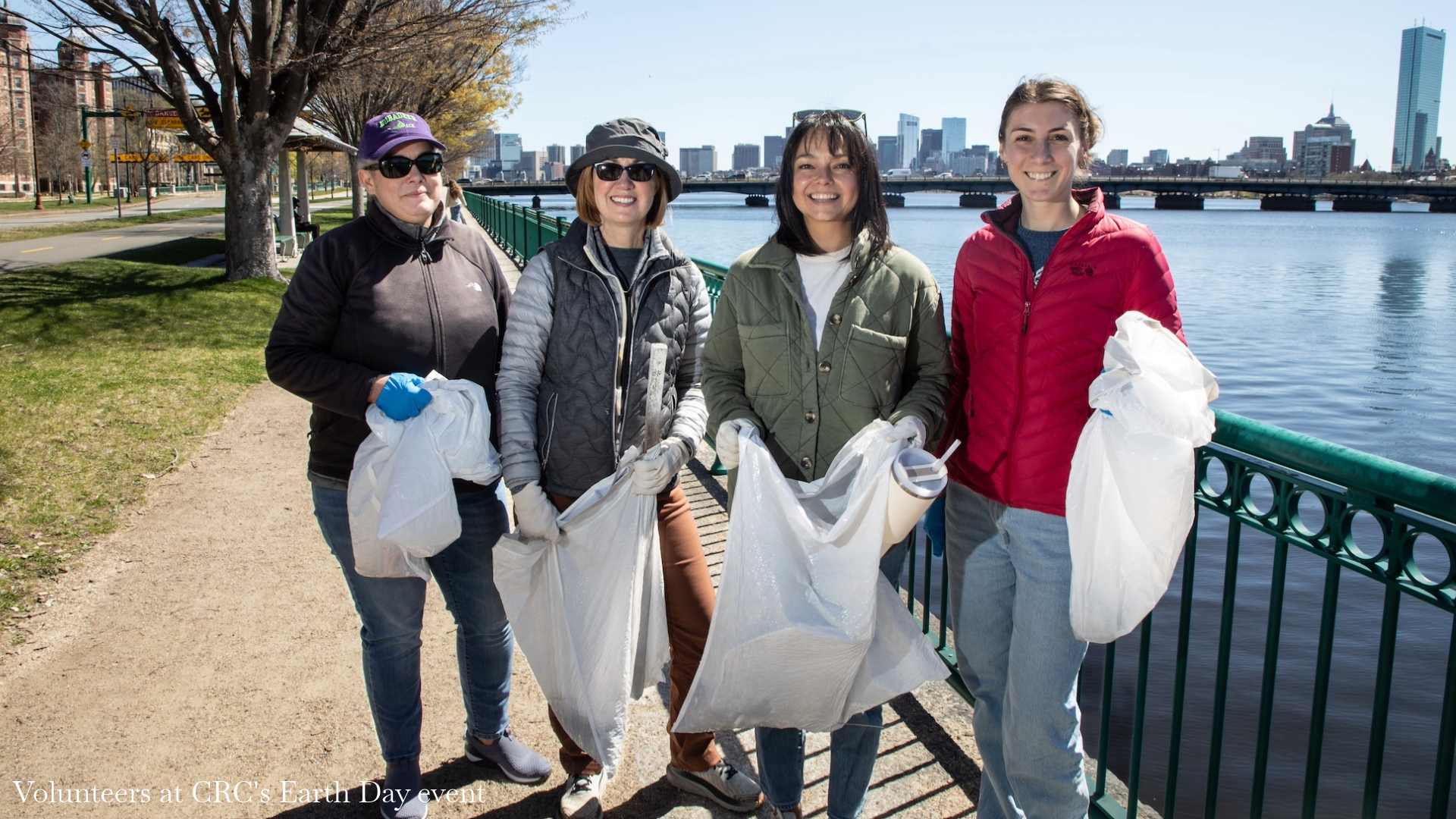
skatepark programming, and, every July, City Splash, the one day each year the public can legally swim in the Charles. When registration opens each spring, all available swim spots are snatched up in a matter of hours.
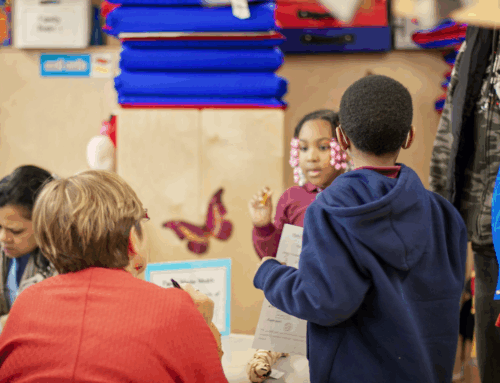
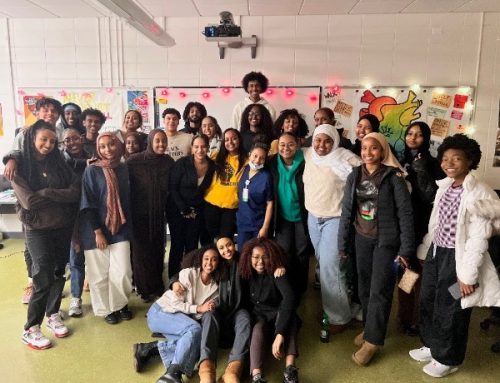
CRC builds nearly everything in collaboration. A teen public art program at the Community Art Center 3D-printed a model of the Skatepark for community input sessions. East End House runs kayak trips to the floating wetland. Morse School students help program Magazine Beach.
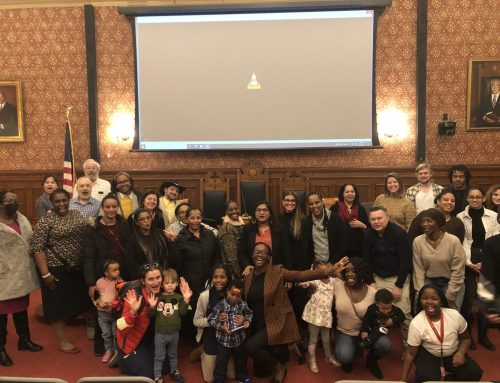
“We really try to do everything we do in partnership,” Laura says. “There are so many great folks, especially in Cambridge, doing really great work. How do we make something better together?”
That instinct, she says, is what makes Cambridge distinct. Innovation here isn’t limited to biotech and Kendall Square. Cambridge nonprofits are constantly inventing new approaches to entrenched problems, and they do it collaboratively, with a baseline assumption that partners can stretch scarce resources further than any single organization could alone. CRC’s job, as Laura describes it, is to be a platform for that work: a multiplier for the good already happening, and an on-ramp to the river for the communities that have not yet found their way to it.
Her tagline for all of it: “Everybody deserves a core memory on the Charles.” A core memory, she clarifies, means a positive experience worth remembering, the kind that turns a casual visitor into an advocate.
Ask Laura what she wants the rest of Cambridge to do and her answer is simple. Come find your memory. Take a kayak out to the wetland. Watch the skaters at North Point. Walk Hell’s Half Acre and forget, for a few minutes, that you are in the middle of a city.
“If you care about something,” she says, “it changes how you advocate for it, how you invest in it, how you think about it.” The Charles has carried a challenging history. It is now carrying something else too: the possibility that a river, and the communities around it, can keep getting better.
To learn more about Charles River Conservancy’s work, visit: https://thecharles.org