Most companies that bet on RNA interference in the early 2000s eventually walked away. Alnylam Pharmaceuticals stayed.
The Cambridge-based biopharmaceutical company was founded in 2002 on a then-unproven premise: that a process called RNA interference, or RNAi, could be developed into medicines that “silence” disease-causing genes. The underlying science was discovered just a few years earlier and went on to win the Nobel Prize in Medicine in 2006. The path from discovery to approved medicine took two decades. In 2018, Alnylam’s first commercial medicine became the world’s first FDA-approved RNAi therapeutic. The company now has six approved medicines, a growing global pipeline, and late last year they reached profitability for the first time.
The growth of the company has allowed Alynlam to increase its corporate responsibility commitments and upon learning of CCF’s work in the community, Alnylam joined CCF this year as our lead sponsor with a $50,000 gift.
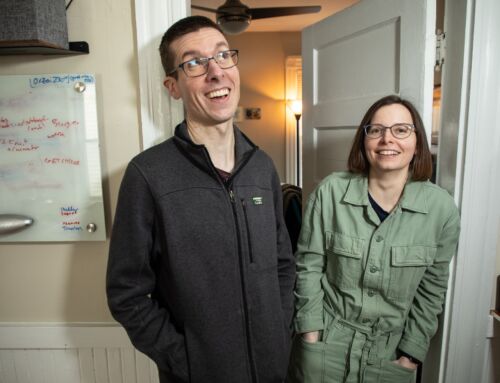
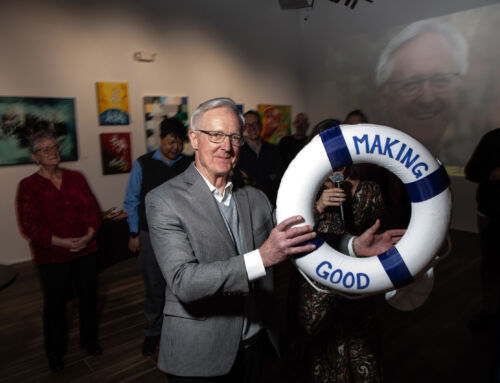
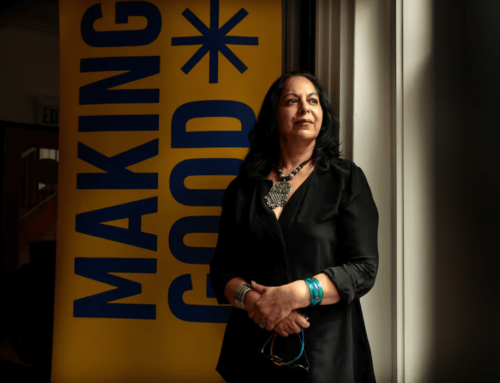
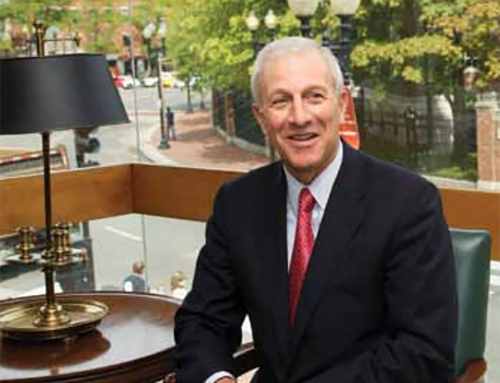
“We recognize that our achievements bring increased expectations and responsibility,” says Arun Skaria, Alnylam’s head of diversity, equity & inclusion and corporate responsibility. “It allows us to invest resources back into the community.” He calls it a leadership commitment to do more.
He calls it a leadership commitment to do more.
Most of Alnylam’s employees live and work in Cambridge and Boston, and the company’s headquarters in Kendall Square places it at the center of one of the world’s densest concentrations of biotech activity. As a board member of the Kendall Square Association, Arun has a clear view of the contrasts. “When you go to parts of East Cambridge, you see disparities in housing and food insecurity,” he says. “But you also see hidden opportunities, like making sure students from local high schools and middle schools are exposed to STEM.”
Companies that have benefited from the technology revolution, Arun believes, have a responsibility to help close those gaps. “We can’t solve a lot of these big issues by ourselves,” he says. “We’re a mid-size biotech company that’s growing. We love the idea that we can be part of an ecosystem trying to solve these big challenges.”
Arun values CCF’s multiplier effect. CCF works directly with nonprofits on the front lines, building capacity and magnifying the dollars that come in. “The pulse of that is driven by those on the front lines,” he says. “CCF is uniquely positioned to do this kind of work.”
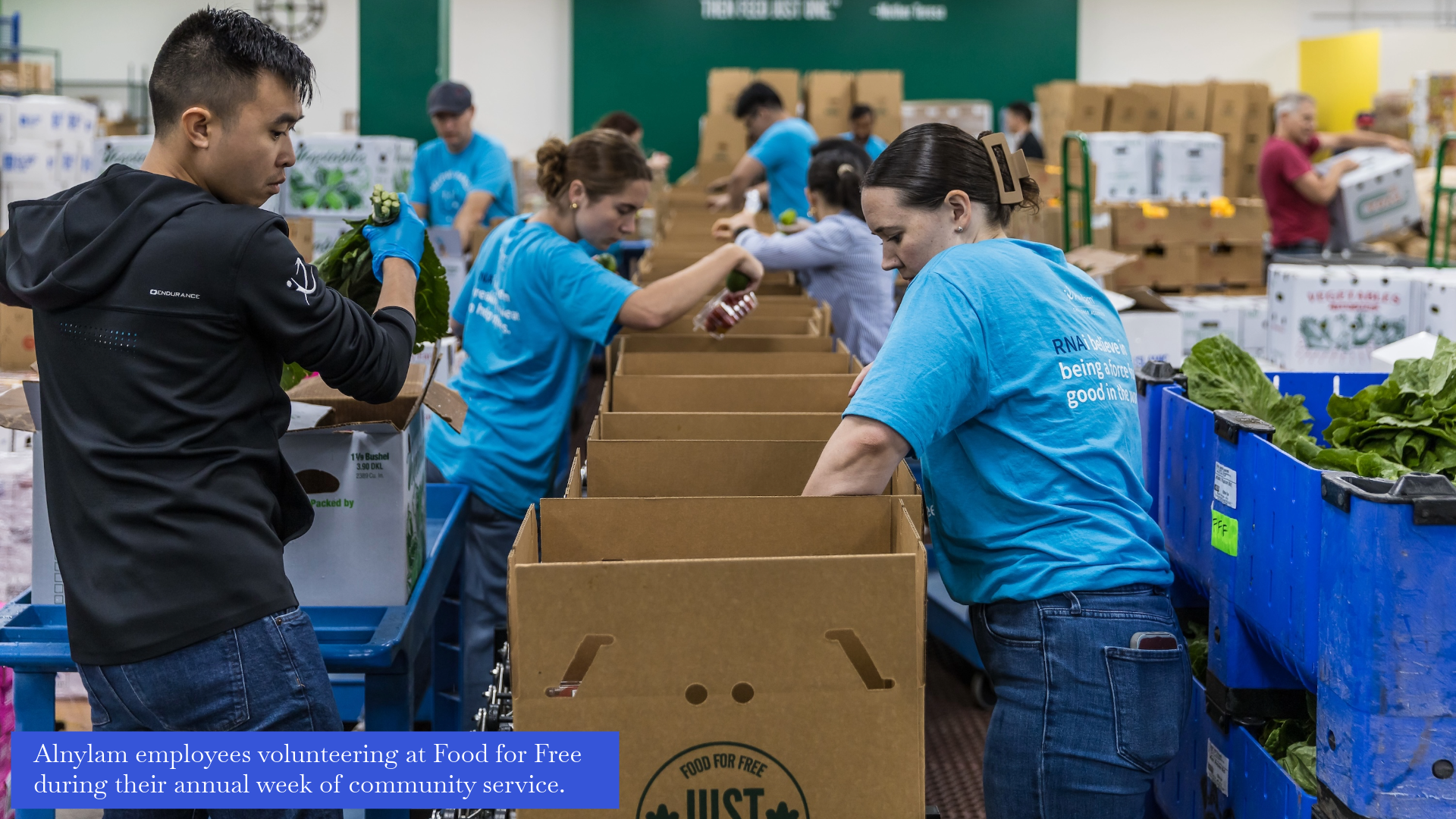
Alnylam offers skill-based volunteering, opens its spaces for community meetings, and treats civic engagement as part of how the company shows up. The company also looks for ways its R&D ethos can inform its giving. Arun points to CCF’s Imagined in Cambridge! Social Innovation Awards, which provide seed funding to local innovators, as a meaningful proof point. The parallel to biotech is intuitive: investors believed in Alnylam at an early stage, and now the company wants to back nonprofit ideas with similar conviction. “We can do that for nonprofit innovation too,” Arun says.
Arun is also a vocal advocate for trust-based philanthropy: longer commitments and the runway nonprofits need to deliver. “Trust the expertise of your partners,” he says. “Trust their ability to execute.”
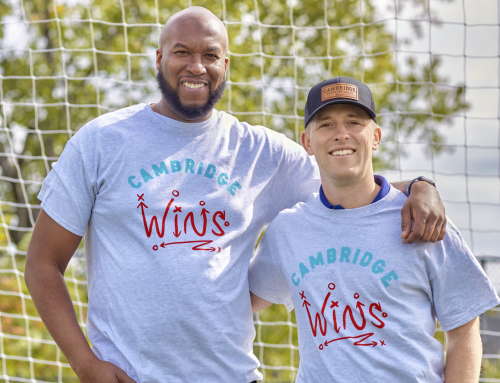
His call to action for fellow Cambridge employers? “Philanthropy is a team sport.”
Alnylam is showing us how.
Learn more about Alnylam’s corporate responsibility efforts.